
Longevity 5 min read Sep 30, 2026
The 5 questions patients ask us most.
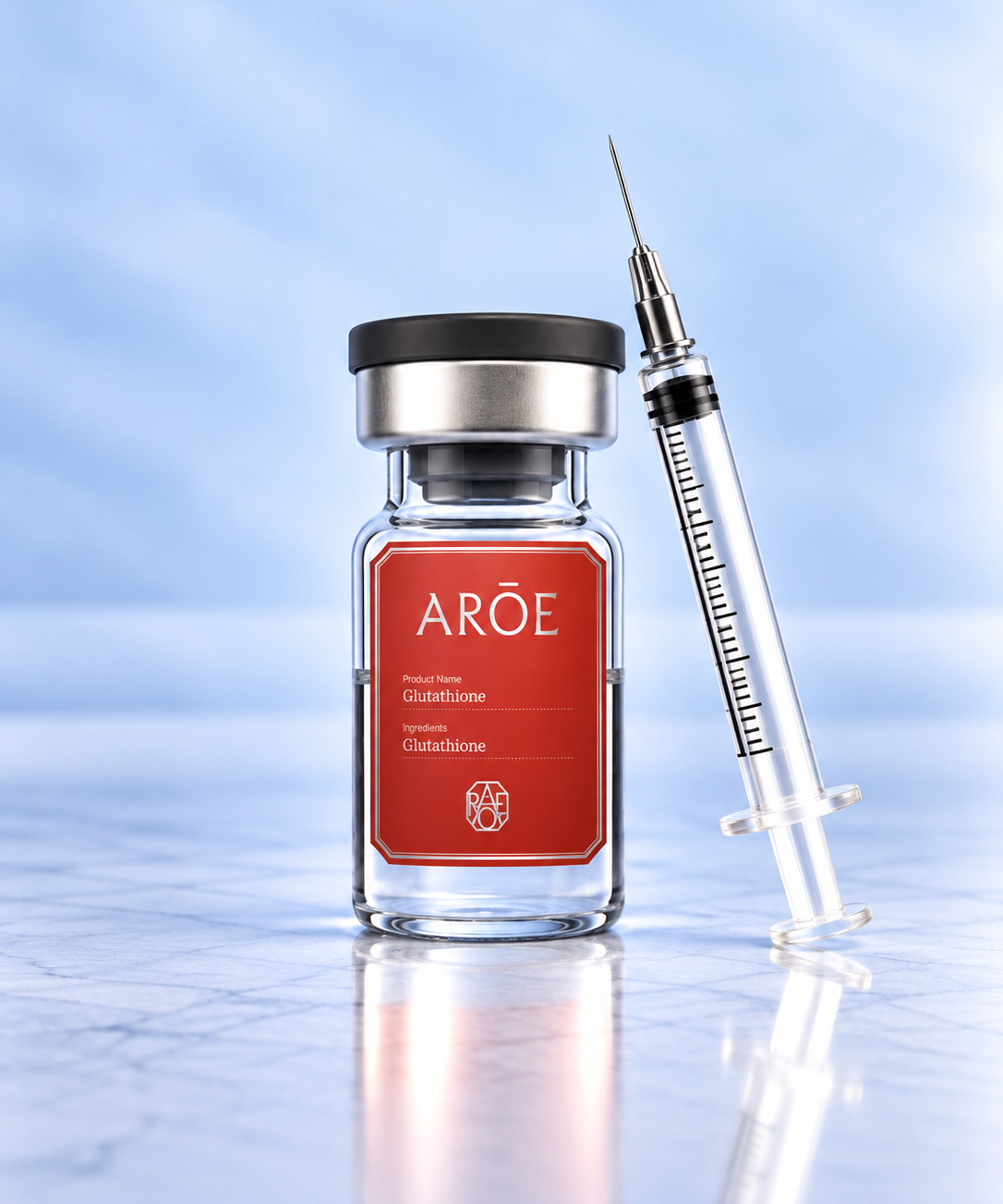
Peptides, IV drips, GLP-1s, NAD+, and the one question that matters more than all of them.
 Lauren HawkinsFounder & CEO · BSB, BSN, RN, CCRN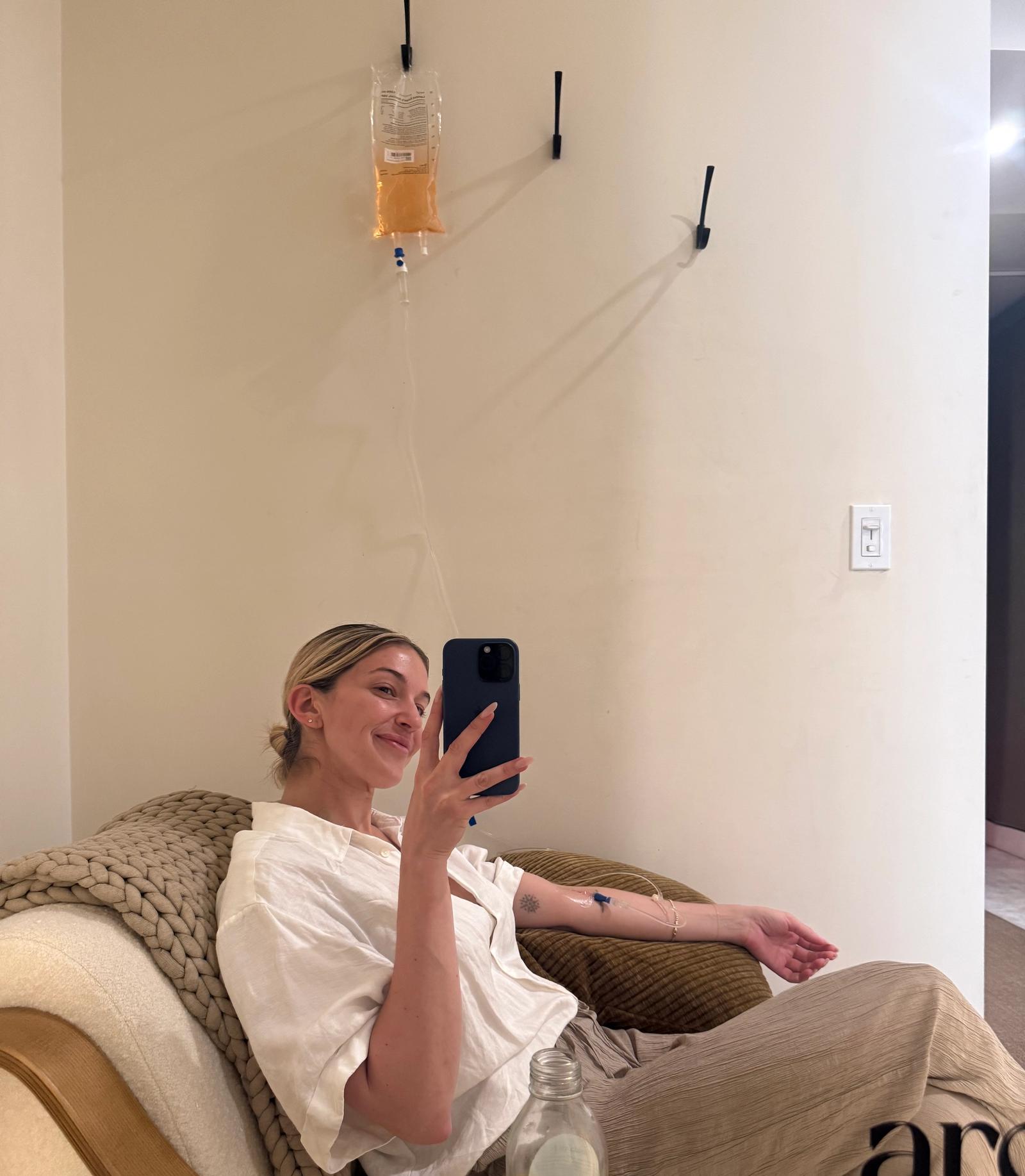
We've seen the same handful of questions coming through our door week after week, so we thought we would share them here, because if our patients are asking them, you are probably too. Here are the five we hear most.
1. What are peptides and how do they actually work?
A peptide is a short chain of amino acids. Amino acids are the building blocks of proteins, so a peptide is essentially a small, specific protein fragment. Your body already makes thousands of them, and they act like signaling molecules. They are messengers. Each one carries a specific instruction to a specific kind of cell.
That is the whole reason peptides are therapeutically interesting. Instead of a broad, sledgehammer effect, a well-chosen peptide can deliver a targeted signal. Repair this tissue. Ramp up this system. Calm down this process.
The honest caveat: the science is genuinely exciting, and it is also early. Some peptides already have real clinical data behind them. Others are promising on paper, but the human evidence is not there yet.
Where the risk actually lies with peptides is in the quality and sourcing of the product. The regulatory environment is still evolving, and the FDA is actively reviewing the category.
2. Do IV drips really work, or is it placebo?
We love this question because it is appropriately skeptical. The honest answer is that IVs are always doing something. The question is what you are using them for.
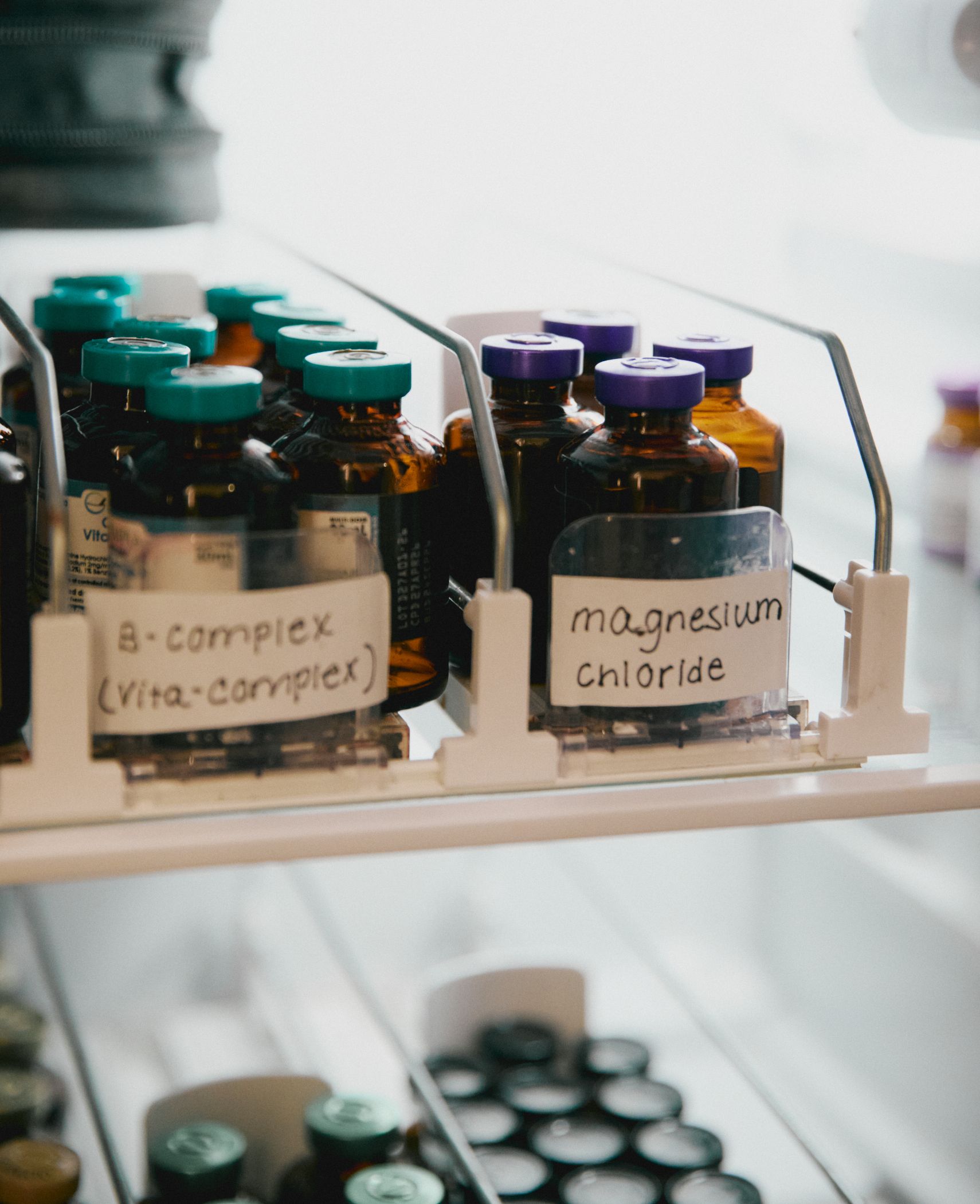
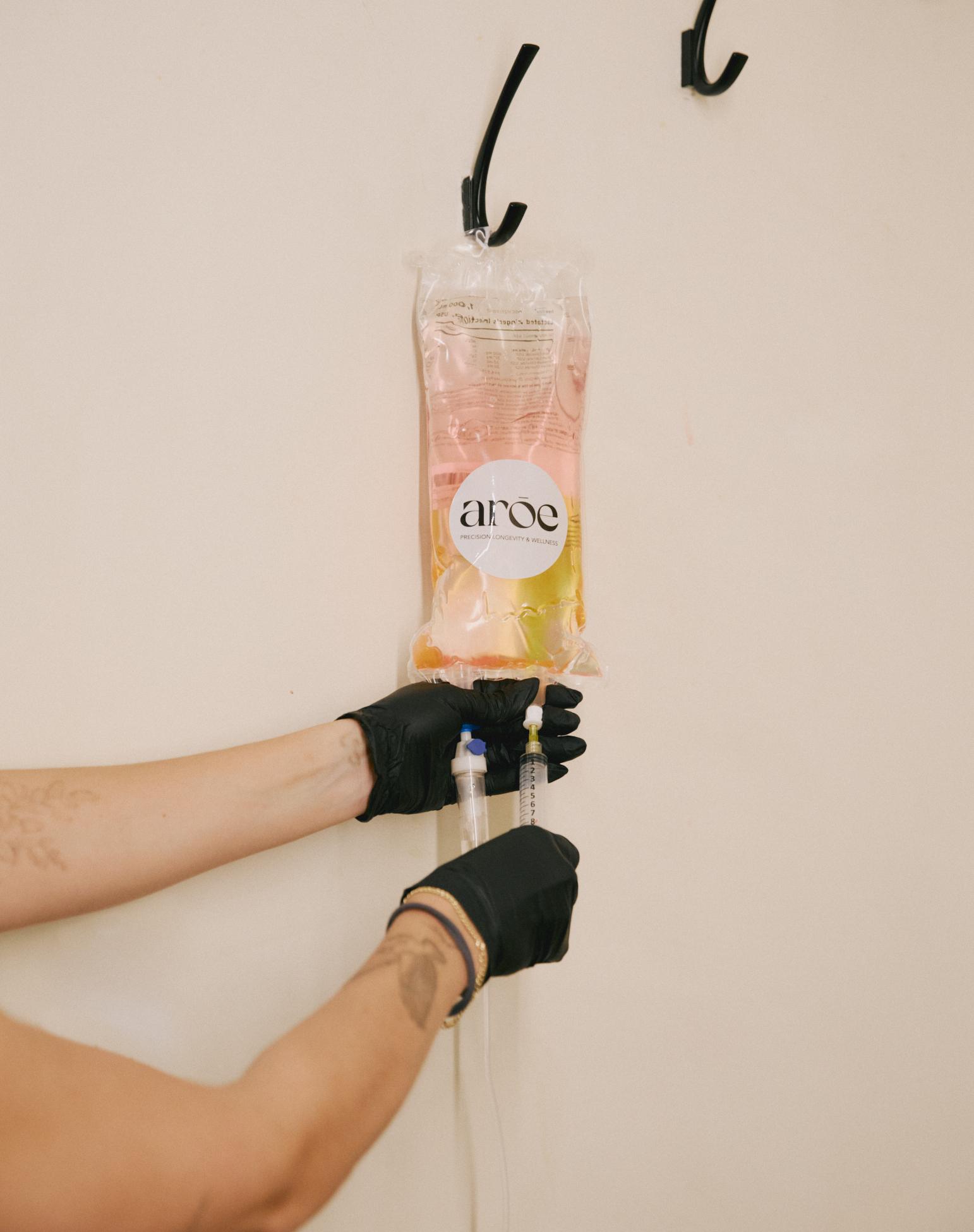
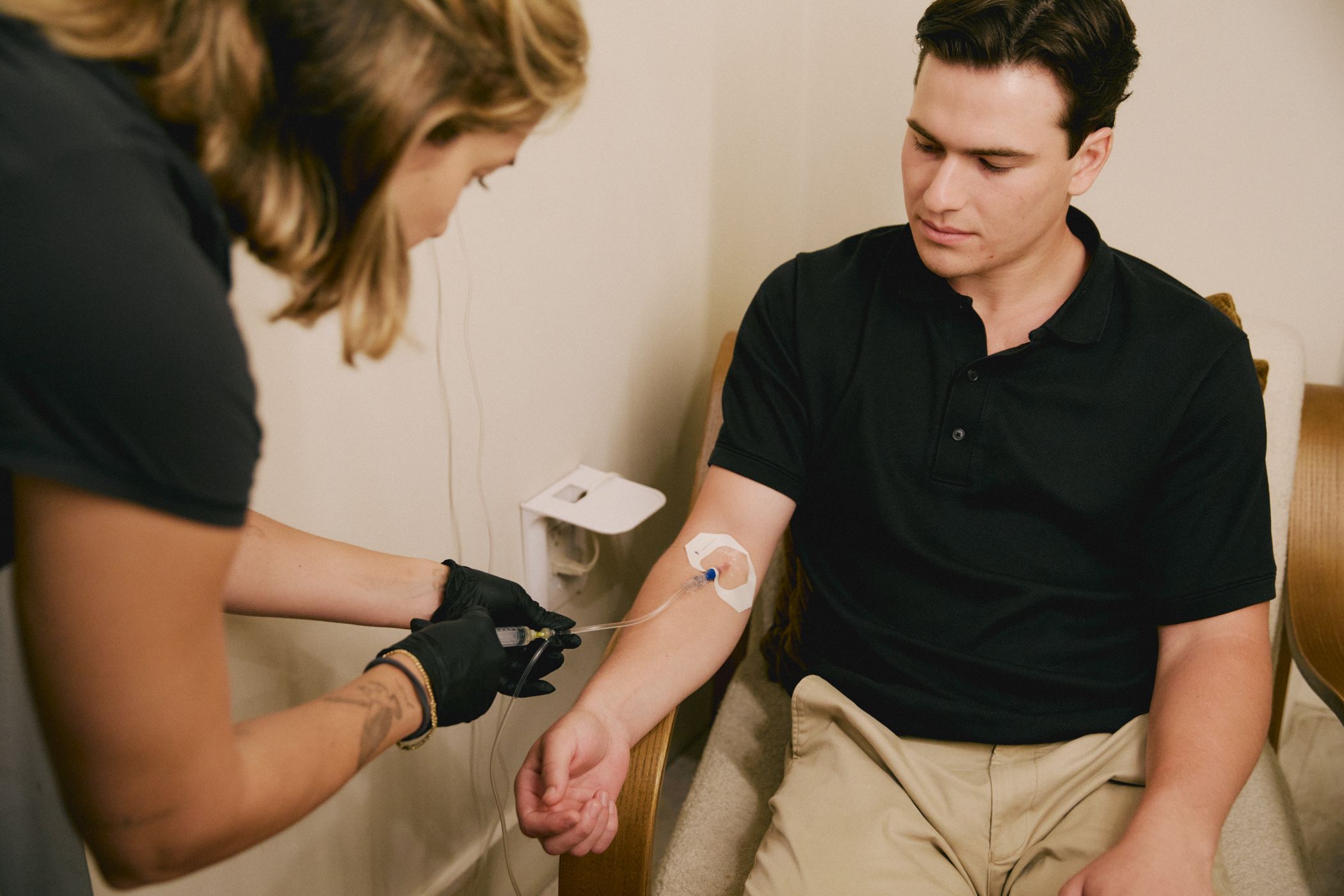
IV therapy bypasses your digestive system and delivers fluids, electrolytes, or nutrients directly into your bloodstream, so close to 100 percent of what is in the bag becomes available to your body. That is not placebo. It is how IV administration works, and it is why hospitals use it.
IVs have a real use case across the whole spectrum, from prevention to reaction. When someone is severely dehydrated or in something like septic shock, IV therapy is doing real, sometimes life-saving work. The same route of delivery, used gently and proactively, is what supports everyday function and recovery. Getting fluids, electrolytes, and nutrients into a body that is not getting what it needs from food and environment alone (which most of us aren't, given our current food and environment). That is part of the reason they matter.
IVs are a tool that can make a real difference. The skill is in matching the right drip to the right person for the right reason.
3. Are GLP-1s only for weight loss?
No, and this is one of the biggest misconceptions we correct in the clinic.
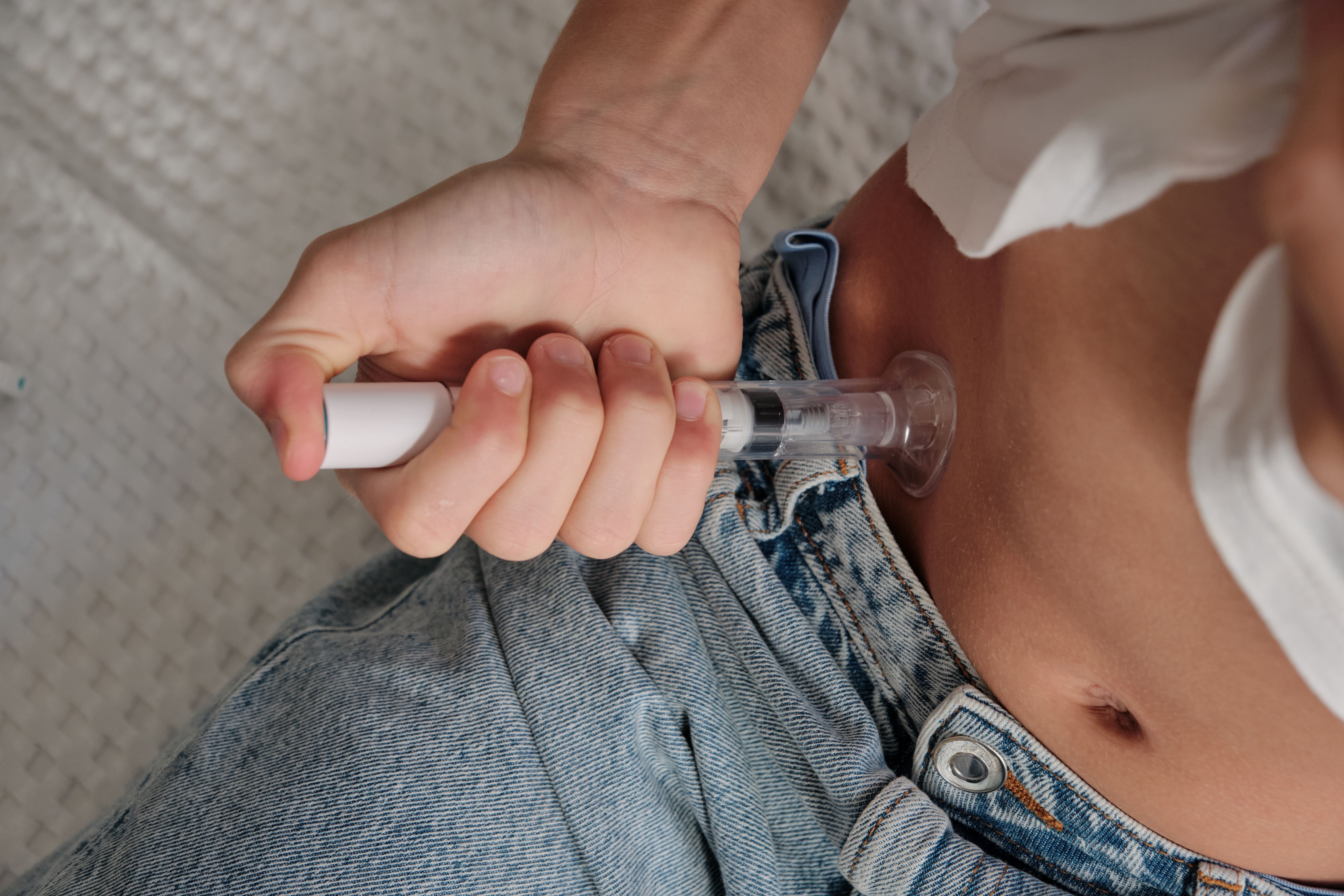
GLP-1 is a hormone your body produces naturally. The medications in this class mimic it. Yes, they are famous for weight loss, because they slow gastric emptying and reduce appetite. But that is only part of what they do.
GLP-1 receptor agonists were originally developed for type 2 diabetes because they improve blood sugar regulation and insulin sensitivity. The research is now expanding fast into cardiovascular benefit, inflammation, and active investigation into effects on the brain and addiction pathways. The weight loss is real, but framing these purely as "skinny shots" misses that they are metabolic medications with broad systemic effects.
What matters is that GLP-1 use is intentional and monitored. The version that worries us is the one with no clinical oversight, no labs, and no plan. The version that works is the one where someone is managing the whole picture with you. A large number of people will end up on a GLP-1 long term, not for weight, but for everything else it does.
4. What is the difference between oral, injectable, and IV NAD+?
The short version: you cannot meaningfully raise NAD+ by swallowing NAD+ itself, so oral products use precursors like NMN or NR that your body converts on the inside. Useful for holding a baseline, limited in how high they can take you.
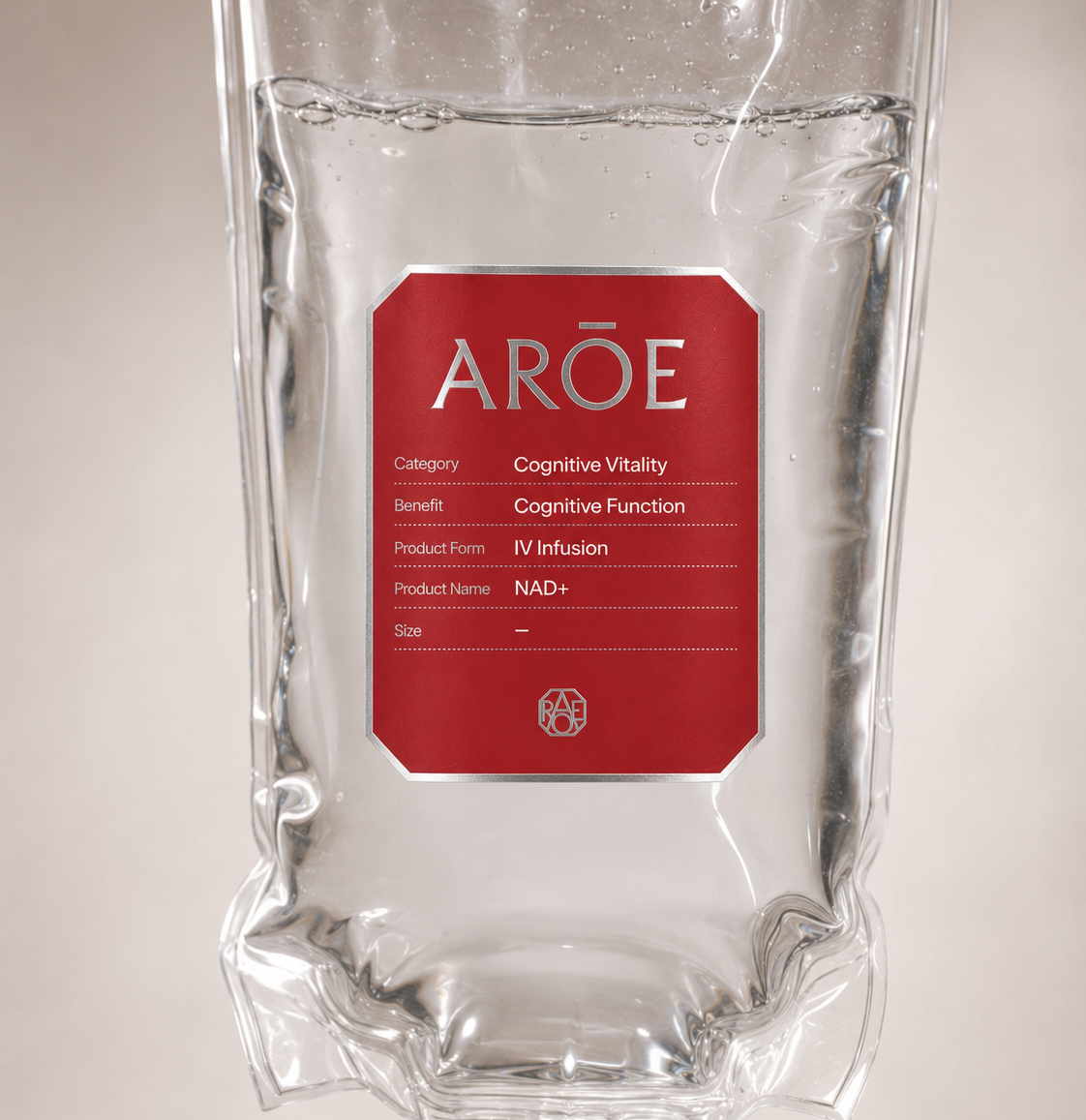
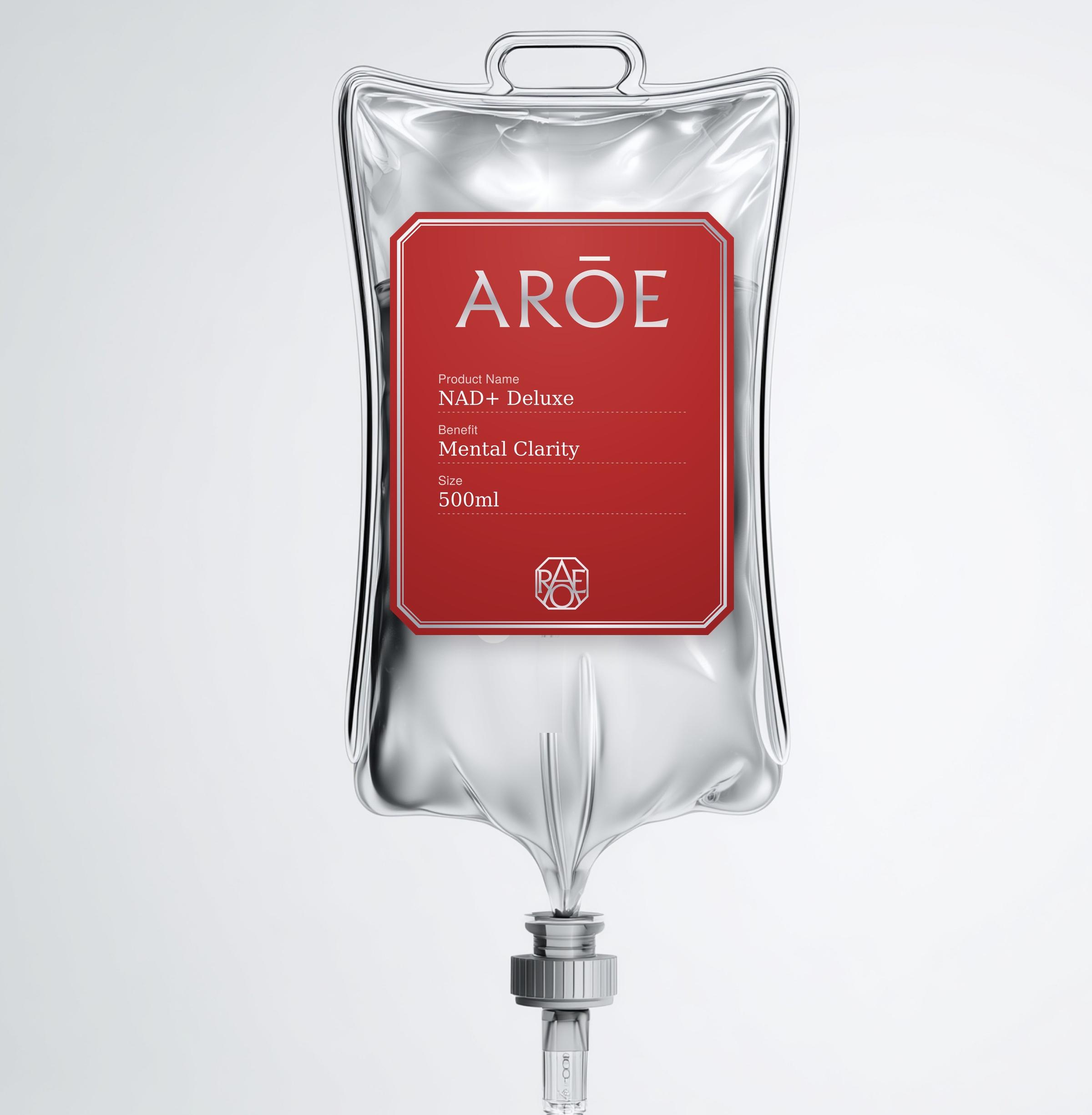
Injectable and IV NAD+ deliver the molecule directly and reach levels oral simply cannot. The high-dose infusion is a bolus, and part of a loading dose protocol. It floods the system and drives cellular repair harder than a maintenance dose ever could. The injections handle the steady, comfortable maintenance in between.
The uncomfortable sensations during a high-dose infusion (chest pressure, flushing, sometimes nausea) are tied to the rate of the infusion, not damage being done. Slow the drip down and the symptoms ease. It is uncomfortable during, and it resolves.
In practice, we combine them. The infusions act as the loading and reset events, and the injections range from 50mg to 200mg to handle steady maintenance in between. The right doses and cadence depend on the person and their goals, but the logic is always the same. Use the infusion to get levels high and drive the deeper cellular work, then use the injections to hold them there.
5. What are the most important things I can do for my health and longevity, and when do I start?
The most important question of all of them, and the one we wish more people led with.
It comes down to the basics, and there is no getting around them. Sleep. Protein and strength. Movement, daily and varied. Metabolic health, which means knowing your actual numbers rather than guessing. Your relationships and your stress load, which affect your physiology as much as anything you can inject.
Advanced tools (including peptides, GLP-1s, and infusions) work in conjunction with that foundation. They do not replace it. None of them will solve your problems on their own. What they do is work alongside the fundamentals to create an outcome that is sustainable and actually moves the needle.
And when do you start? Now. Not when you feel old. Not when something breaks. The entire premise of a longevity practice is that the best time to intervene is decades before you think you need to. Prevention compounds. The 40-year-old who starts today is buying a different 70 than the one who waits until something goes wrong.
The single best day to start was years ago. The second best is today.
Editorial disclosure
Editorial content is general information, not medical advice, and is not intended to diagnose, treat, cure, or prevent any disease. Prescription treatments are available only where a licensed clinician determines they are appropriate. Eligibility varies by state.