
Longevity 4 min read Sep 30, 2026
What most NMN brands are not telling you.
On dosing, delivery, and the gap between the clinical studies and what you are actually buying.
 Lauren HawkinsFounder & CEO · BSB, BSN, RN, CCRN
NMN has become one of the most heavily marketed supplements in the wellness category. Every bottle promises the benefits from the trials. Very few of them are dosed anywhere close to what the trials actually studied.
Which is worth walking through, because this is a category where the science is real, the dose matters more than almost anyone will tell you, and most of what is on the shelf right now is priced for premium and dosed for placebo.
The first thing almost no one selling this will tell you
You cannot meaningfully raise your NAD+ levels by swallowing NAD+.
The molecule is too large and too fragile to survive digestion and get into your cells intact. That is why credible oral products do not sell you NAD+ at all. They sell you a precursor, usually NMN or NR, that your body converts into NAD+ on the inside. If you see a product on the shelf labeled "oral NAD+," it is not doing what the label implies.
The whole game is not what the front of the bottle says. It is whether the precursor inside is dosed and delivered in a way your body can actually use.
The dose the studies actually used
In 2022, Yi and colleagues published the landmark dose-dependent NMN trial in GeroScience. Eighty healthy middle-aged adults, randomized, double-blind, placebo-controlled. Four groups: placebo, 300mg, 600mg, and 900mg of NMN daily for 60 days.
The findings, in plain language:
- All doses raised blood NAD+ levels compared to placebo
- 600mg and 900mg raised levels significantly higher than 300mg
- Only the 600mg and 900mg groups saw clinically meaningful improvements in physical performance and self-reported health
- 300mg produced biomarker changes but not consistent functional improvements
The dose that actually moves the needle in humans is at least 600mg, and ideally closer to 900mg per day.
Now go look at the labels on your favorite NMN product. Most of the trending products are dosed at 150mg, 200mg, or 500mg per capsule, with a recommendation of one or two capsules a day. If you are taking 250mg once a day and expecting the results from the 900mg trial, you are taking roughly a quarter of the clinical dose. You are paying premium prices for sub-clinical dosing.
Underdosing in this category is not an accident. It is a margin strategy.
Delivery is the part nobody talks about
Even if the dose is right, the form has to actually get into your cells. This is where most consumers and most influencers get lost.
Oral capsule NMN is the most common format. It is also the least efficient. Capsules sit in the stomach and pass through the digestive tract, where NMN is exposed to enzymes that degrade it before it can be absorbed.
Sublingual powder is significantly better. Held under the tongue, NMN bypasses first-pass digestion and absorbs directly through the mucosal tissue. You get more of what you pay for.
Liposomal NMN wraps the molecule in fat-like particles designed to improve cellular uptake. The data is early but promising. One small study showed liposomal NMN produced an 84 percent increase in NAD+ levels at lower doses than standard NMN.
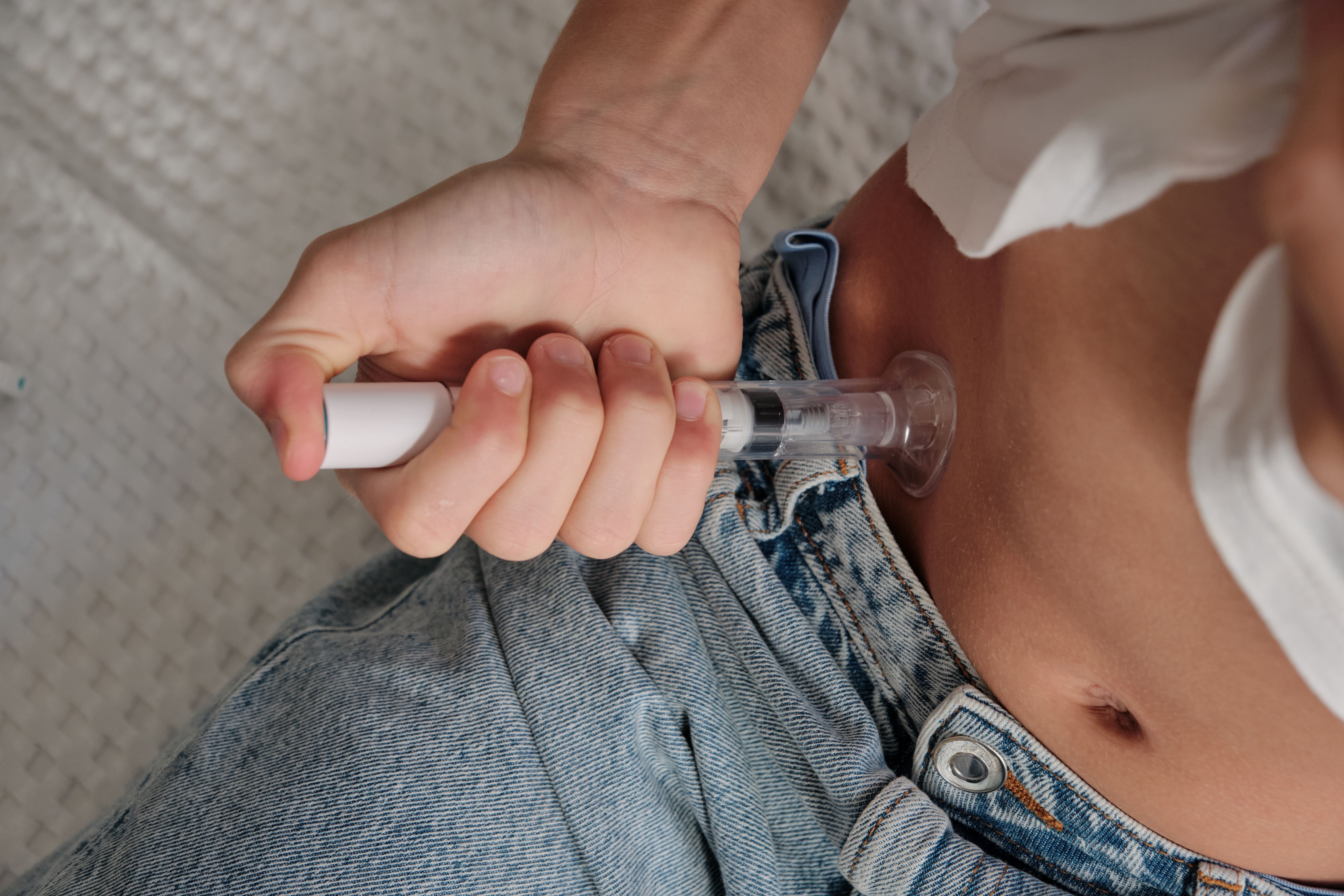
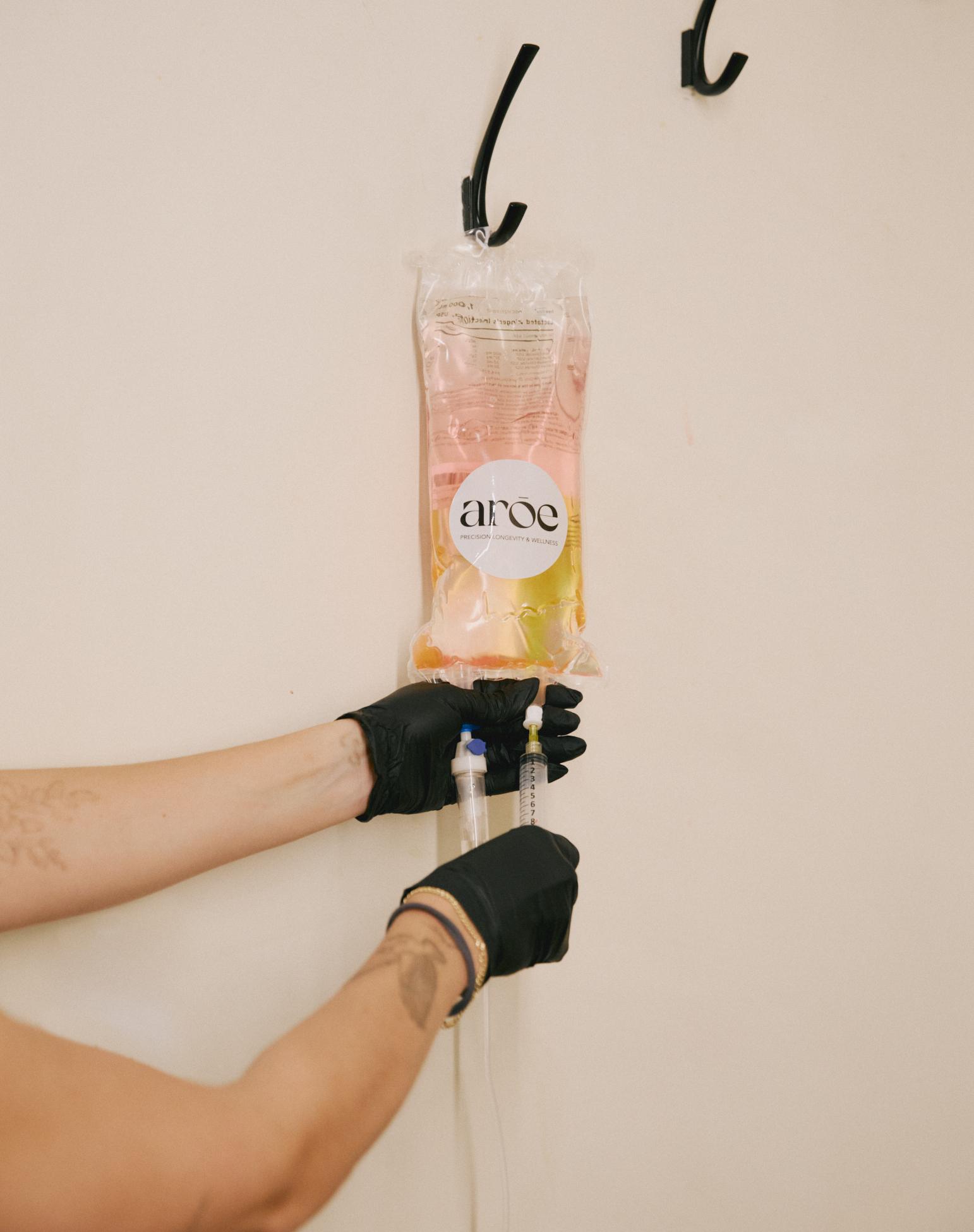
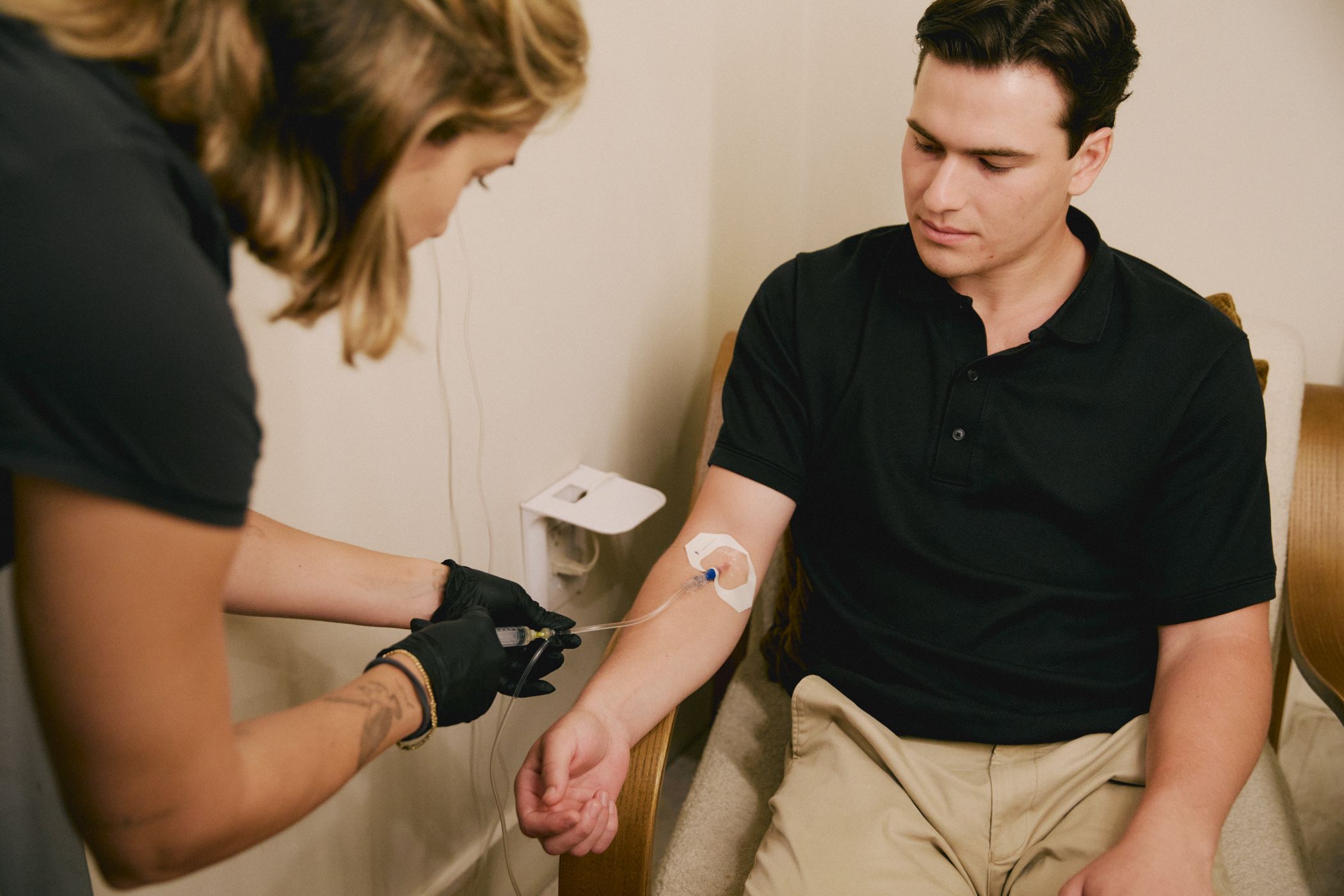
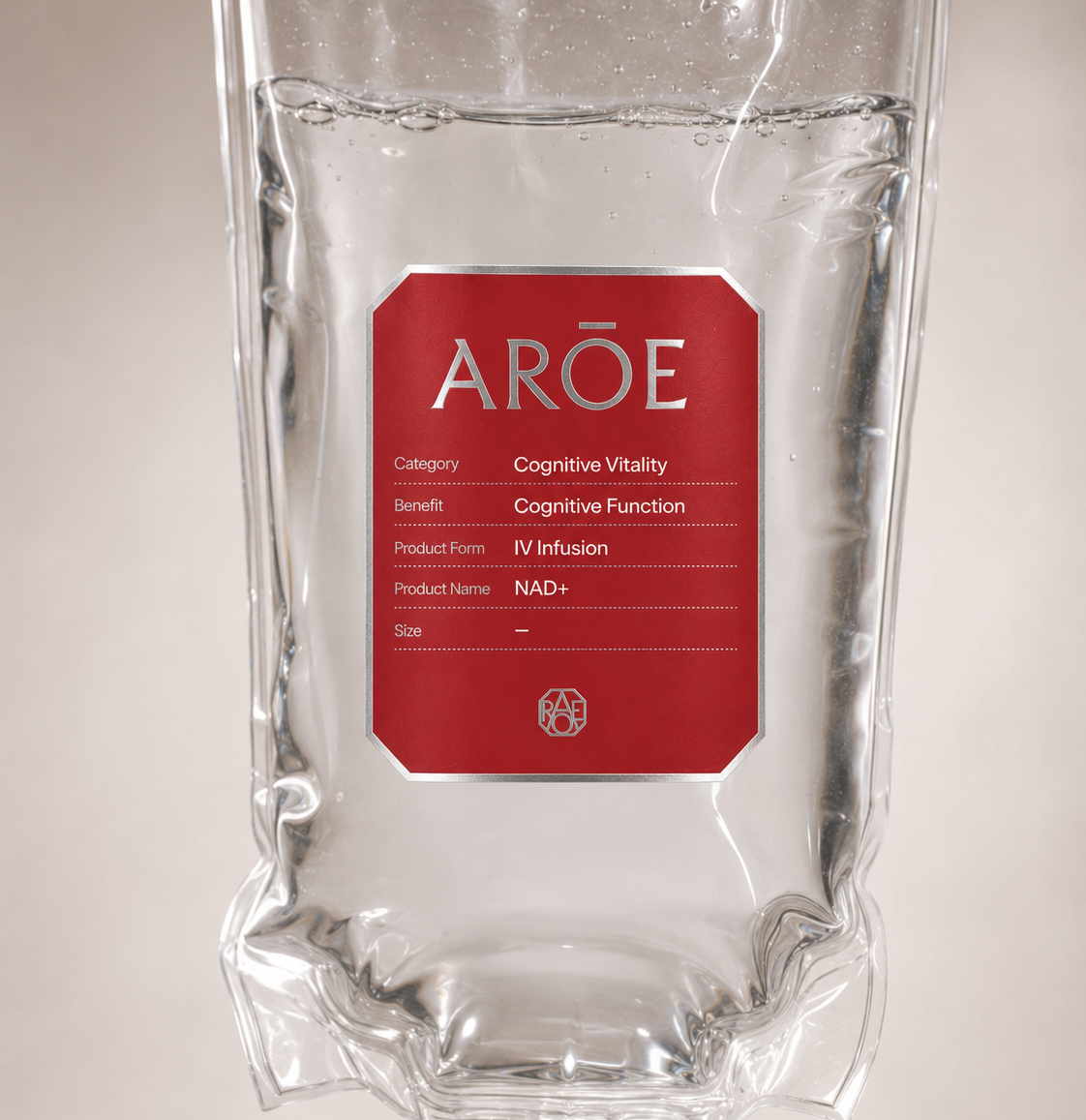
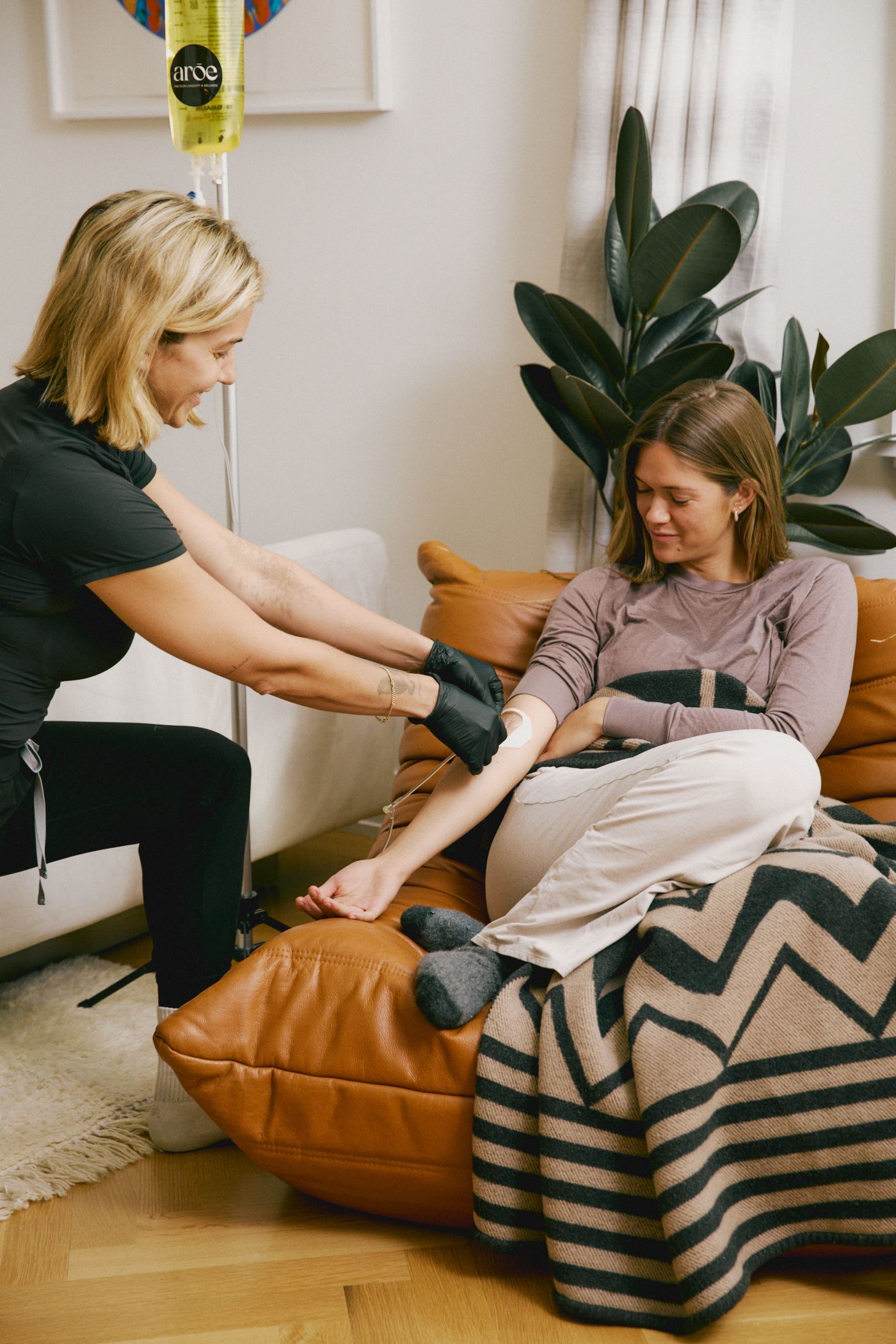
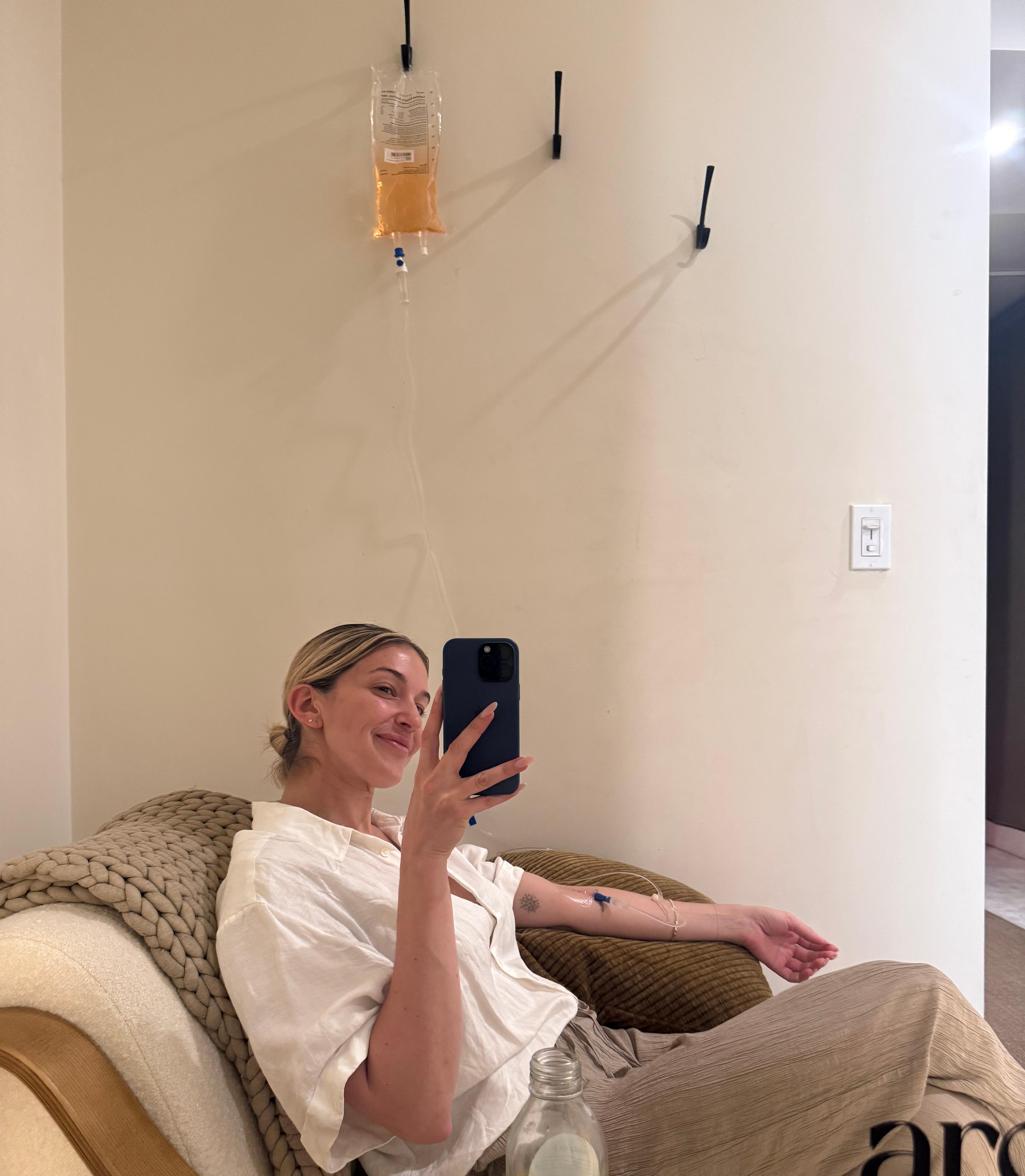
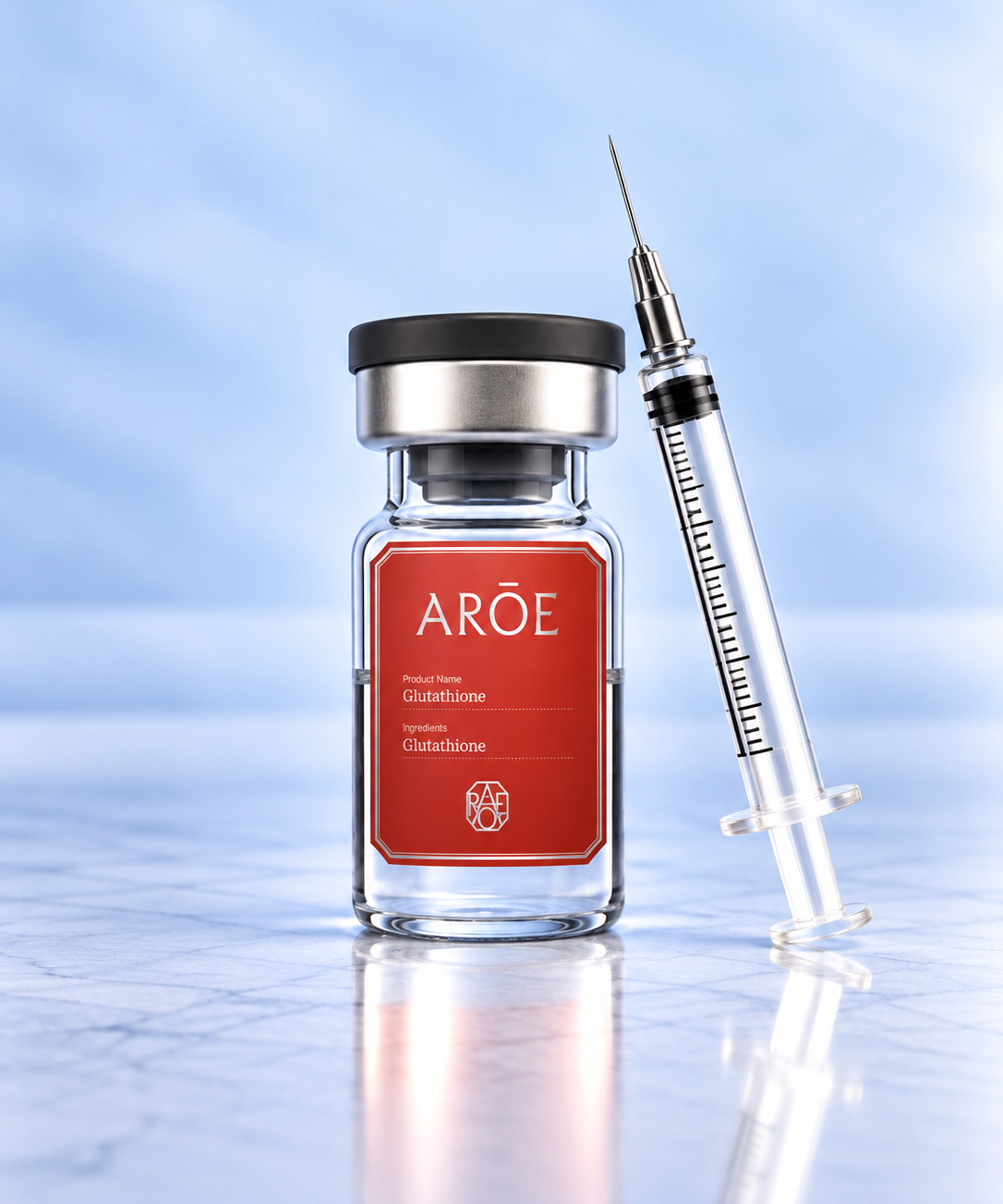
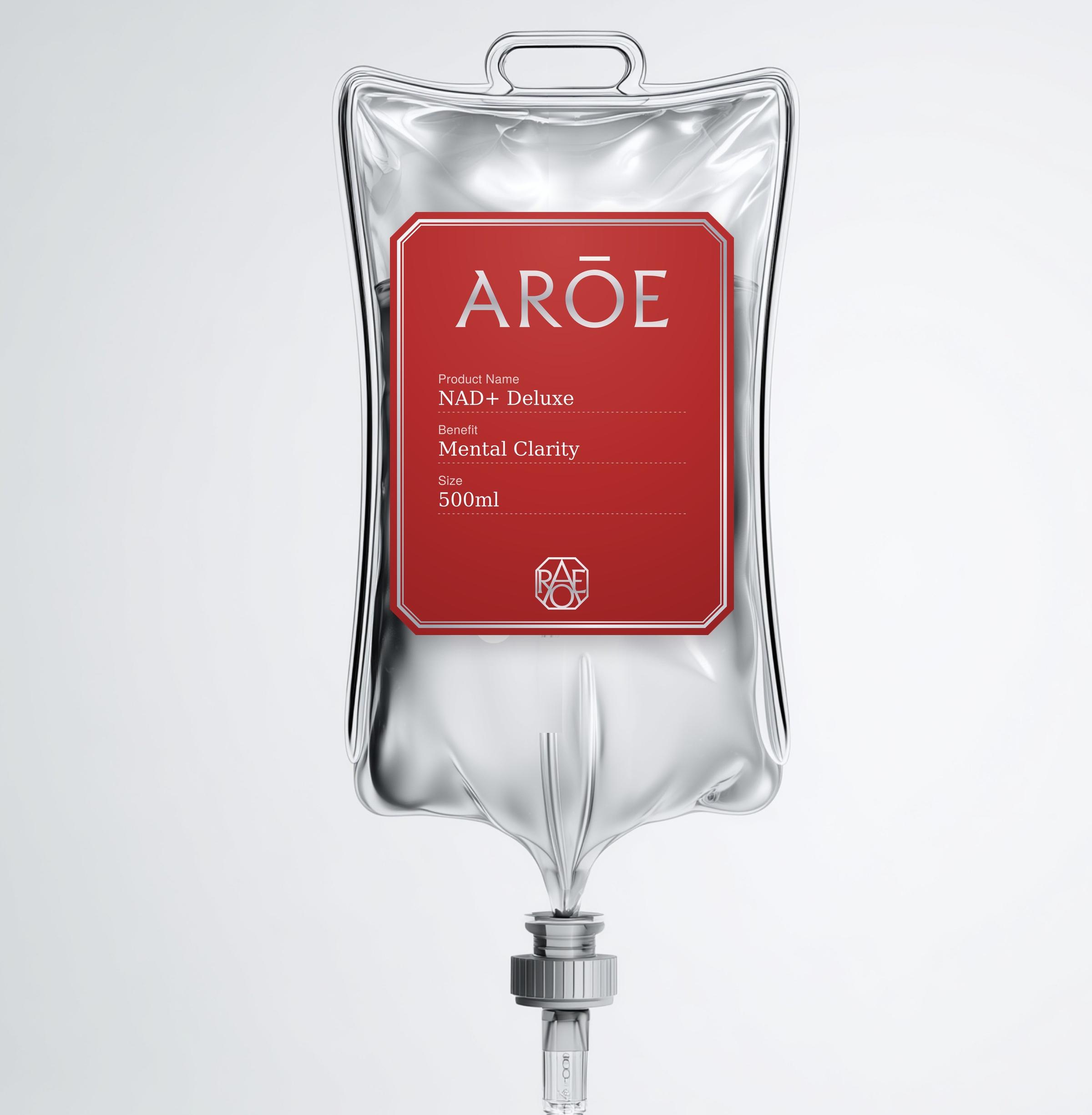
IV or injectable NAD+ is a different conversation entirely. This is what we do in clinic. Delivered directly into the bloodstream, the doses are orders of magnitude higher than anything you can achieve orally, and the clinical effects are correspondingly more pronounced. IV and injectable NAD+ are not interchangeable with oral NMN. Anyone marketing them as equivalent is selling a story.
The strongest longevity protocols combine the two: oral precursors to hold a consistent baseline, and IV or injectable NAD+ to drive levels higher than oral ever could. Consistent and elevated, not one or the other.
How to read an NMN label
If you are going to buy one, here is what to look at.
- The actual dose per serving. Not "per bottle." Not "per recommended use." The dose in one capsule or scoop, multiplied by how many you would need to hit 600 to 900mg.
- Third-party testing with a current Certificate of Analysis. Not "GMP certified" alone. An actual COA from an independent lab, dated within the last year, that you can ask to see. A brand with nothing to hide will send it within 24 hours.
- Purity percentage. 99 percent or higher is the standard. Anything lower is being padded with something else.
- Storage requirements. NMN is heat-sensitive. Quality manufacturers cold-store the product through the entire supply chain. If your bottle has been sitting in a warm warehouse for six months, you have degraded product.
- Form. Sublingual powder beats capsule for absorption. Capsule beats nothing. Look at the delivery method, not just the dose.
If a brand cannot or will not answer these five questions, you have your answer.
On the label problem
In 2021, an analysis of the top NMN brands on Amazon found that most failed to meet their label claims. Some contained little to no actual NMN. That study is a few years old. The brands have changed. The pattern has not.
The category is still in the buyer-beware window that follows any big regulatory shift. The brands that survive will be the ones that publish their COAs, dose at clinical levels, and tell the truth about what NMN can and cannot do.
What NMN actually is
NMN is not a miracle. It is not going to reverse your age. It is a well-studied precursor to NAD+ that, taken at the right dose in the right form, reliably increases NAD+ levels and shows modest but real improvements in physical performance and self-reported wellbeing.
That is a meaningful intervention. It is also far less dramatic than your algorithm would have you believe.
Read the label. Check the dose. Ask for the Certificate of Analysis. If they refuse, they are telling you everything you need to know.
Editorial disclosure
Editorial content is general information, not medical advice, and is not intended to diagnose, treat, cure, or prevent any disease. Prescription treatments are available only where a licensed clinician determines they are appropriate. Eligibility varies by state.