
Hormone Replacement Therapy Oct 13, 2026
Signs of low estrogen in women: Symptoms, causes, tests, and treatment.
Hot flashes, cycle changes, brain fog, or vaginal dryness? Learn which signs can point to low estrogen levels, possible causes, and when to get checked.
 Lauren HawkinsFounder & CEO · BSB, BSN, RN, CCRN
Signs of Low Estrogen in Women
Key takeaways
- Low estrogen usually shows up as hot flashes, broken sleep, vaginal dryness, mood swings, brain fog, and irregular periods.
- The average age of menopause in the US is 52, and the transition before it runs two to eight years.
- Symptoms alone can't confirm low estrogen. Thyroid problems are sometimes mistaken for menopause.
- For healthy women over 45, a blood test is often unnecessary, because hormone levels swing too much for one reading to mean much.
- Testing matters most when symptoms start early, periods stop before 40, or the pattern is unusual.
One symptom is easy to dismiss. Several changes at once tell you more.
Maybe your periods have become less predictable at the same time that sleep feels different. Or hot flashes have appeared alongside vaginal dryness, mood swings, or trouble concentrating. Estrogen plays a role across several body systems, lower or fluctuating levels can create a pattern of symptoms that initially seem unrelated.
That pattern still doesn't automatically mean your estrogen is low. Similar symptoms have other causes, and what they mean depends partly on your age, menstrual cycle, health history, and when the changes began.
Knowing which signs tend to occur together helps you decide what's worth raising with a clinician, and whether women's hormone support or additional testing could help you find relief.
What are the signs of low estrogen in women?
Low estrogen doesn't always show up as one obvious symptom. The signs and symptoms of low estrogen in women can appear across your cycle, sleep, mood, vaginal comfort, and urinary health, sometimes around the same time.
A single symptom can't tell you whether estrogen is the cause. But seeing how several changes appear together, and how they relate to your menstrual cycle or stage of life, gives you and your clinician useful context.
1. Hot flashes, night sweats, and broken sleep
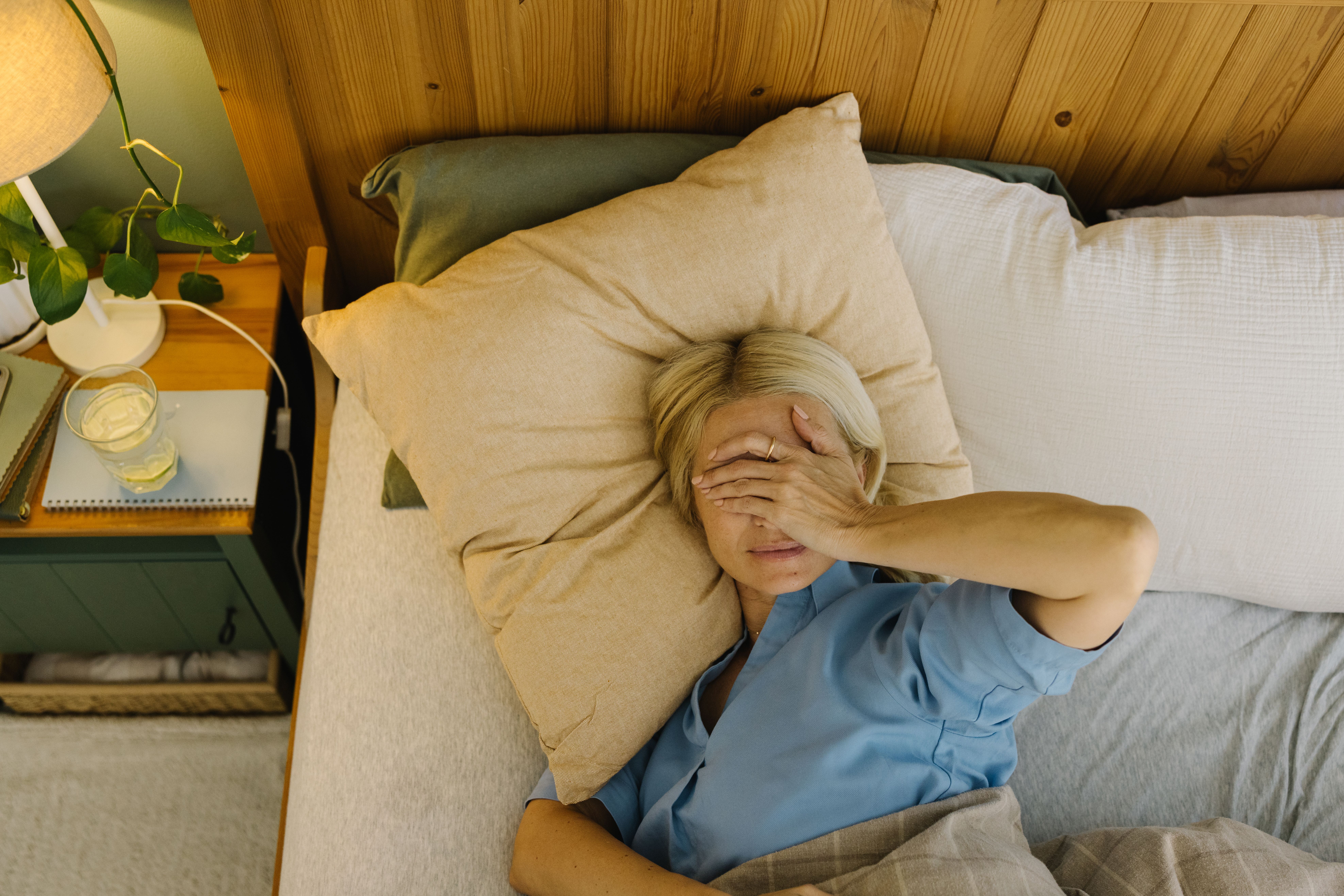
Hot flashes are sudden waves of heat, often felt across the face, neck, and chest. They typically last one to five minutes and may be followed by chills or feelings of anxiety.
They're closely associated with the menopause transition, although researchers still don't fully understand why they're so common.
At night, they can interrupt sleep. Over time, poor sleep can affect energy, mood, and concentration, which is part of why several symptoms can start to feel connected.
2. Changes in vaginal and urinary health
Estrogen helps keep vaginal tissue healthy, elastic, and lubricated. As estrogen levels fall, that tissue can become thinner and drier, leading to irritation or discomfort during sex.
Lower estrogen can also affect the urinary tract. You may notice increased urgency, frequency, or recurrent infections.
There are treatments that can help with these symptoms. If they're affecting your comfort, sex life, or daily routine, they're worth bringing up with a clinician.
3. Mood changes, brain fog, and low energy
Mood can shift during perimenopause and menopause too. The risk of depression and anxiety increases during this time, and changing hormones, disrupted sleep, and other symptoms can all play a role.
Some women notice more irritability, difficulty concentrating, or forgetfulness. As many as two-thirds of women in perimenopause report memory or focus problems. Poor sleep can also leave you feeling more tired during the day.
Mood and cognitive changes have many possible causes, so they don't point to low estrogen on their own. When they appear alongside changes in your cycle, sleep, or other symptoms, they're useful to discuss as part of the larger picture.
4. Irregular periods and cycle changes
Your menstrual cycle depends on changing levels of estrogen and progesterone. During perimenopause, those hormone patterns become less predictable, so periods may become shorter, longer, heavier, lighter, or skip altogether.
For many women, cycle changes are one of the first noticeable signs of the transition. Keeping a simple record of your cycle, bleeding, and any symptoms that appear alongside them gives your clinician a clearer picture of what's been changing over time.
What causes low estrogen?
Low estrogen can happen for different reasons, and age is an important clue to what may be driving it.
Perimenopause and natural menopause
After 40, the most common cause is the gradual decline in ovarian function leading up to menopause. In the US, the average age is 52, and the transition leading up to menopause usually lasts two to eight years.
Estrogen doesn't fall steadily during perimenopause. Levels fluctuate, which is why symptoms can feel stronger at some times and quieter at others.
Signs of low estrogen in young women
Before 40, low estrogen needs a closer look rather than being assumed to be early menopause.
One possible cause is functional hypothalamic amenorrhea, where low energy intake, heavy exercise, or prolonged stress interferes with the hormonal signals that support ovulation. Because it's a diagnosis of exclusion, other causes need to be ruled out first.
Another is primary ovarian insufficiency, where the ovaries stop functioning normally before age 40.
Low estrogen can also follow surgical removal of the ovaries or occur with certain medications.
If you're under 40 and your previously regular periods become irregular or stop, it's worth discussing with a clinician rather than waiting for them to return on their own.
How is low estrogen diagnosed?
There isn't one test that tells the whole story for everyone.
For otherwise healthy women over 45 with typical symptoms, hormone blood tests are often unnecessary. They're not usually recommended without a medical reason because hormone levels can rise and fall unpredictably through the transition. One reading may tell you very little about the overall pattern.
Your symptoms, cycle changes, age, and health history often provide more useful context.
Testing may be helpful when:
- Symptoms or cycle changes start earlier than expected
- Periods stop before age 40
- The pattern is unusual or unclear
- A clinician needs to investigate another possible cause
Depending on the situation, that workup might include estradiol, FSH, LH, thyroid markers, prolactin, a complete blood count, or iron testing. Thyroid markers are included because the symptoms of thyroid problems are sometimes mistaken for menopause, while iron deficiency can also contribute to fatigue.
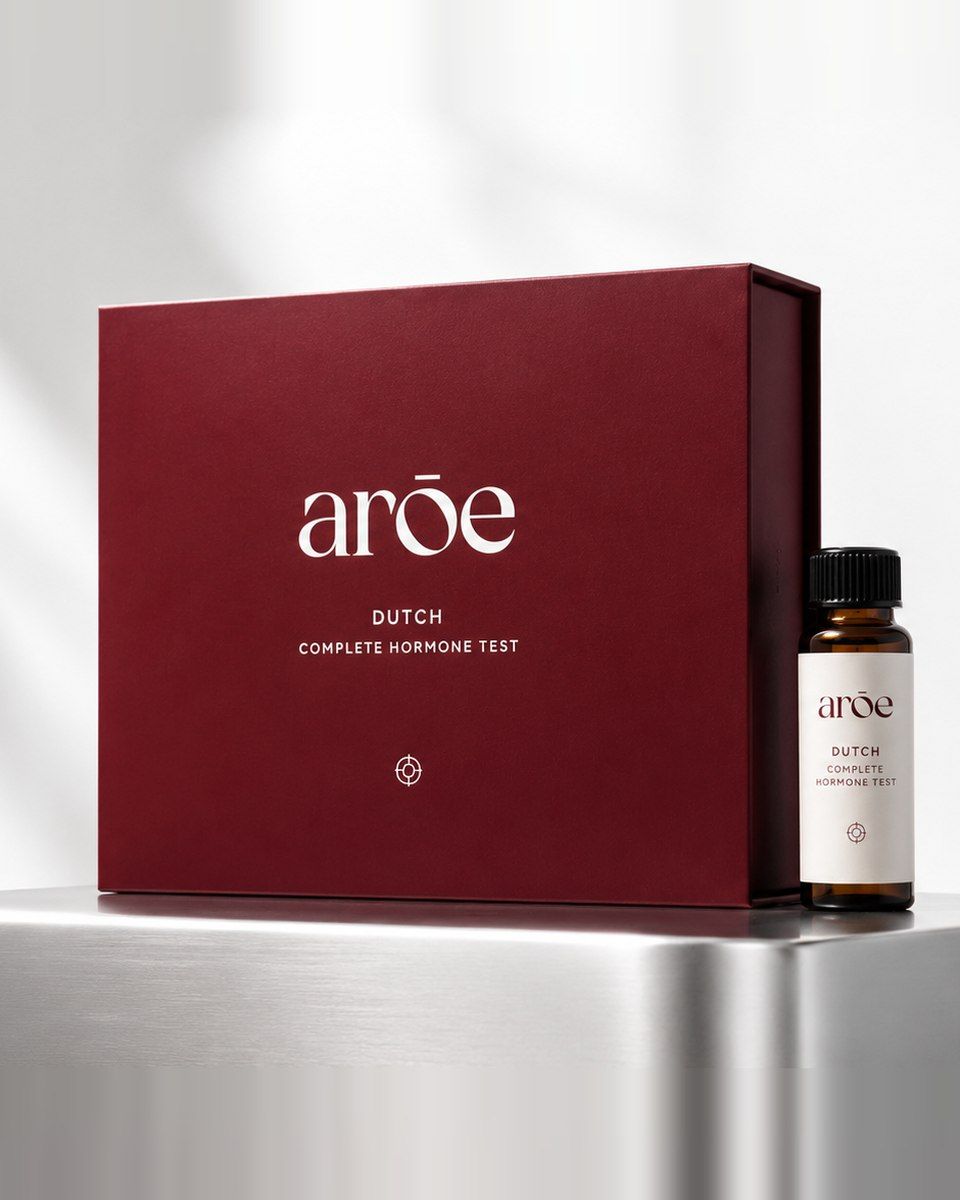
At Arōe, we use advanced hormone testing when a clinician believes it will add useful context, including when hormone patterns across a cycle matter more than a single snapshot. These tests are one part of the assessment, not a stand-alone way to confirm what's causing your symptoms.
Results are interpreted alongside your age, cycle timing, medications, symptoms, and health history.
Can you raise estrogen levels naturally?
That depends on why your estrogen is low, which is why understanding the cause matters first.
When estrogen declines as part of the menopause transition, food, supplements, and lifestyle changes can't reliably restore ovarian estrogen production to earlier levels.
The picture is different when low estrogen is linked to low energy availability. For functional hypothalamic amenorrhea, the Endocrine Society recommends correcting the energy imbalance through adequate nutrition, increased calorie intake when needed, or reducing excessive exercise. In these cases, addressing the underlying energy imbalance can help restore normal hormonal function.
Healthy habits still have an important role. Strength and resistance training supports bone health, muscle strength, and balance, which become especially important as estrogen levels fall.
Soy, flaxseed, lentils, and chickpeas contain phytoestrogens, plant compounds with weak estrogen-like activity, and can be part of a balanced diet. But evidence that botanical supplements meaningfully ease menopause symptoms is limited.
If you're taking supplements or considering them, let your clinician know. Some can interact with medications or may not be appropriate for everyone.
When should you see a doctor about low estrogen?
You don't need to wait until symptoms become severe. It's worth making an appointment if:
- Symptoms are regularly disrupting your sleep, sex life, or daily routine
- Your periods have changed noticeably or stopped
- You're getting recurrent urinary infections
If you're under 40 and your previously regular periods become irregular or stop, it's especially important to get checked. Conditions such as primary ovarian insufficiency and functional hypothalamic amenorrhea need to be distinguished from the usual menopause transition.
Bring a simple record of your periods, symptoms, medications, supplements, and any recent changes in exercise, nutrition, or stress. It can help your clinician see the pattern more clearly.
Estrogen replacement therapy and other clinical options
Treatment depends on what's causing your symptoms and what you most want to address.
For menopausal hot flashes and night sweats, systemic hormone therapy is the most effective treatment available. Estrogen can be delivered through a patch, gel, spray, or tablet. If you have a uterus, systemic estrogen is usually paired with a progestogen to protect the uterine lining.
If vaginal dryness or urinary symptoms are the main concern, low-dose vaginal estrogen may be considered. It acts mainly on local tissue, with relatively little entering the bloodstream.
You may also see systemic hormone therapy described as estrogen replacement therapy or hormone replacement therapy. It isn't appropriate for everyone. Both estrogen-only and estrogen-plus-progestogen therapy raise stroke risk, while oral hormones carry a higher clot risk. That clot risk may be lower with a transdermal patch, gel, or spray.
A history of breast cancer, heart disease, liver disease, or blood clots can also affect whether hormone therapy is appropriate. Your clinician will weigh those factors alongside your age, symptoms, and treatment goals.
Hormone therapy doesn't prevent memory loss. If brain fog is a concern, it may need its own assessment.
For younger women with primary ovarian insufficiency, treatment goals can be different. Hormone therapy may be used to replace estrogen that would normally be present during those years, not only to relieve symptoms.
How Arōe approaches hormone care
When several things change at once, it's easy to focus on finding one number or one treatment that explains everything. Arōe starts with the full picture.
Our approach follows three steps:
- Assess: Your clinician reviews your symptoms, cycle pattern, health history, goals, and any testing that can answer a specific clinical question.
- Design: From there, we build a plan around what may be driving your symptoms. That could include lifestyle support, monitoring, clinician-prescribed hormone care, or a combination of approaches.
- Support: Hormone needs can change over time, so follow-up and adjustments are part of the plan from the start.
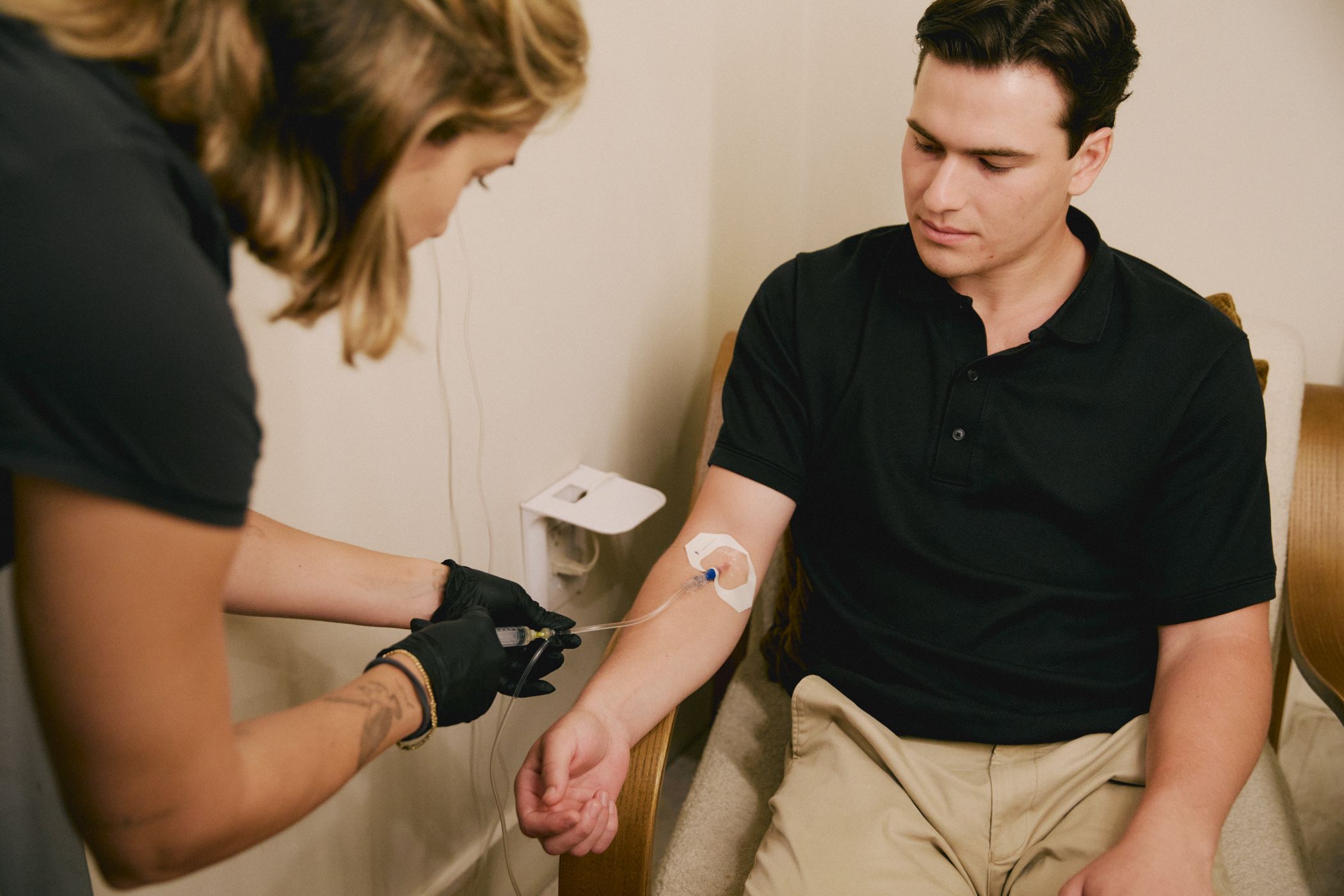
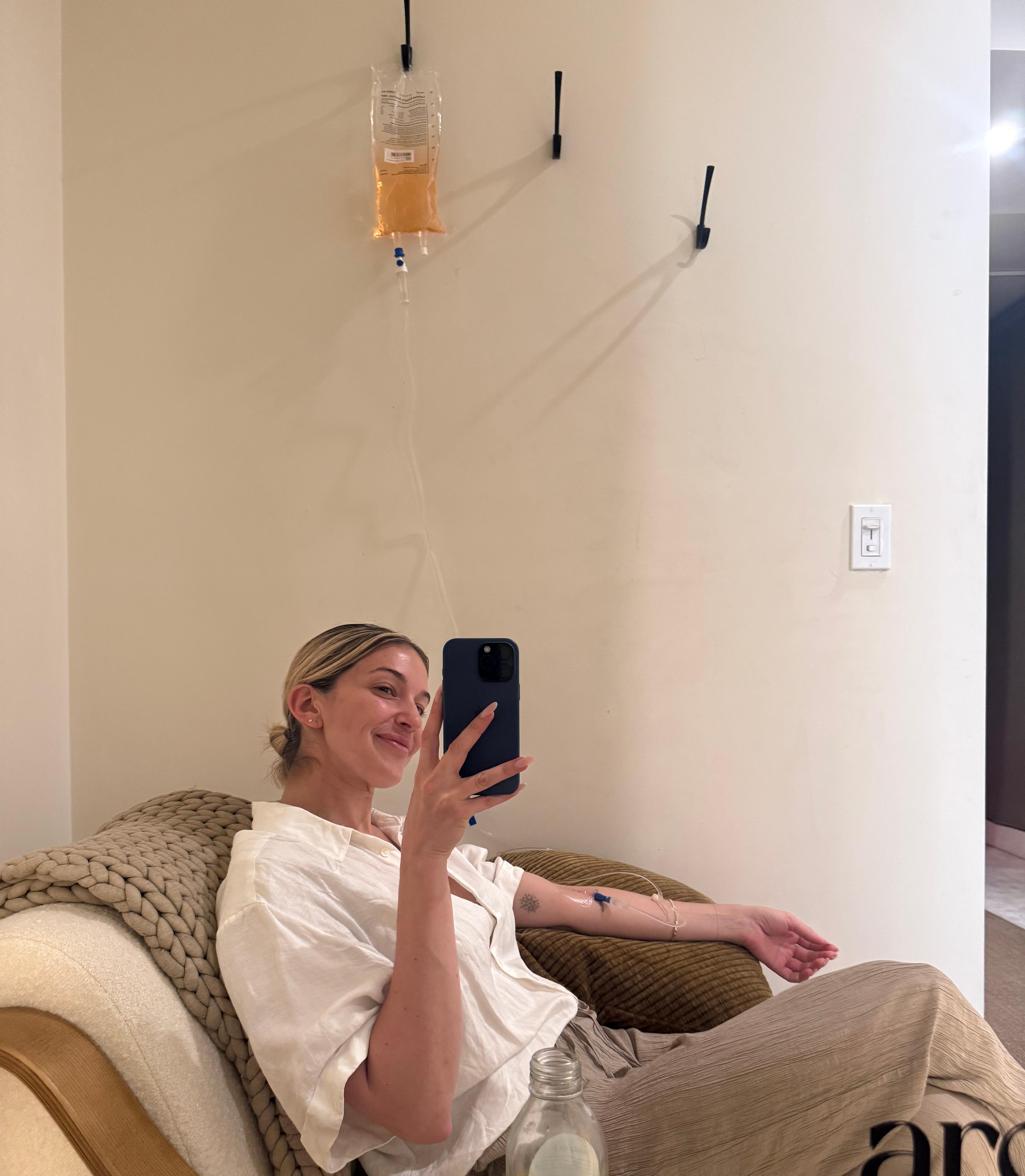
We offer care through telehealth, our SoHo clinic, and mobile concierge visits. You can see how care works and what to expect at each step.
When low estrogen needs treating, and when it doesn't
A single hormone result or a list of symptoms can help start the conversation. The more useful information comes from what changes over time: whether your cycle is becoming less predictable, whether symptoms are getting stronger or easing, and whether a treatment or lifestyle change is actually helping.
Your needs can shift too. A plan that fits now may need adjusting later, and sometimes the right decision is to leave it alone. What matters is having enough context to know the difference.
If you're trying to make sense of changes that aren't adding up yet, begin your assessment and we'll start with where things are now. If your symptoms and testing prove you might benefit from hormone therapy, Arōe is here to help guide you through it.
Frequently Asked Questions (FAQs):
Does low estrogen cause weight gain?
Lower estrogen may contribute to weight gain around menopause, but it isn't usually the only factor. Aging can also change metabolism and muscle mass, while sleep, activity, and eating patterns all influence weight.
Does low estrogen cause hair loss?
Hormonal changes around menopause may contribute to thinning hair, but hair loss has many possible causes. If you're noticing significant shedding or a widening part, it's worth having the cause assessed rather than assuming estrogen is responsible.
Is low estrogen the same as menopause?
No. Menopause is a stage of life, while low estrogen can happen for several reasons. Estrogen typically falls after menopause, but lower levels can also occur earlier with conditions such as primary ovarian insufficiency or functional hypothalamic amenorrhea.
Is low estrogen always treated with hormone therapy?
No. Treatment depends on why estrogen is low, your age, symptoms, and health history. Hormone therapy may be appropriate in some situations, while others are better addressed by treating the underlying cause or supporting the symptoms in other ways.
Editorial disclosure
Editorial content is general information, not medical advice, and is not intended to diagnose, treat, cure, or prevent any disease. Prescription treatments are available only where a licensed clinician determines they are appropriate. Eligibility varies by state.