

Skin Longevity 9 min read Sep 30, 2026
How to improve skin health: 6 essential steps and when to look deeper.
Skin feels dry, dull, or irritated despite a solid routine? Learn how nutrition, sleep, hormones, medications, and overall health can play a role.
 Lauren HawkinsFounder & CEO · BSB, BSN, RN, CCRN
How to improve skin health: 6 essentials and and when to look deeper
Key takeaways
- Healthy skin depends on both external care and broader factors such as nutrition, sleep, stress, smoking, medications, and hormonal changes.
- Start with the fundamentals: protect your skin from UV exposure, keep your routine simple, eat a balanced diet, stay adequately hydrated, and support your overall health.
- If your skin changes despite a consistent routine, look at what else changed around the same time. Your medications, hormones, nutrition, or another health issue may provide useful context.
- Treatments such as peptide or IV therapy can be considered within a broader wellness plan, but their role depends on the specific treatment, evidence, and your health history.
A longer skincare routine doesn't always lead to healthier skin.
You can follow a 13-step AM/PM routine—toner, serum, moisturizer, sunscreen, sleep mask, and everything in between—and still find that your skin doesn’t look or feel the way it used to.
When that happens, another product may not be the most useful next step. Your skin is part of a much bigger system, which means sleep, stress, nutrition, hormonal changes, medications, and your overall health can matter alongside what you put on your face.
Improving your skin health starts with taking a wider view. First, focus on the everyday habits that protect and support your skin. Then, if something still feels off, consider whether what's happening beneath the surface might need more attention too.
If you're also considering options like peptide therapy or IV therapy to help achieve your broader wellness goals, it helps to distinguish treatments that support overall health from treatments that are actually designed for skin.
What does healthy skin actually look like?
Healthy skin doesn't have to be poreless, wrinkle-free, or perfectly even.
What matters most is how well it functions. The outermost layer of skin forms a barrier that helps retain moisture and protect you from irritants and the environment.
Texture, visible pores, fine lines, pigmentation, and occasional blemishes can all be part of healthy skin.
Changes worth paying closer attention to include:
- Dryness that doesn't improve with appropriate skincare
- Unusual sensitivity or recurring irritation
- Persistent or worsening rashes
- Slow-healing areas
- Sudden or unexplained changes in your skin
The appearance of your skin can offer useful clues, but it can't tell you the cause by itself.
6 ways to improve your skin health
There isn't one serum, supplement, food, or treatment that determines skin health. Start with the habits that protect your skin and support your general health consistently.
1. Protect your skin from UV exposure
Sun protection is one of the most important steps you can take to keep your skin healthy over time.
Ultraviolet (UV) radiation can damage skin cells and increase the risk of skin cancer. Chronic sun exposure also contributes to premature skin aging.
To protect your skin:
- Use broad-spectrum sunscreen with SPF 30 or higher on exposed skin.
- Reapply when you're outdoors for extended periods, swimming, or sweating.
- Seek shade when the sun is strongest.
- Use hats, sunglasses, and protective clothing for additional coverage.
- Avoid intentional tanning.
These habits protect the skin you have rather than asking products to compensate for accumulated UV damage later.
2. Keep your skincare routine simple
More skincare products don't automatically mean healthier skin. For most people, a good skincare routine is fairly straightforward:
- Cleanse gently
- Moisturize according to your skin type and needs
- Use sunscreen during the day
- Add targeted products when there's a clear reason to use them
Someone with dry or sensitive skin may need something very different from someone managing acne or another skin condition.
And if a product makes your skin sting, burn, peel, or become increasingly irritated, don't assume that means it's working. Persistent irritation can be a sign that your skin barrier is under stress.
3. Eat a balanced diet
Your skin relies on many of the same nutrients as the rest of your body, including protein, fats, vitamins, minerals, and enough overall energy.
Instead of searching for a list of the “best foods for healthy skin,” build variety into your diet:
- Protein from foods such as fish, poultry, eggs, dairy, beans, lentils, or tofu
- Fruits and vegetables in a range of colors
- Whole grains and legumes
- Healthy fats from foods such as nuts, seeds, avocado, olive oil, and fatty fish
Specific foods can contribute useful nutrients, but no single fruit, drink, or “superfood” guarantees glowing skin.
Nutritional deficiencies can also affect the skin. If you have a restricted diet, digestive concerns, or symptoms that suggest a deficiency, an individualized assessment is more useful than adding supplements based on what happens to be popular.
4. Stay adequately hydrated
Your body needs enough fluid to function normally, and that includes your skin.
But more water doesn't automatically mean better skin.
If you're dehydrated, your skin may temporarily feel drier or look less plump. Staying adequately hydrated helps prevent that. Your skin's ability to hold onto moisture, however, also depends on how well its barrier is functioning.
Drinking enough water and using a hydrating moisturizer address different parts of skin hydration.
5. Prioritize sleep, movement, and stress management
Sleep, physical activity, and stress all affect your broader health, and your skin is part of that picture.
You don't need a perfect wellness routine. Focus on habits you can maintain:
- Aim for consistent, sufficient sleep
- Move regularly in ways that work for you
- Find realistic ways to manage ongoing stress
- Pay attention when skin changes appear alongside changes in energy, mood, sleep, or other aspects of your health
Sometimes that broader pattern is more useful than the skin change alone.
6. Avoid smoking
Smoking affects blood flow to the skin and contributes to premature skin aging.
Quitting supports healthier circulation and the body's normal repair processes, along with your cardiovascular, respiratory, and overall health.
When it makes sense to look beyond your skincare routine
Sometimes you've covered the basics and your skin still seems different.
Instead of automatically adding another active ingredient or changing your routine again, consider what else changed around the same time.
Skin changes can sometimes occur alongside:
- Hormonal changes: Shifts in hormones can affect moisture, oil production, skin thickness, and other aspects of skin function. Perimenopause and menopause are clear examples, but hormonal changes can occur at other stages of life too.
- Medications: Some medications can affect dryness, sensitivity, breakouts, pigmentation, or other skin characteristics.
- Nutritional deficiencies: Your skin may be one of several places a deficiency becomes noticeable.
- Stress and poor sleep: Both can coincide with changes in inflammatory skin conditions and how your skin looks and feels.
- Other health conditions: Persistent or sudden skin changes can sometimes occur alongside broader medical or dermatologic issues.
Gut health also comes up frequently in conversations about skin. Researchers are studying connections between the gut microbiome and conditions such as acne and rosacea, but those relationships are complex. A breakout isn't enough to conclude that something is wrong with your gut.
The useful question is often simpler: What else has changed?
If changes in your skin appear alongside changes in your menstrual cycle, digestion, hair, sleep, energy, medication, or another part of your health, that context is worth sharing with a clinician.
Where peptide therapy may fit
“Peptide” describes a type of molecule, not a specific treatment or benefit.
Peptides are short chains of amino acids, and different peptides perform very different functions. Insulin, certain GLP-1 medications, collagen peptides, topical skincare ingredients, and newer wellness peptides can all fall under the same broad label.
Our guide to what peptides are explains those differences in more detail.
If you're considering peptide therapy with skin-related or broader wellness goals in mind, the important questions are specific:
- Which peptide is being considered?
- What evidence exists for that particular use?
- How is it administered?
- Is it FDA-approved, compounded, or otherwise unapproved?
- What risks and limitations are known?
- How does it fit with your health history, medications, and other treatments?
Evidence for one peptide or delivery method shouldn't be treated as evidence for peptide therapy as a whole.
Peptide therapy also doesn't replace sun protection, appropriate skincare, or treatment for a diagnosed skin condition.
At Arōe Health, peptide therapy is considered in the context of your broader health rather than as a standalone product you select from a menu.
The care process follows three steps:
- Assess: A clinician reviews your goals, health history, medications, and other relevant information.
- Design: If peptide therapy is appropriate, your clinician considers how it fits within your broader care plan.
- Support: Ongoing care allows your clinician to review how you're responding and reconsider the plan when appropriate.
Arōe also currently offers a Glow-focused peptide option.
What about IV therapy and infrared saunas?
Looking beyond topical skincare doesn't mean every wellness treatment becomes a skin treatment.
The better question is how each option fits into your overall health goals and what evidence exists for the specific outcome you're looking for.
IV therapy
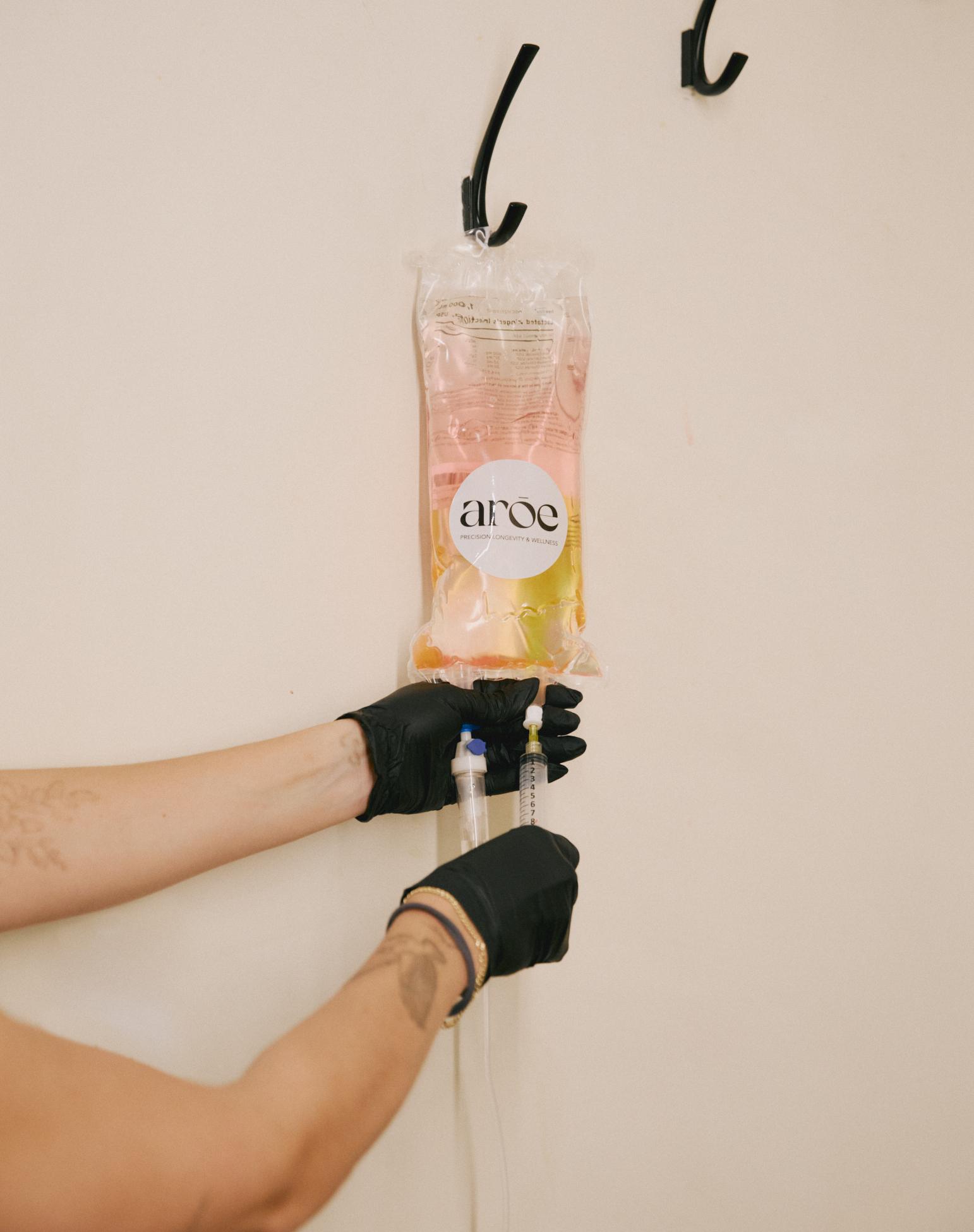
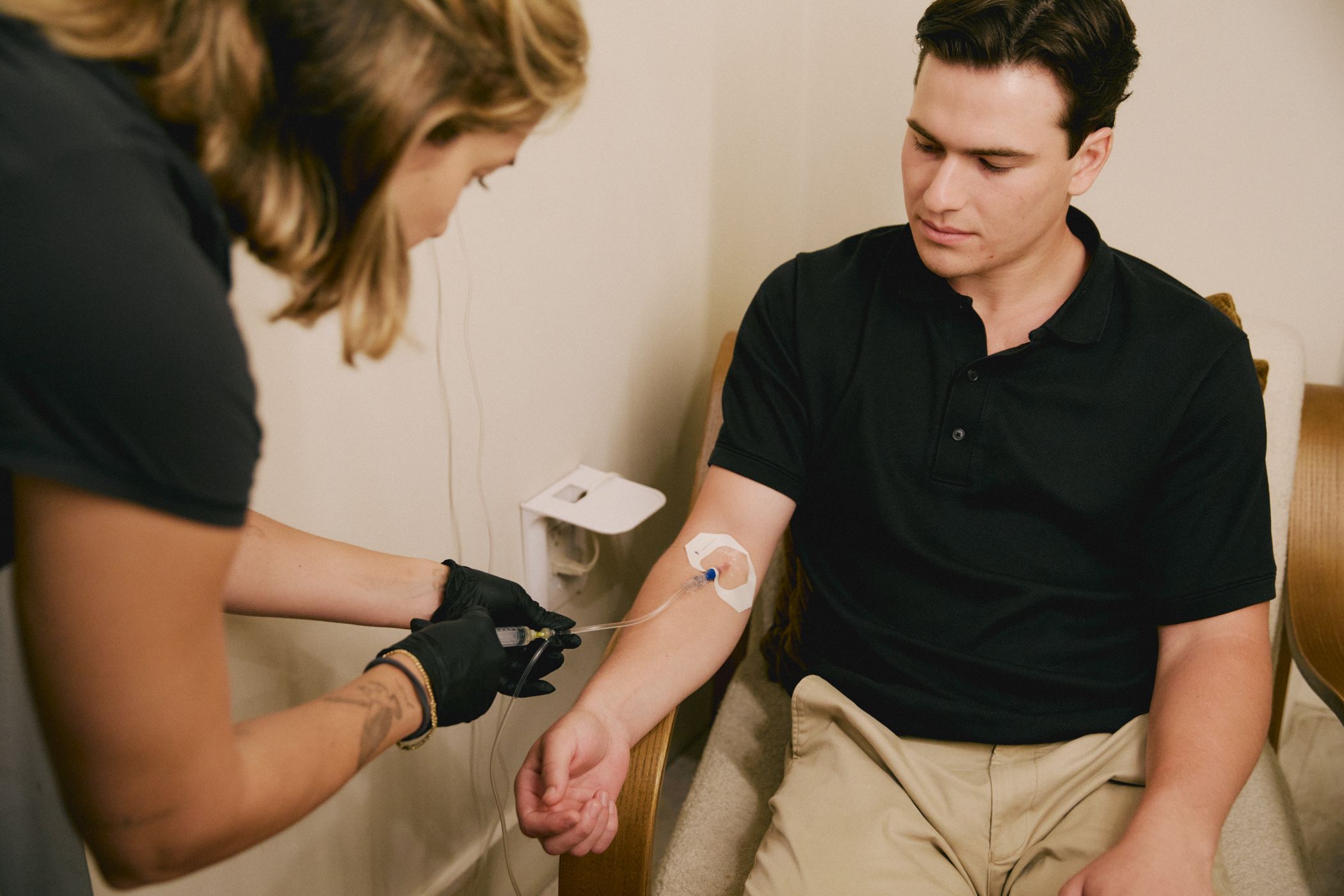
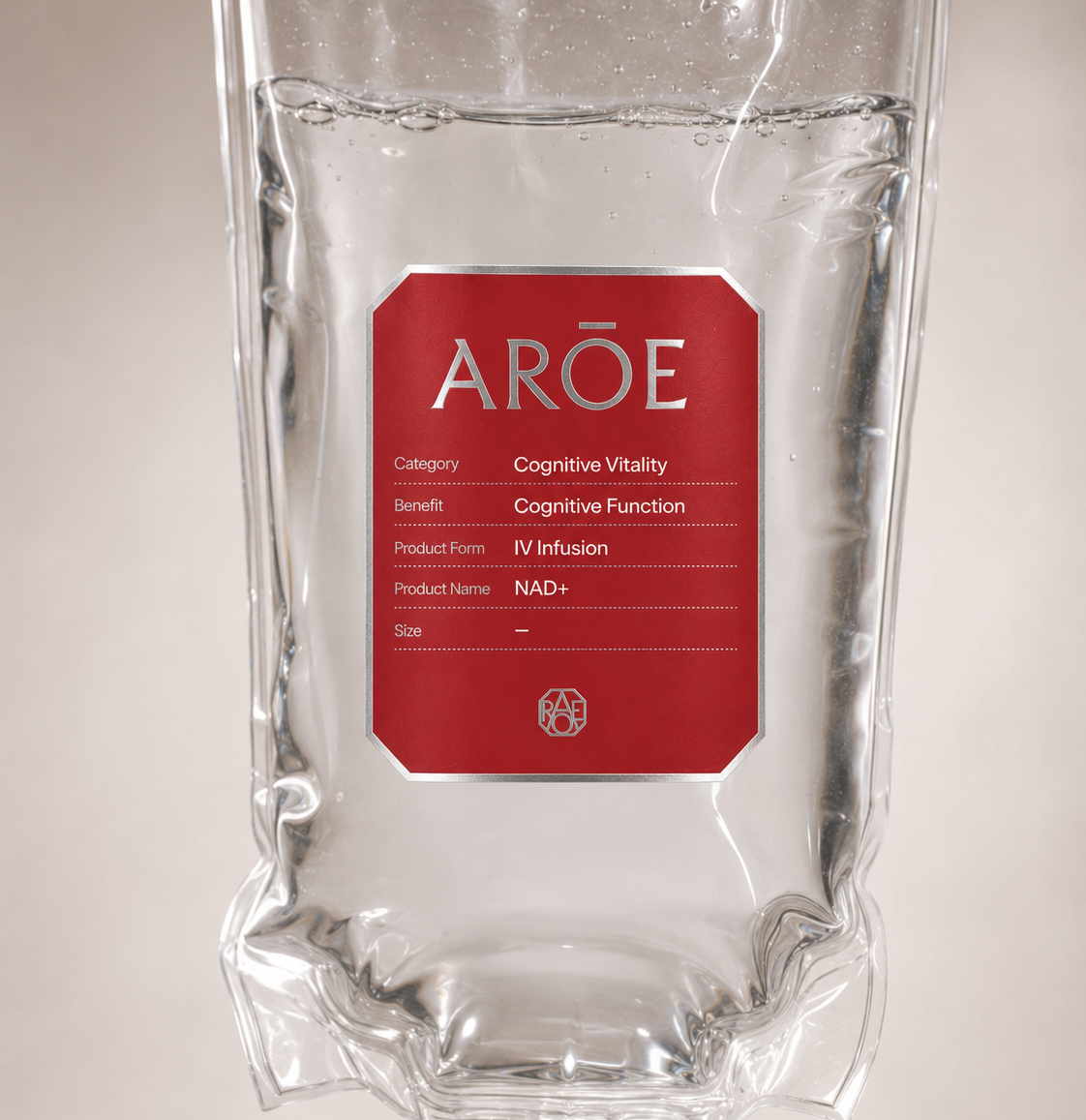
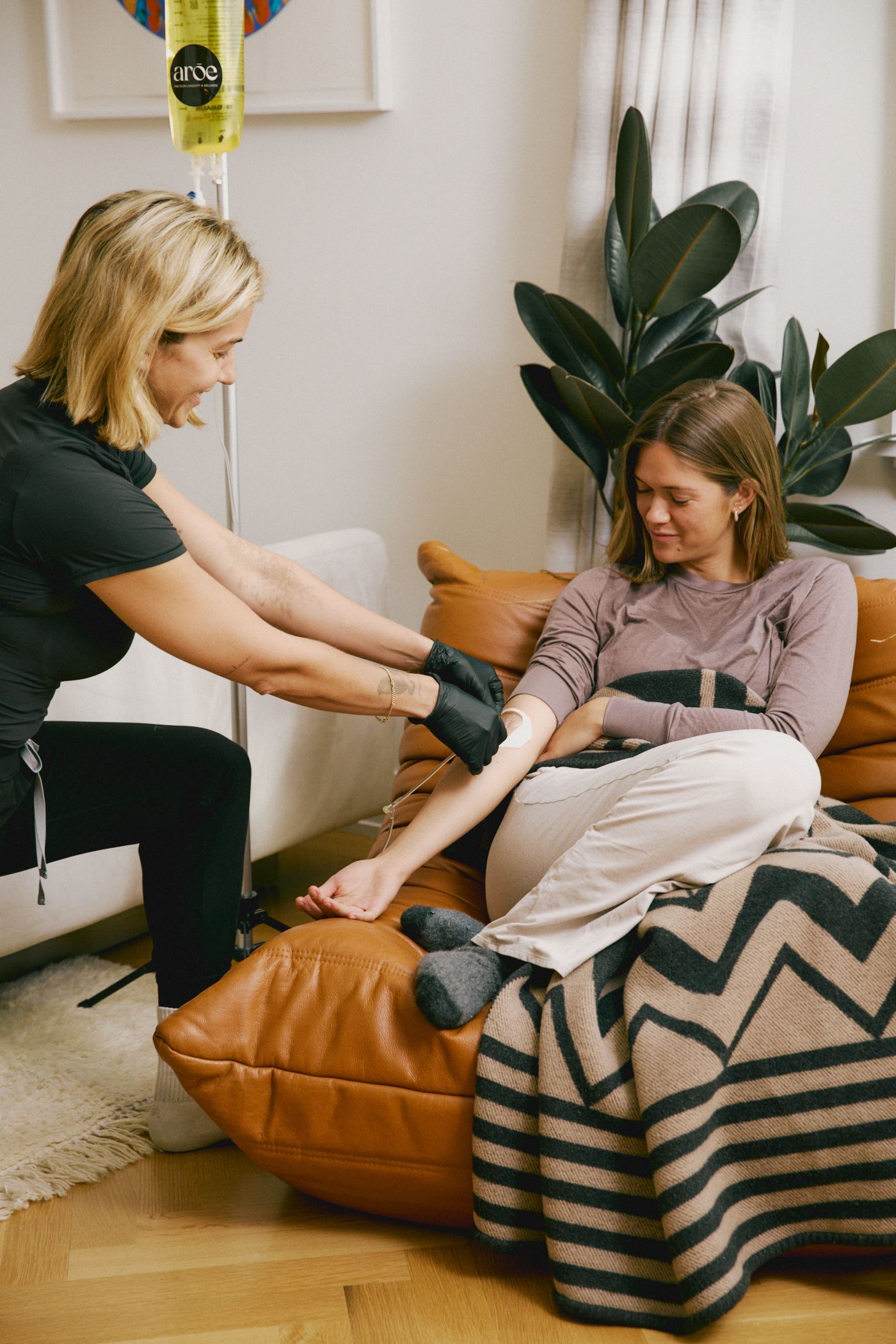
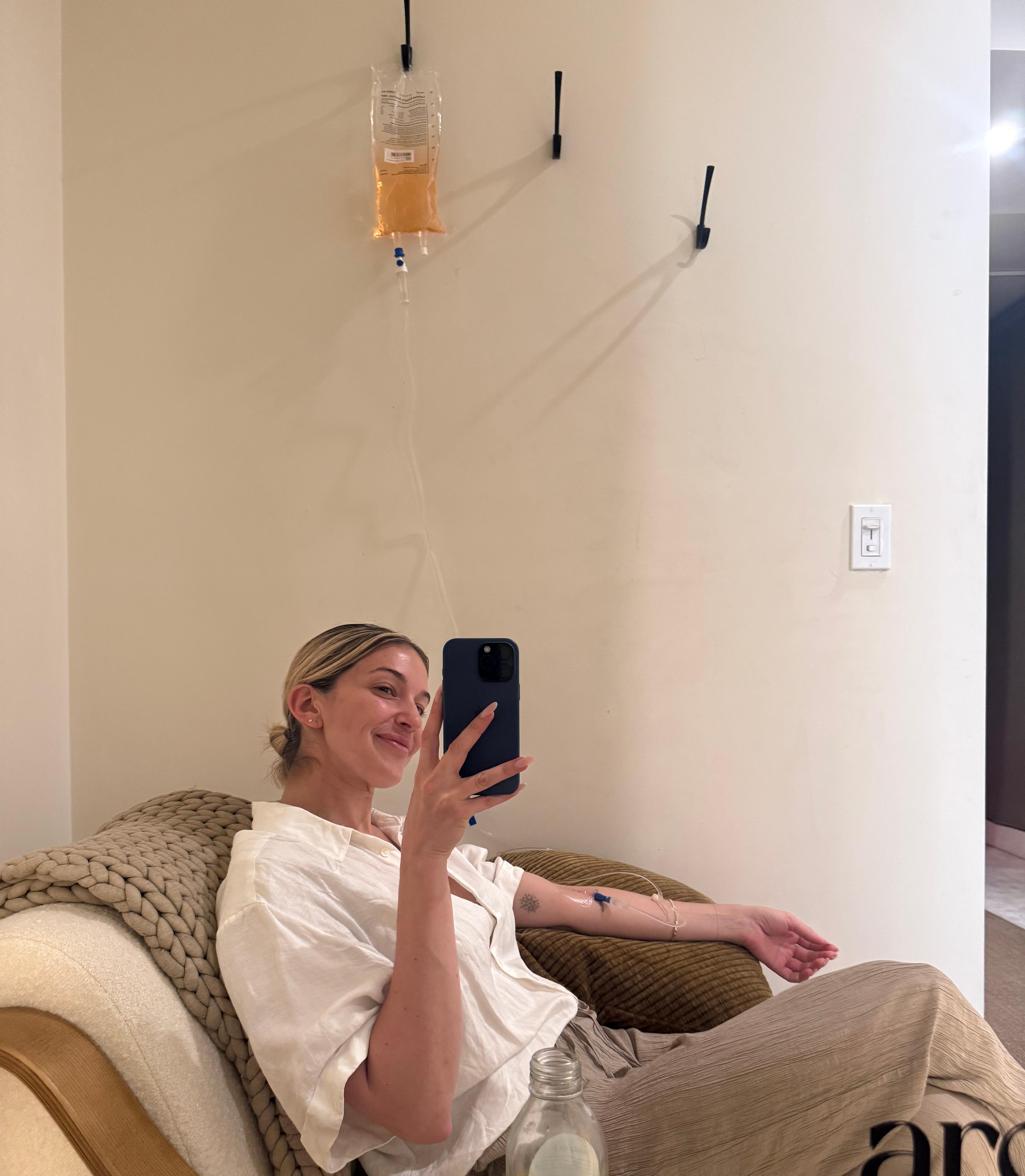
Arōe offers IV therapy through clinician-guided protocols, including an IV currently named Arōe Glow.
An IV delivers fluids and selected ingredients directly into the bloodstream. What that means for you depends on what the IV contains, why it's being used, and your individual health needs.
IV therapy shouldn't replace everyday hydration, a balanced diet, appropriate skincare, or treatment of an underlying skin condition.
Infrared sauna
Infrared sauna fits differently into a whole-person wellness plan.
Arōe’s Soho lounge features an infrared sauna to support circulation, recovery, relaxation, and overall wellness. Research has also explored possible effects of sauna use on skin hydration and barrier function, although evidence specific to infrared sauna for improving skin health is limited.
That makes infrared sauna better suited to a broader wellness routine than as a treatment for wrinkles, acne, or another specific skin condition.
When to see a dermatologist or another clinician
Some skin changes deserve more than a routine adjustment.
Consider seeing a dermatologist for concerns such as:
- A new or changing mole or lesion
- A sore that doesn't heal
- A persistent or worsening rash
- Severe or persistent acne
- Significant pain, itching, redness, or inflammation
- A sudden or unexplained skin change that continues
A dermatologist can diagnose and treat conditions affecting the skin directly.
A broader clinical evaluation may also make sense when a skin change occurs alongside other symptoms, such as changes in hormones, digestion, energy, sleep, hair, weight, or medication use.
Those forms of care can complement each other. The right next step depends on what's actually driving the concern.
What to do when the basics aren't enough
If you've simplified your routine, protected your skin from the sun, and covered the everyday foundations but something still isn't improving, the next step isn't necessarily to try more.
Instead, look at the pattern:
- A persistent rash, lesion, severe acne, or other skin-specific concern may need a dermatologist.
- Skin changes alongside shifts in your cycle, sleep, energy, digestion, medications, or other symptoms may be worth discussing in the context of your broader health.
- If you're considering options such as peptide therapy, IV therapy, or infrared sauna, look at the specific treatment, the evidence behind it, its risks and limitations, and whether it makes sense for your goals.
This is where a whole-person approach can be useful. At Arōe, clinicians consider skin-related goals alongside your health history and other concerns before determining whether any available treatment belongs in your plan.
The goal isn't to find one more thing to add. It's to understand what deserves attention first.
If you'd like to find out whether peptide therapy fits your goals and health history, start a consultation today.
Frequently asked questions (FAQs)
Can hormonal changes affect your skin?
Yes. Hormonal shifts can affect oil production, moisture retention, skin thickness, and other aspects of skin function.
For example, declining estrogen during perimenopause and menopause can contribute to drier, thinner skin. Hormonal changes can also affect acne and oil production at other stages of life.
A skin change alone doesn't tell you whether hormones are responsible. Look at whether it appeared alongside other changes in your cycle, sleep, energy, hair, mood, or general health.
Can gut health affect your skin?
Researchers have found associations between the gut microbiome and some inflammatory skin conditions, but the relationship is still being studied.
Gut health is therefore one possible part of a broader health picture, not a universal explanation for acne, rosacea, or other skin problems. Persistent symptoms should be evaluated based on your full health context rather than assumed to begin in the gut.
Do skin supplements work?
It depends on the supplement and whether you actually need what it contains.
If you have a nutritional deficiency, correcting it may improve symptoms related to that deficiency. But taking extra vitamins, minerals, collagen, or other supplements doesn't automatically lead to healthier skin when your nutritional needs are already being met.
Before adding a supplement, consider what evidence exists for the specific ingredient, whether the dose is appropriate, and whether it could interact with your medications or other treatments.
Editorial disclosure
Editorial content is general information, not medical advice, and is not intended to diagnose, treat, cure, or prevent any disease. Prescription treatments are available only where a licensed clinician determines they are appropriate. Eligibility varies by state.