
NAD+ Longevity Sep 30, 2026
NAD+ benefits: What it does, and how to choose the right approach.
NAD+ benefits explained: what it does for energy, focus, and metabolism, and how supplements, injections, and IV therapy compare.
 Lauren HawkinsFounder & CEO · BSB, BSN, RN, CCRN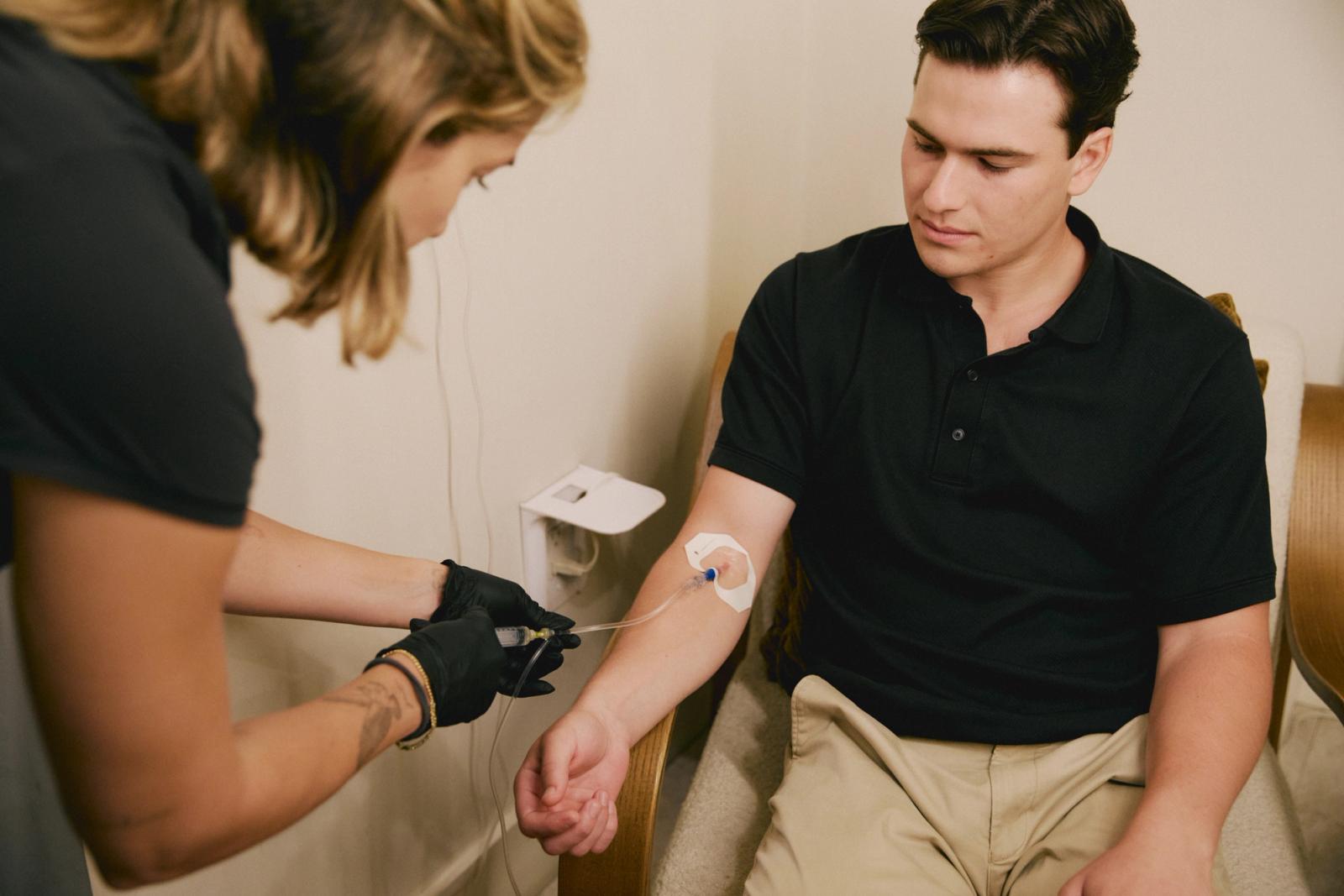
NAD+ benefits: What it does, and how to choose the right approach
You may be doing many of the things that are supposed to support your health and still notice that your energy does not go quite as far as it used to. A full day can feel more draining, recovery from workouts may take longer, and staying focused sometimes requires more effort than you expect. When you start looking for ways to feel more like yourself again, NAD+ often comes up.
It has been linked to everything from energy and focus to recovery and healthy aging, which makes it hard to know where to start and which approach makes sense for you.
There are several ways to raise NAD+, including oral precursors and clinician-administered NAD+ IV therapy. What follows is what NAD+ does in the body, what the research supports so far, and how the different options compare when you are deciding which one fits.
What NAD+ does in your body
NAD+ stands for nicotinamide adenine dinucleotide. Your body makes it through several pathways using vitamin B3 precursors, including niacin and related compounds such as nicotinamide riboside (NR) and nicotinamide mononucleotide (NMN).
Every cell uses this coenzyme for energy production, DNA repair, cellular stress responses, and metabolism. Those roles help explain why it has become associated with everything from recovery and focus to healthy aging.
Levels also decline with age in some tissues. That decline is part of why raising NAD+ has become such an active area of research, and why so many people start looking into it.
This is now one of the more actively studied molecules in longevity medicine, and the picture is still developing. Here is what human research supports so far, area by area.
Energy and recovery
Energy is one of the easiest NAD+ connections to understand: your cells need it to turn nutrients into usable energy, and mitochondria depend on it to produce ATP.
Oral NR and NMN reliably raise circulating NAD+, and some trials have shown improvements in physical performance. How consistently that shows up as day-to-day energy is still being studied, which is why your starting point matters: someone running on chronic sleep debt and someone with a specific deficit are solving different problems. An assessment tells you which one you are.
DNA repair and healthy aging
The healthy-aging case starts with NAD+’s role in cellular maintenance. It supports enzymes involved in repairing DNA and helping cells respond to stress, and those pathways are central to how cells stay resilient over time.
This is the mechanism behind the current research momentum, and human research on longer-term aging outcomes is still too early to be conclusive. What is already clear is that these enzymes cannot do their work without NAD+, which is why maintaining healthy levels is a wise thing to pay attention to.
Metabolism and blood sugar
Some of the most encouraging human results have appeared here. NMN has improved insulin sensitivity in certain groups, including postmenopausal women with prediabetes, which suggests the effect is strongest where there is something specific to improve.
Across broader trials in healthier adults, weight and blood sugar measures have not shifted consistently, which points to where NAD+ fits best: alongside training, nutrition, and clinical follow-up, in people whose labs or symptoms point somewhere concrete. That is exactly the context a clinician can identify.
Focus and cognitive function
The brain uses a large share of the body's energy, so the link between NAD+ and mental clarity is biologically well founded.
In older adults with mild cognitive impairment, 12 weeks of nicotinamide riboside roughly doubled blood NAD+ and blood flow increased in a region involved in memory. Cognitive scores did not shift significantly in that twelve-week window, though the underlying biology responded quickly. That was a pilot study, which is the stage where the question becomes whether a larger, longer trial shows the same pattern.
NAD+ supplements, injections, and IV therapy: how do they differ?
How you take or receive NAD+ changes the experience, the timeline, and how much control a clinician has over the dose. Most oral research has studied precursors such as NR and NMN, which your body converts into NAD+, while injections and IV therapy deliver NAD+ into the bloodstream.
Route
How it works
Practical considerations
Who it may suit
Oral NR and NMN
Your body converts these precursors into NAD+
Taken orally; supplement quality and formulation can vary
Someone starting out, or who wants a low-commitment daily routine they can maintain over months.
NAD+ injections
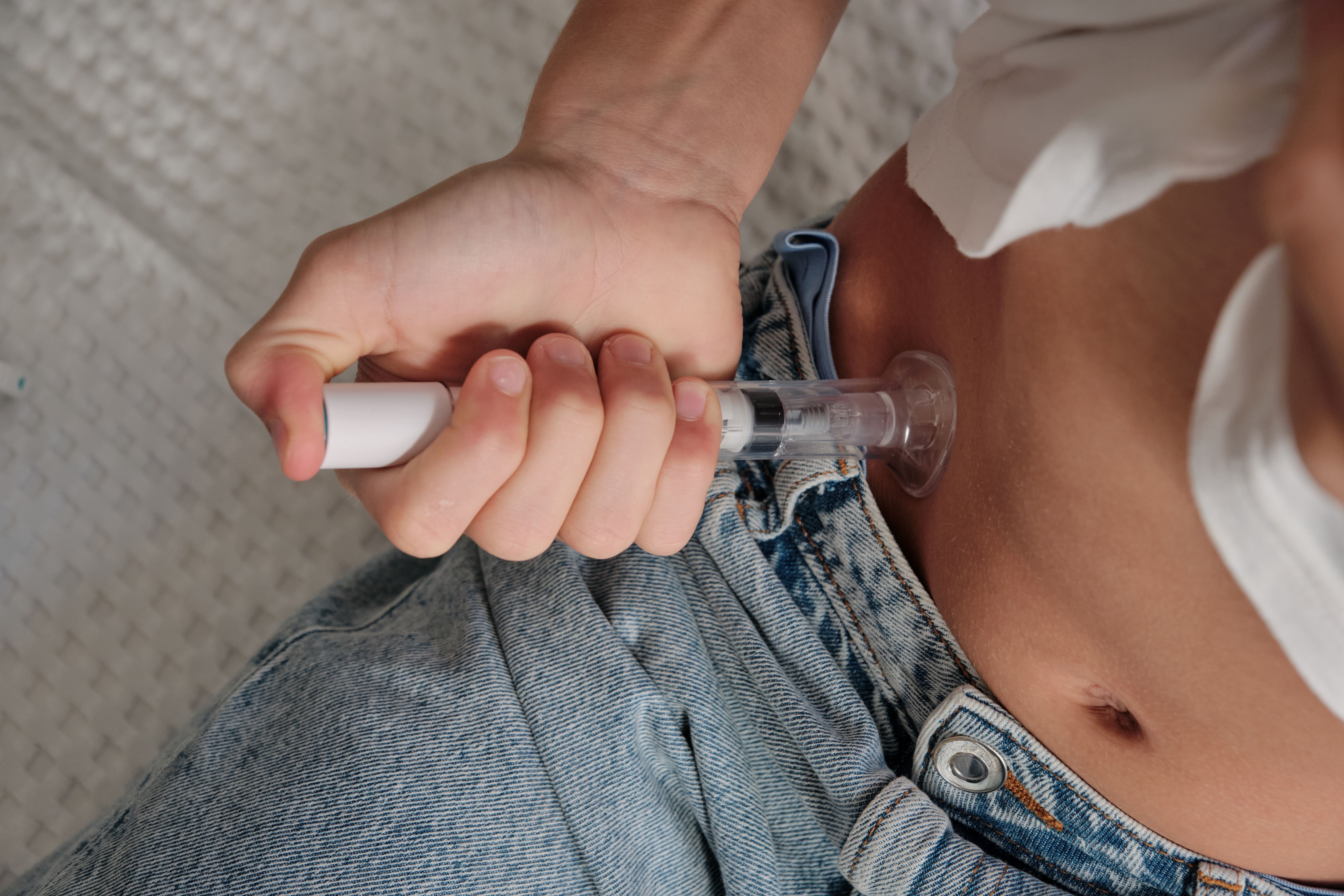
NAD+ is administered directly, usually by intramuscular injection
Faster to administer than an IV; sourcing and sterile preparation matter
Someone who wants clinician-administered NAD+ without the time commitment of an infusion, or who prefers a regular cadence of shorter visits.
NAD+ IV therapy
NAD+ is delivered directly through an intravenous infusion
Takes longer and requires monitoring during treatment
Someone who wants a higher dose delivered under clinical supervision, and who values having a provider present for the whole session.
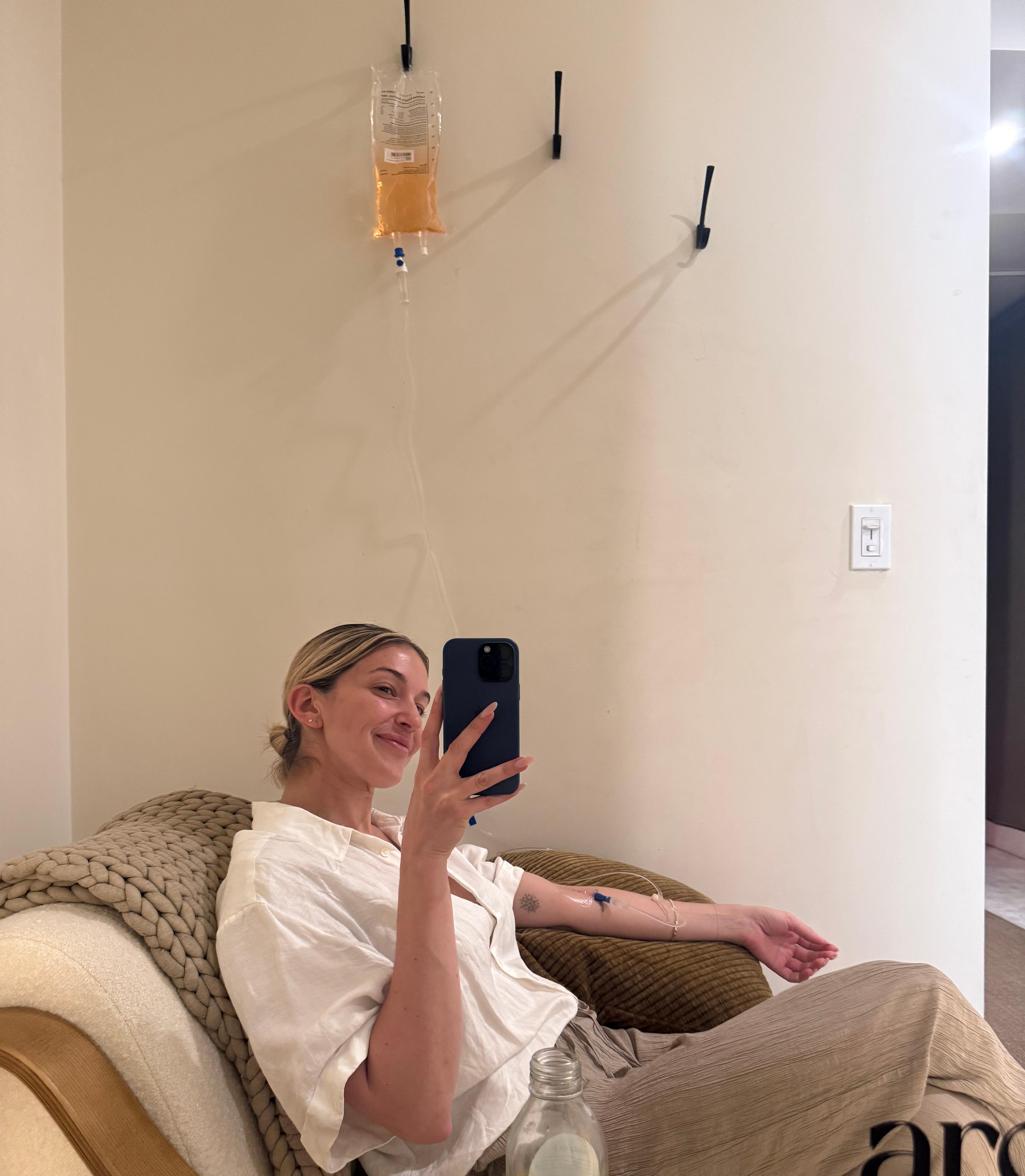
Infusions are typically paced to comfort. Nausea, warmth, or chest pressure can occur when NAD+ is delivered quickly, which is why a good provider slows the drip and stays with you rather than leaving you to manage it.
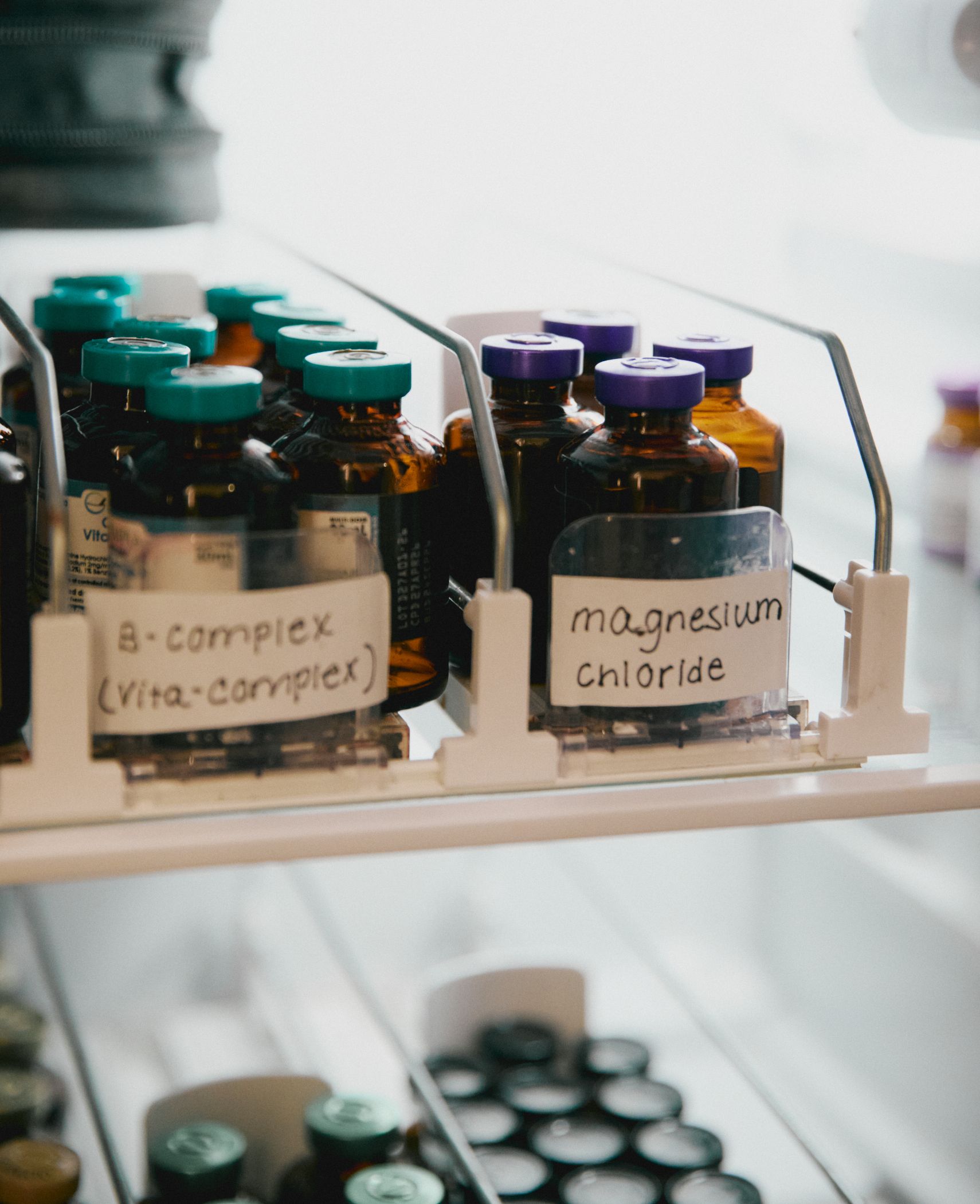
Because injections and IV products are prepared by compounding pharmacies, sourcing and preparation are worth asking about.
Ask these questions:
- Who reviews whether treatment is appropriate for you?
- Where is the product prepared, and to what standards?
- Who administers and monitors your treatment?
- How is your response reviewed afterward?
How Arōe approaches NAD+ care
At Arōe Health, NAD+ sits within a broader approach to proactive, clinician-led care. The starting point is understanding what you want to change and whether NAD+ makes sense in that context, rather than assuming a particular molecule or delivery method is the answer.
Arōe's approach follows three steps:
- Assess: Your goals, health history, symptoms, medications, and what you have already tried help build a clearer picture. Labs can add context when they would meaningfully inform the plan.
- Design: If NAD+ is appropriate, the delivery method is considered alongside your goals, preferences, and the rest of your care.
- Support: How you respond helps determine whether the plan should continue, change, or stop.
Clinical standards we maintain at Arōe
Every therapy Arōe dispenses is prepared for human treatment and filled through licensed, accredited pharmacies, and the clinical team is deliberate about where products are sourced and how they are prepared. Treatments are administered and monitored by trained clinical staff, and infusions are paced to your tolerance rather than to a clock.
That standard is why the questions above are worth asking of any provider. Sourcing, preparation, and monitoring are what separate a considered treatment from a menu item.
[TESTIMONIAL PLACEHOLDER about the experience of care]
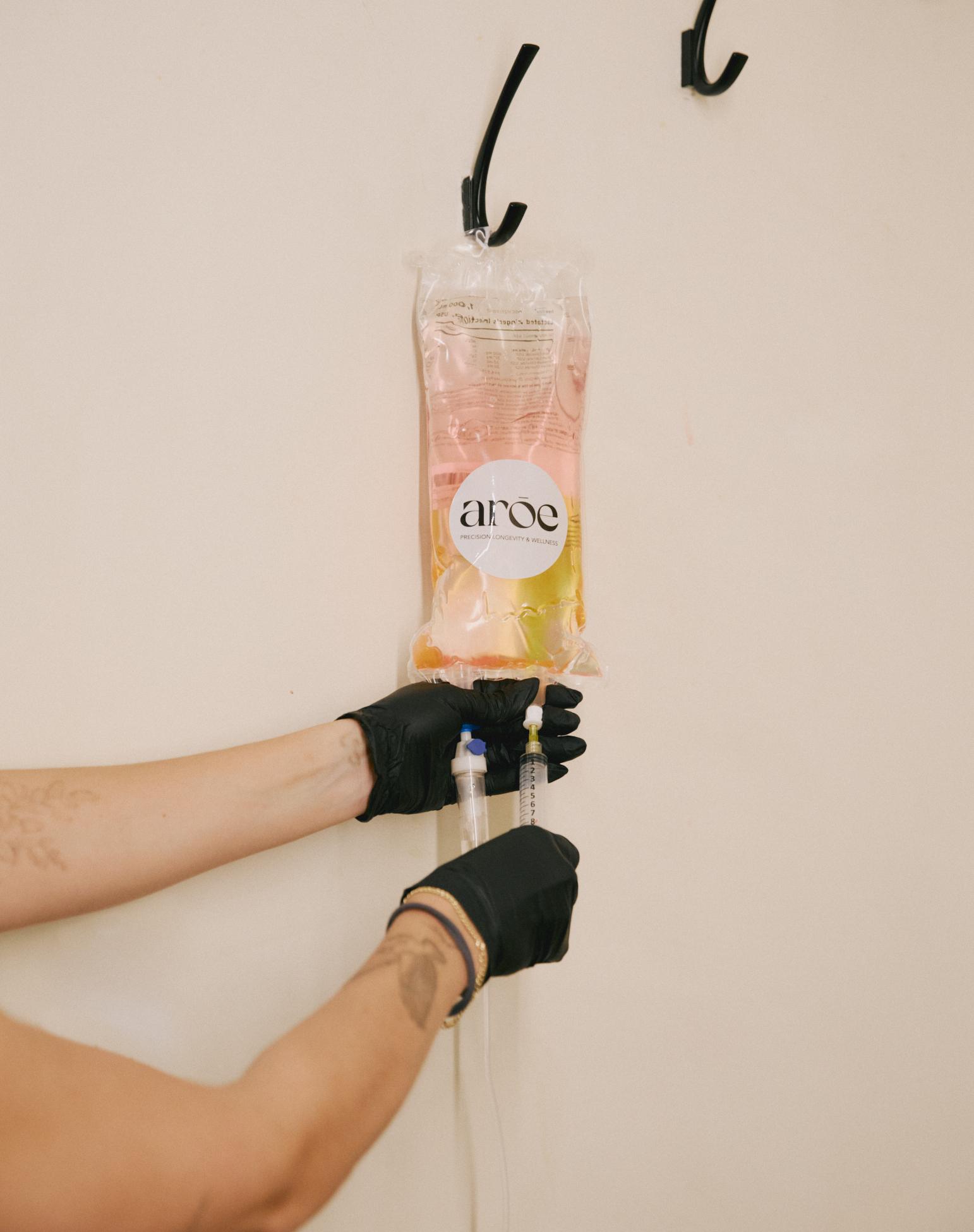
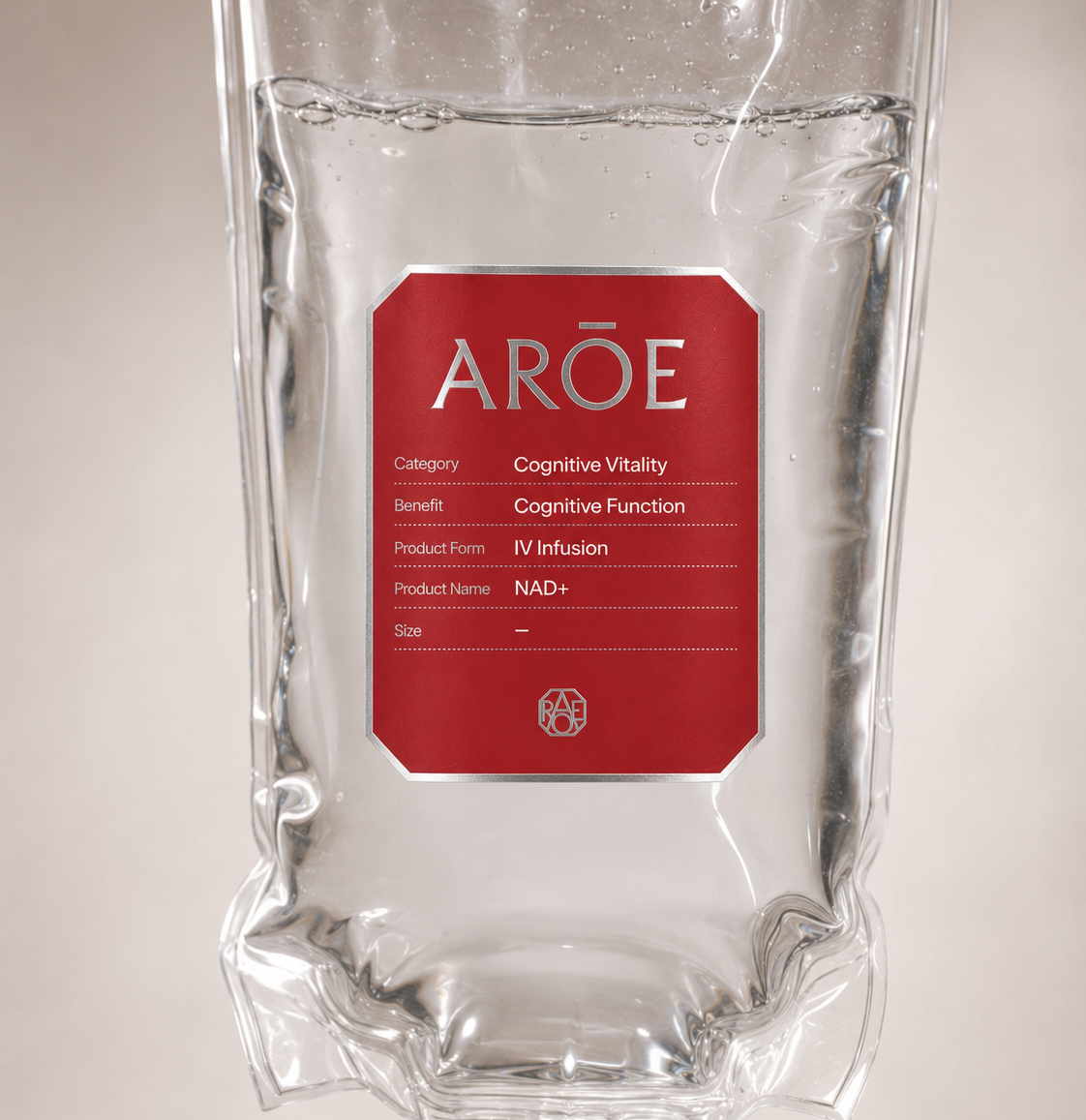
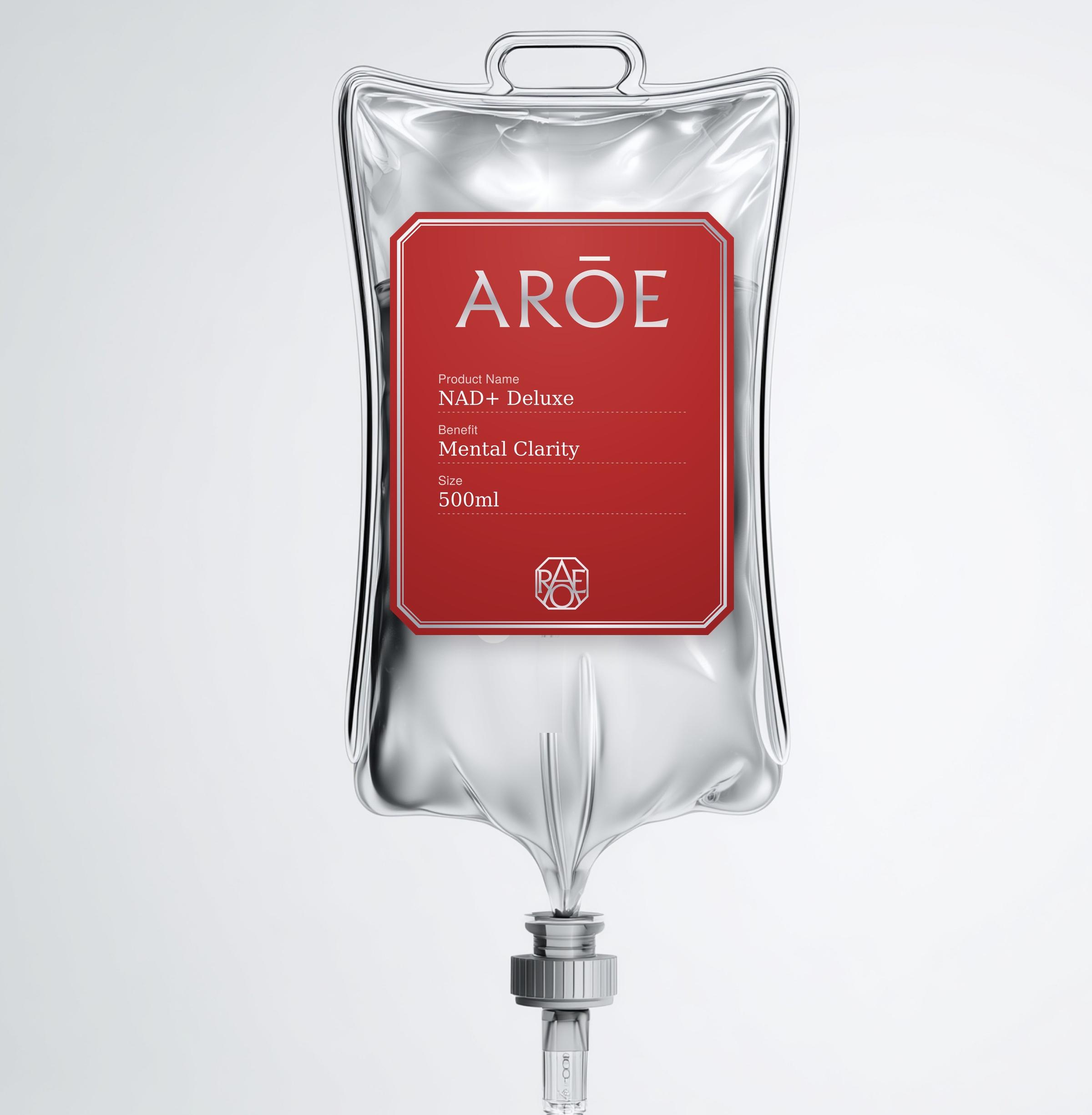
When NAD+ is appropriate, Arōe offers NAD+ IV therapy through its NAD+ Elix-ir line. NAD+ Essential pairs a high dose of NAD+ with pure fluids and suits people already familiar with NAD+ infusions, while NAD+ Deluxe adds vitamins and comfort-focused medication to support infusion tolerance. NAD+ Boost injections offer a shorter option for people who want clinician-administered NAD+ without a longer appointment.
Care is available at the Arōe SoHo lounge in New York City, with mobile concierge service in Aspen, the Hamptons, West Palm Beach, and the New York City area.
Care for the long game starts with a clear picture
If NAD+ caught your attention because your energy, focus, or recovery has changed, the real decision starts earlier than choosing an IV, injection, or supplement. It starts with understanding what changed and what deserves attention.
That is where a consultation at Arōe can be useful. A clinician looks at your symptoms, health history, goals, medications, and relevant labs before recommending a path forward, then helps you choose the approach that fits your goals and your schedule.
Our goal is to reduce your guesswork and give you a clearer sense of which treatment is right for you. Begin with Arōe.
Frequently asked questions (FAQs):
What are the benefits of NAD+ for energy, focus, and aging?
NAD+ helps your cells produce energy, repair DNA, respond to stress, and regulate metabolism. Raising NAD+ is well established, and research into how those cellular changes translate into energy, focus, and healthy aging is developing. Your starting point, goals, and health history all shape how much difference it is likely to make.
Is NAD+ supplementation actually effective?
Oral precursors such as NR and NMN reliably increase circulating NAD+. Both raised NAD+ within 14 days in healthy adults. Whether you feel a difference day to day depends on what you are trying to improve, which is why it works best alongside a clinician who can track your response and adjust.
Do NAD+ injections work better than supplements?
They work differently. Injections and IV therapy deliver NAD+ into the bloodstream, with the dose controlled and administered by a clinician, while oral precursors are absorbed and converted through digestion. Oral options have been studied for longer; direct delivery offers precision and clinical oversight. The right choice depends on your goals, your schedule, and what you have already tried.
What are the downsides of taking NAD+?
Oral precursors are generally well tolerated. When side effects do occur, they tend to be mild: nausea or stomach discomfort, headache, lightheadedness, or muscle cramps. Niacin can also cause skin flushing, and high doses carry a risk of liver toxicity. With injections and IV therapy, the common side effects relate to infusion speed and ease when the rate slows.
Anyone with a history of cancer, advanced liver disease, or who is pregnant or breastfeeding should speak with a clinician first, as should anyone considering long-term use.
Can NAD+ help with weight loss?
NAD+ is involved in the pathways that process glucose and fat, and it can be a useful part of a broader metabolic plan. It is not a standalone weight-loss treatment, and short-term NMN has not produced significant changes in body weight or BMI on its own.
Are NAD+ benefits different for women and men?
There is no established difference in how NAD+ works for women and men. What differs is the reason someone is experiencing changes in energy, focus, or recovery, including factors related to hormones, sleep, iron status, medications, training, and life stage. Those differences matter when deciding whether NAD+ is the right fit, which is what an assessment is for.
Where can I get NAD+ injections or IV therapy?
NAD+ injections and IV therapy are available through wellness and longevity practices, but availability alone does not tell you much about the quality of care. Look at who reviews your eligibility, where the product is prepared, how you are monitored, and what follow-up looks like.
Arōe offers NAD+ Boost injections and NAD+ Elix-ir IVs within its clinician-led approach to proactive care. Care is available at the Arōe SoHo lounge in New York City, with mobile concierge service in Aspen, the Hamptons, West Palm Beach, and the New York City area.
Editorial disclosure
Editorial content is general information, not medical advice, and is not intended to diagnose, treat, cure, or prevent any disease. Prescription treatments are available only where a licensed clinician determines they are appropriate. Eligibility varies by state.