

Gut Health Sep 30, 2026
How to improve gut health: where to start when your digestion feels off.
Gut health is more than your microbiome. Understand what may be behind digestive changes, what to focus on first, and when to look more closely.
 Lauren HawkinsFounder & CEO · BSB, BSN, RN, CCRN
How to improve gut health: where to start when your digestion feels off
Key takeaways
- Gut health refers to how well your digestive system breaks down food, absorbs nutrients, moves waste, and carries out its other functions. Your microbiome is one part of that bigger picture.
- Signs that something may be affecting your digestion, like persistent bloating, constipation, or diarrhea, are worth paying attention to. Fiber, variety, hydration, and movement are good places to start.
- Probiotics and prebiotics work differently and can be useful in specific situations rather than as a universal fix. If symptoms persist, get specific advice instead of guessing.
It often starts with something small. Your jeans feel tighter by six in the evening, even though nothing about your day really changed. Maybe you cancel plans because you’re not sure your stomach will cooperate, or a meal you’ve eaten a hundred times suddenly leaves you uncomfortable for the rest of the evening. It’s enough to make you start paying attention.
That’s often when you start searching for how to improve gut health, only to find a long list of conflicting advice: take a probiotic, cut out gluten, eat 30 plants a week, try a seven-day cleanse, reset your microbiome. Everyone seems certain, but the evidence isn’t always that clear.
A better place to start is simpler. Focus on the everyday things that support digestion, pay attention to the patterns that keep showing up, and get more specific if something still feels off.
This article covers what digestive health actually depends on, the signs worth paying attention to, and which changes are most useful for supporting it over time, and where options like IV therapy may fit into the bigger picture.
What is gut health, and why does it matter?
Your digestive tract does more than break down food. It absorbs nutrients and fluids, moves waste through your system, and communicates constantly with your nervous and immune systems. It’s also home to trillions of microorganisms, collectively called your gut microbiome.
There isn’t one “healthy” microbiome that everyone should aim for. What a healthy gut looks like can vary from person to person, and diversity alone isn’t enough to tell you whether your gut is working well.
The goal is to pay attention to how your digestive system is functioning, and what tends to help or aggravate it.
What are the signs of an unhealthy gut?
The clearest signals are changes in digestion itself: persistent bloating, constipation, diarrhea, abdominal discomfort, reflux, or bowel habits that shift without an obvious reason.
These symptoms can have many causes, from diet and medications to infections or conditions like IBS, which can involve abdominal pain alongside constipation, diarrhea, or both.
Because the causes overlap so much, the same symptom rarely points to one clear explanation. That’s why it helps to pay attention to what keeps showing up rather than guessing at the cause.
If bloating, discomfort, or changes in your bowel habits have become a pattern, start with the everyday things your digestion depends on and see what changes from there.
4 everyday habits that support gut health
Fiber, plant variety, hydration, and movement all support digestion in different ways. The useful part is that you can adjust them one at a time, which makes it easier to notice what your digestion actually responds to instead of changing four things at once and guessing which one helped.
1. Increase fiber gradually
Fiber-rich foods such as oats, whole grains, beans, lentils, vegetables, fruit, nuts, and seeds can support regular bowel movements, while some types of fiber are fermented by microbes in your large intestine.
Most adults need 22–34 grams of fiber a day, depending on age and sex.
If you’re well under that now, don’t try to close the gap overnight. Add fiber-rich options gradually so your system has time to adjust. If one of them leaves you especially bloated, don’t force it just because it’s “good for you.” How well you tolerate food matters too.
2. Add more plant variety
You’ve probably heard you should eat 30 different plant foods a week. The useful idea behind that recommendation is variety: different plant foods provide different combinations of fiber and nutrients.
People who reported eating 30+ plant types a week had more diverse gut microbiomes than those eating 10 or fewer, but 30 isn’t a medical requirement or cutoff.
Use the number as inspiration if it helps, but skip the scorecard if counting every herb and vegetable turns dinner into homework.
Instead, look for simple ways to rotate what you already eat: a different fruit with breakfast, lentils instead of your usual side, another whole grain, or a handful of nuts or seeds. The goal is more variety over time, not perfecting every meal.
3. Drink enough fluids
Fluids matter throughout digestion, especially as you add fiber. Getting enough liquids helps fiber work more effectively.
There’s no single “right” number of liters for everyone. Most days, focus on drinking consistently and pay closer attention when heat, exercise, illness, vomiting, or diarrhea means you’re losing more fluid than usual.
4. Move regularly
Movement supports more than your heart and muscles. Regular activity may also help relieve constipation.
You don’t need a gut-specific workout. Walking, lifting, yoga, cycling, or whatever movement you can realistically stick with counts.
Once those basics are more consistent, it's easier to tell whether something more targeted is worth adding.
Should you try probiotics or prebiotics? Here’s what to know
If you're thinking about adding something more targeted, the label matters less than what you're trying to address. Probiotics and prebiotics can both have a place, but they work differently, and neither is something everyone needs by default.
What probiotics can and can't do
Different probiotic products contain different microorganisms, and their effects can depend on the exact strain or combination, dose, formulation, and what you're taking them for. A higher CFU count doesn't automatically make one product better.
Probiotic products can vary significantly, and there are currently no FDA-approved health claims for probiotics.
That makes "which probiotic should I take?" less useful than asking whether a particular strain has evidence for what you're dealing with. For many digestive conditions, including IBS, probiotics aren't broadly recommended; recommendations depend on the condition and the specific formulation.
What prebiotics do differently
Prebiotics work differently. Instead of adding live microorganisms, they're substances certain microbes can selectively use in a way that provides a health benefit.
You'll find naturally occurring prebiotic compounds in foods such as garlic, onions, oats, and bananas. As with fiber more broadly, you don't need to force a particular food if it consistently leaves you uncomfortable.
Why fermented foods aren't automatically probiotics
Fermented foods sit somewhere different again. Some yogurts, kefir, kimchi, sauerkraut, and other fermented foods contain live microorganisms when you eat them, depending on how they're made and processed.
But "fermented" doesn't automatically mean "probiotic." Not all fermented foods contain microorganisms with proven benefits, and probiotics are defined by specific strains with demonstrated health benefits.
If you enjoy and tolerate fermented foods, they can be an easy way to add variety to your diet without turning your routine into a supplement regimen.
How do stress and sleep affect digestion?
Your stomach probably doesn't behave the same way during a stressful week. A knot of nerves before a presentation might come with cramping, bloating, or an urgent trip to the bathroom because your brain and gut are constantly communicating.
That connection is especially important in conditions like IBS, where changes in gut-brain communication can make the bowel more sensitive and affect how its muscles contract.
Sleep belongs in the picture too, although the sleep-gut link is less straightforward: poorer sleep has been linked with differences in the gut microbiome, but researchers are still working out what causes what. So one restless night hasn't "damaged" your gut, and you don't need another thing to worry about getting perfect.
What matters more is the pattern. If stress is high, sleep is consistently short, and your digestion seems to change alongside them, they're worth paying attention to rather than focusing on food alone.
When does hydration need more attention?
Most days, staying hydrated happens in the background. You drink when you're thirsty, refill your water bottle, and don't give it much thought.
That can change quickly when you're sick. If you're vomiting, having frequent diarrhea, or struggling to keep fluids down, you can lose water and electrolytes faster than you're replacing them. Suddenly, hydration becomes less about hitting a daily target and more about replacing what your body is losing.
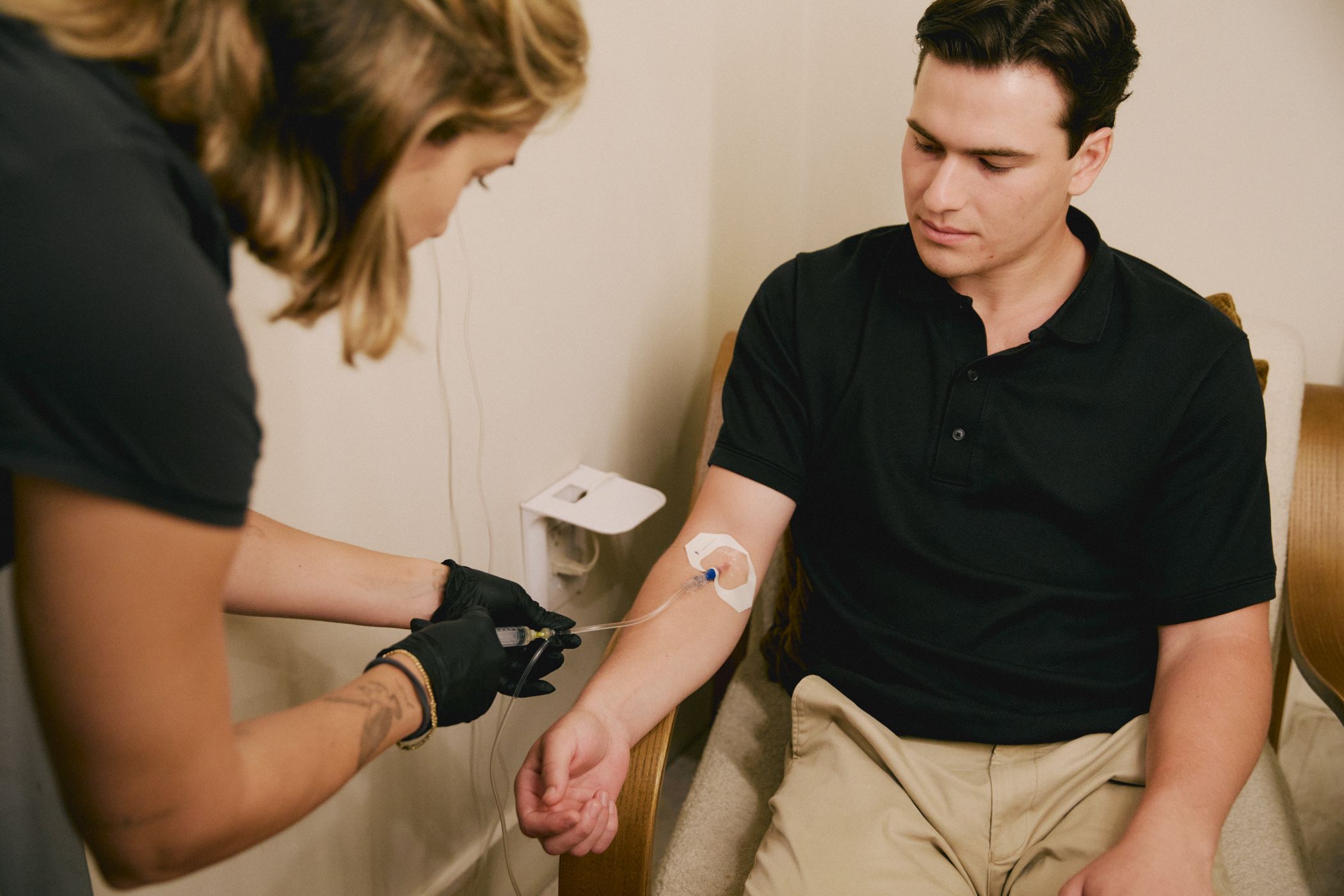
For many cases of acute diarrhea, drinking fluids and using an oral rehydration solution can replace lost fluids and electrolytes. If dehydration becomes severe, IV fluids may be needed instead.
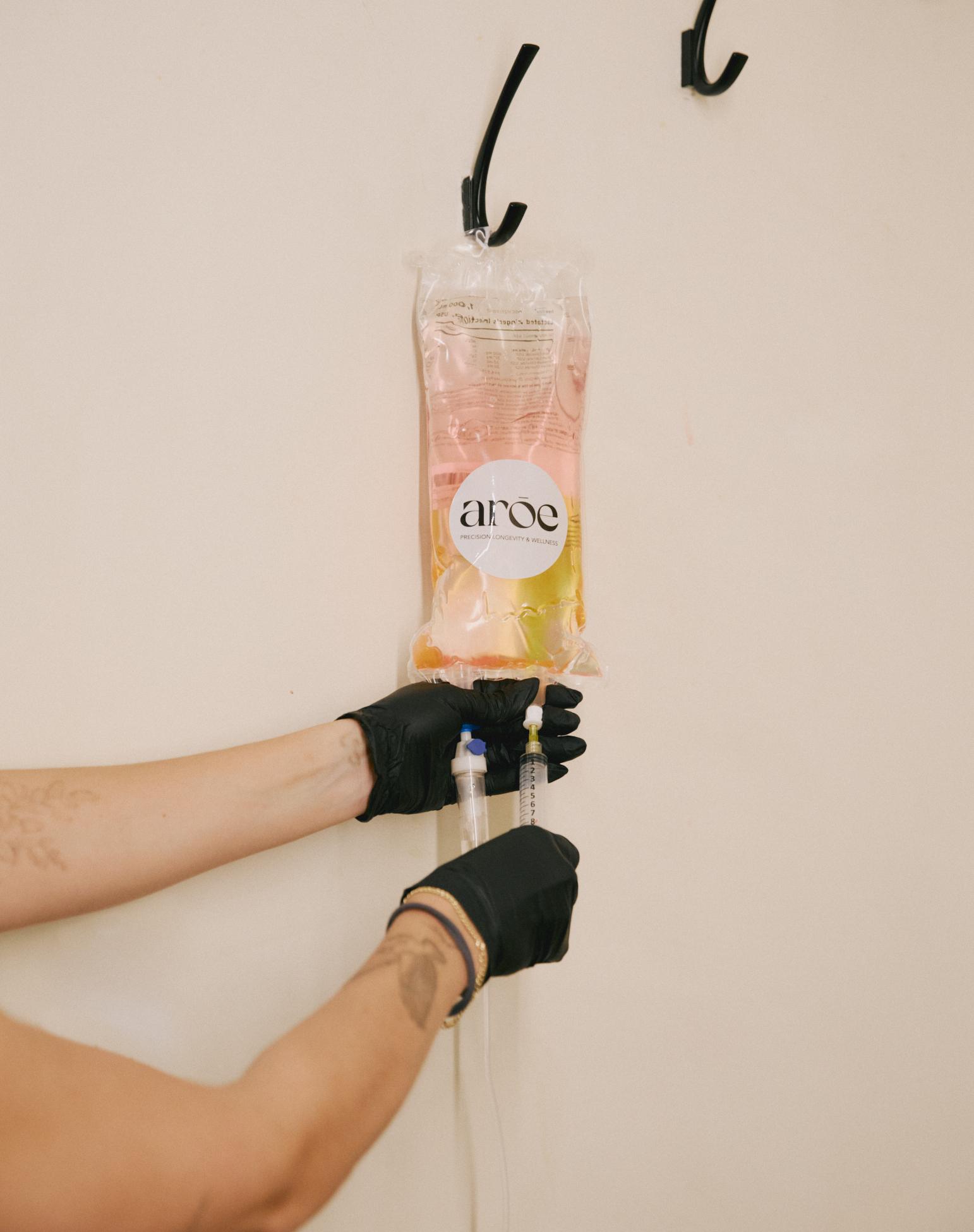
That's a different use of the same tool. IV fluids for severe dehydration are replacing something specific your body has lost: fluid and electrolytes. A nutrient IV used for broader gut-health or wellness goals serves a different purpose, and the evidence behind that kind of use isn't the same as it is for rehydration.
So the more useful question isn't simply whether an IV can help. It's whether what you're dealing with is primarily a fluid and electrolyte problem or if something else needs a closer look.
And sometimes that means looking beyond digestion alone.
Is gut health part of a bigger health picture?
Digestive symptoms don't always happen in isolation. Maybe the bloating started around the same time as a new medication, your symptoms seem to change around your period, or you've been unusually tired on top of everything else. Those things may or may not be connected, but seeing them together can give your clinician useful context.
If you're noticing several changes at once, it can be more helpful to look at the bigger picture than to treat each symptom as its own puzzle. Certain medicines, for example, can cause digestive symptoms, while people with IBS may notice their symptoms change during periods.
That doesn't mean every symptom starts in your gut. It means care shouldn't stay artificially narrow just because bloating or digestion was the first thing you noticed.
Arōe also offers diagnostic testing alongside IV therapy and other clinician-guided services. If something beyond digestion may be worth exploring, your clinician can decide whether testing or another part of your care could help clarify the next step.
Sometimes that wider view is what helps turn several separate concerns into a clearer picture of what deserves attention first.
When should you see a doctor about gut health?
Occasional digestive changes can happen. But if you've cut out gluten, then dairy, added a supplement, changed your routine, and you're still not sure what's actually helping, it may be time to stop troubleshooting on your own.
Persistent abdominal pain, ongoing bowel changes, frequent indigestion, or symptoms that keep making you restrict what you eat deserve more than another round of trial and error.
If diarrhea is part of what you're dealing with, some symptoms need care sooner rather than later. Frequent vomiting, severe abdominal pain, signs of dehydration, black or bloody stools, or diarrhea that lasts more than two days are among the symptoms that need medical attention.
The goal is to recognize when guessing has stopped being useful and getting a clearer answer would serve you better.
How Arōe approaches gut health support
By the time you reach that point, the question usually isn't "what else can I try?" It's "what actually makes sense for me?"
At Arōe Health, that starts with looking at the whole picture: what you've been experiencing, what has changed, what you've already tried, your health history, and anything else that may be relevant.
Depending on what you're dealing with, your clinician may recommend the Gut Health IV or another form of support. The goal isn't to chase every symptom with a different treatment. It's to understand what your body needs now and choose from there.
Our approach follows three steps:
- Assess: Your clinician reviews your symptoms, health history, what you've already tried, and other relevant information to understand the bigger picture.
- Design: From there, your clinician considers what kind of support actually fits rather than defaulting to the same protocol for everyone. That may include the Gut Health IV when appropriate.
- Support: Ongoing check-ins give your clinician a chance to see how you're responding and adjust the plan when needed.
If the Gut Health IV is part of that plan, your clinician can walk you through why it may fit, what it contains, and what to expect.
The useful part is that you don't have to decide beforehand whether you need a test, a probiotic, an IV, or something else. You can come in with what you've been experiencing, and your clinician can help you make sense of what deserves attention and what may not need another intervention at all.
If you've reached the point where you'd rather have someone look at the whole picture with you, request a consultation.
Start with the basics, then get more specific
Gut health doesn't need to become another full-time project. You don't have to perfect your microbiome, keep cutting foods out, or add a new supplement every time something feels off.
What matters is giving the basics a fair chance and paying attention to what changes. If the same symptoms keep coming back, or they start showing up alongside other changes in your health, that's when getting more context becomes more useful than trying one more thing on your own.
The goal is to understand what's affecting you, support what you can, and know when it's time to look a little closer.
Frequently asked questions (FAQs)
What is a seven-day gut reset?
A seven-day gut reset is not a standardized medical treatment or a proven way to reset your microbiome. There isn't one ideal microbiome to restore yourself to.
What a week can give you is a useful baseline: eat foods you tolerate, get enough fiber and fluids, keep meals relatively consistent, and notice what changes. Think of it as the start of a routine, not a reset button.
How long does it take to improve gut health?
The time it takes to improve gut health depends on what you're trying to improve and what's causing the problem. Increasing fiber, becoming more regular, recovering after an illness, and treating an underlying digestive condition can all follow very different timelines.
Look for changes in your symptoms, such as less bloating, more regular bowel movements, or less discomfort. If nothing improves, or your symptoms get worse, it may be time to look more closely at the cause.
Is coffee bad for gut health?
Coffee isn't necessarily bad for gut health. Some people tolerate it well, while others notice it triggers reflux, discomfort, or an urgent bowel movement. Coffee is commonly linked to reflux symptoms.
If coffee consistently seems to aggravate your symptoms, that pattern matters more than whether coffee appears on a universal "good" or "bad" gut-health list.
How can I support my gut after antibiotics?
You can support your gut after antibiotics by returning to a varied, fiber-rich diet as tolerated, staying hydrated, and giving your usual routine time to settle back in.
Antibiotics can change the gut microbiome, but that doesn't automatically mean you need a cleanse or probiotic afterward. If you do consider a probiotic, whether it helps depends on the specific formulation and what you're taking it for.
If you develop diarrhea after antibiotics, talk with a healthcare professional rather than assuming your microbiome simply needs rebuilding.
Editorial disclosure
Editorial content is general information, not medical advice, and is not intended to diagnose, treat, cure, or prevent any disease. Prescription treatments are available only where a licensed clinician determines they are appropriate. Eligibility varies by state.