

IV Vitamin Therapy Sep 30, 2026
IV vitamin therapy: The science behind it, and when to consider it.
IV vitamin therapy helps for some things and not others. See what the real evidence supports before you book, and what it can't actually do.
 Lauren HawkinsFounder & CEO · BSB, BSN, RN, CCRN
IV vitamin therapy: The science behind it, and when to consider it
Key takeaways
- IV vitamin therapy delivers fluids, electrolytes, and selected vitamins or minerals directly into a vein, bypassing the gut.
- The strongest use is specific: replacing fluids after significant dehydration, or delivering a nutrient when absorption is impaired or a deficiency is documented.
- IV vitamin therapy is genuinely useful for a specific set of real situations: dehydration, documented deficiency, and physical depletion from illness, training, or travel.
- Real risks exist: bruising, vein irritation, infection, and complications for people with kidney disease, heart failure, or G6PD deficiency.
Most people looking into IV vitamin therapy have a specific reason. Maybe you feel tired even after 9 hours of sleep, or you still haven't quite bounced back from the stomach bug 2 weeks ago, or you have a demanding week ahead and it's Sunday night and you're already running on reserve.
Somewhere between the challenges and your determination to push through one more day, an IV vitamin drip starts to feel like the answer.
What is IV vitamin therapy?
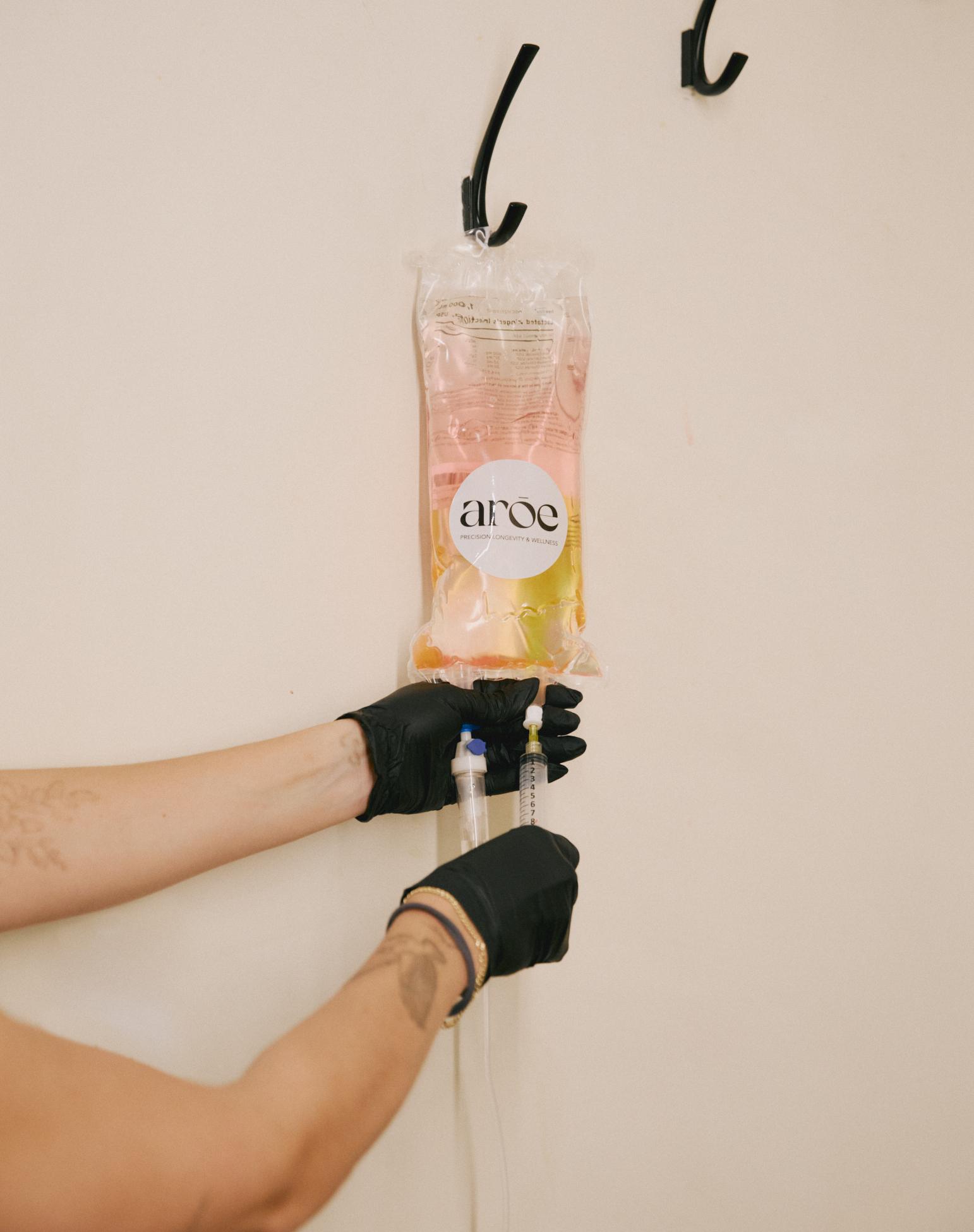
IV vitamin therapy is a medically-guided service that delivers intravenous vitamins, minerals, fluids, and other nutrients directly into a vein. It is also marketed as IV vitamins, a vitamin drip, or a wellness infusion.
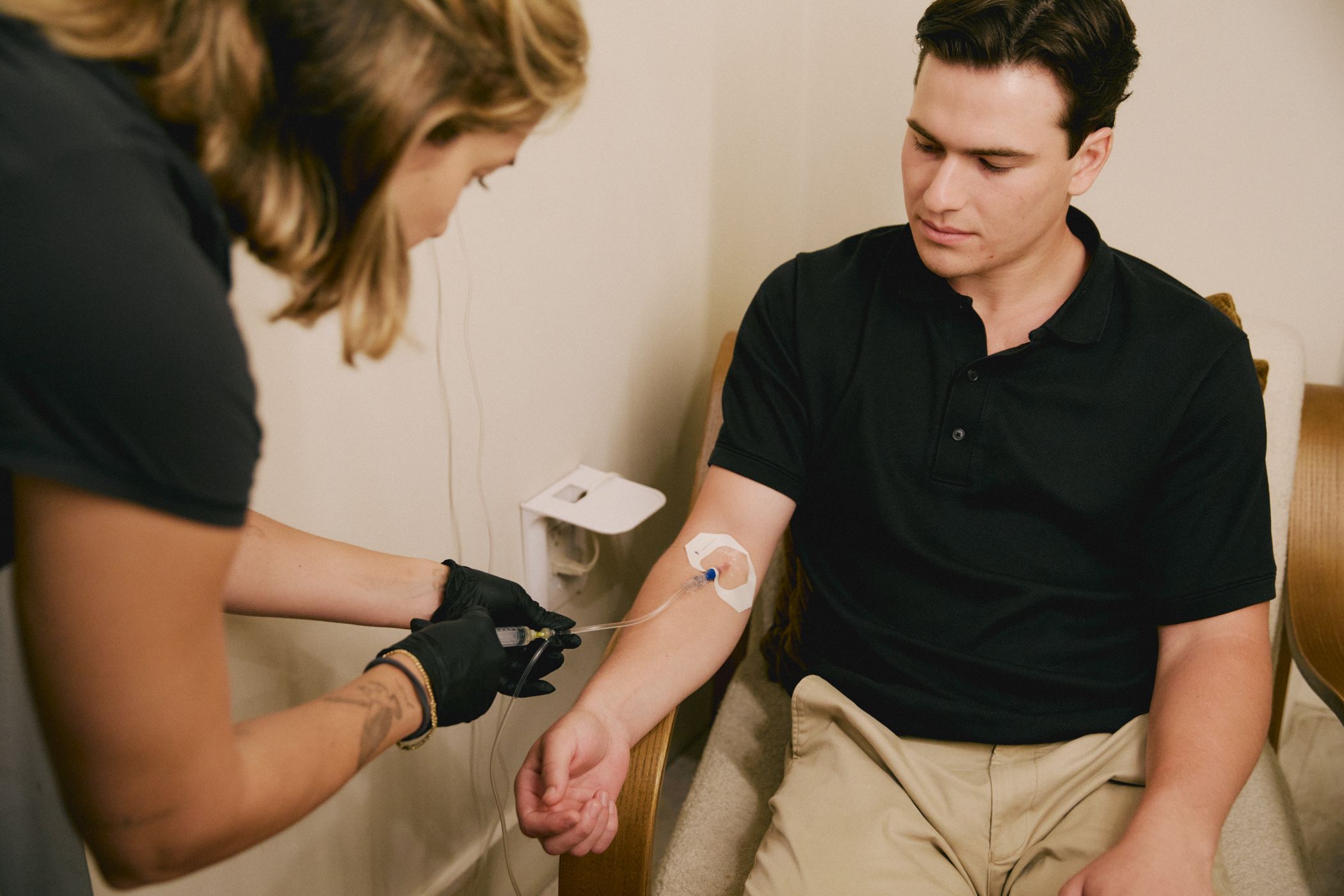
The session lasts 30 to 60 minutes, with a small catheter inserted in your arm or the back of your hand and a clinician or trained nurse close by the whole time.
Swallow a vitamin and it has to survive stomach acid, digestive enzymes, and a gut wall that only lets so much through at once. An IV skips all of that, which is why hospitals prefer this method after surgery, when someone can't keep water down, or when a condition like Crohn's keeps the gut from absorbing nutrients no matter how many pills someone takes.
Wellness-oriented IV vitamin therapy borrows that same route for lower-stakes moments: the day after a red-eye flight, the Saturday after back-to-back 12-hour days, the week before a race. The delivery method is established medicine. Whether your reason for being there actually benefits from it is worth asking before you book.
How does IV vitamin therapy work?
Once the catheter is in place, the infusion starts mixing into your bloodstream right away. What it offers depends on the contents:
- Fluids and electrolytes replace the sodium, potassium, and other salts your body loses through sweating, vomiting, diarrhea, or not drinking enough, faster than sipping water can manage on its own.
- Water-soluble vitamins, including vitamin C and B vitamins reach your bloodstream at levels oral intake can't match. Your gut tightly limits how much vitamin C you can absorb by mouth, but the IV route reaches concentrations swallowing can't touch, and B vitamins move through the same way, put to work almost as soon as they're in.
- Minerals such as magnesium and zinc can correct a real shortfall, easing symptoms tied to being low on either one.
- Amino acids supply the raw material for building protein, supporting recovery-focused formulas.
Regardless of what's in the IV treatment, your body can only take up and use so much at once. Past that point, more doesn't help, which is why it matters to know what you're actually low on and choose a treatment built around fixing that, rather than topping up something you already have enough of.
What is actually in an IV vitamin drip?
IV vitamin drips go by a lot of different names depending on where you book, but strip the branding away and most of them draw from the same short list of ingredients.
Component
What it is for
What to keep in mind
IV fluids (normal saline or lactated Ringer's)
Hydration and a carrier for everything else
The most straightforwardly useful part when you are actually volume-depleted
Electrolytes
Replace salts lost with fluid
Helpful in illness, heat, or poor intake; not a daily requirement for everyone
B Vitamins
Energy metabolism and neurological function
Strongest case when a deficiency or absorption problem is documented
Vitamin C
Antioxidant pathways; high plasma levels only via IV
Studied at high doses in specific medical settings, not as routine wellness
Magnesium
Muscle and nerve function; common dietary shortfall
Dose and kidney function matter
Zinc
Immune function when deficient
Limited evidence for routine use in people who aren't deficient
Amino acids
Protein building blocks
Adjunct at most, not a meal replacement
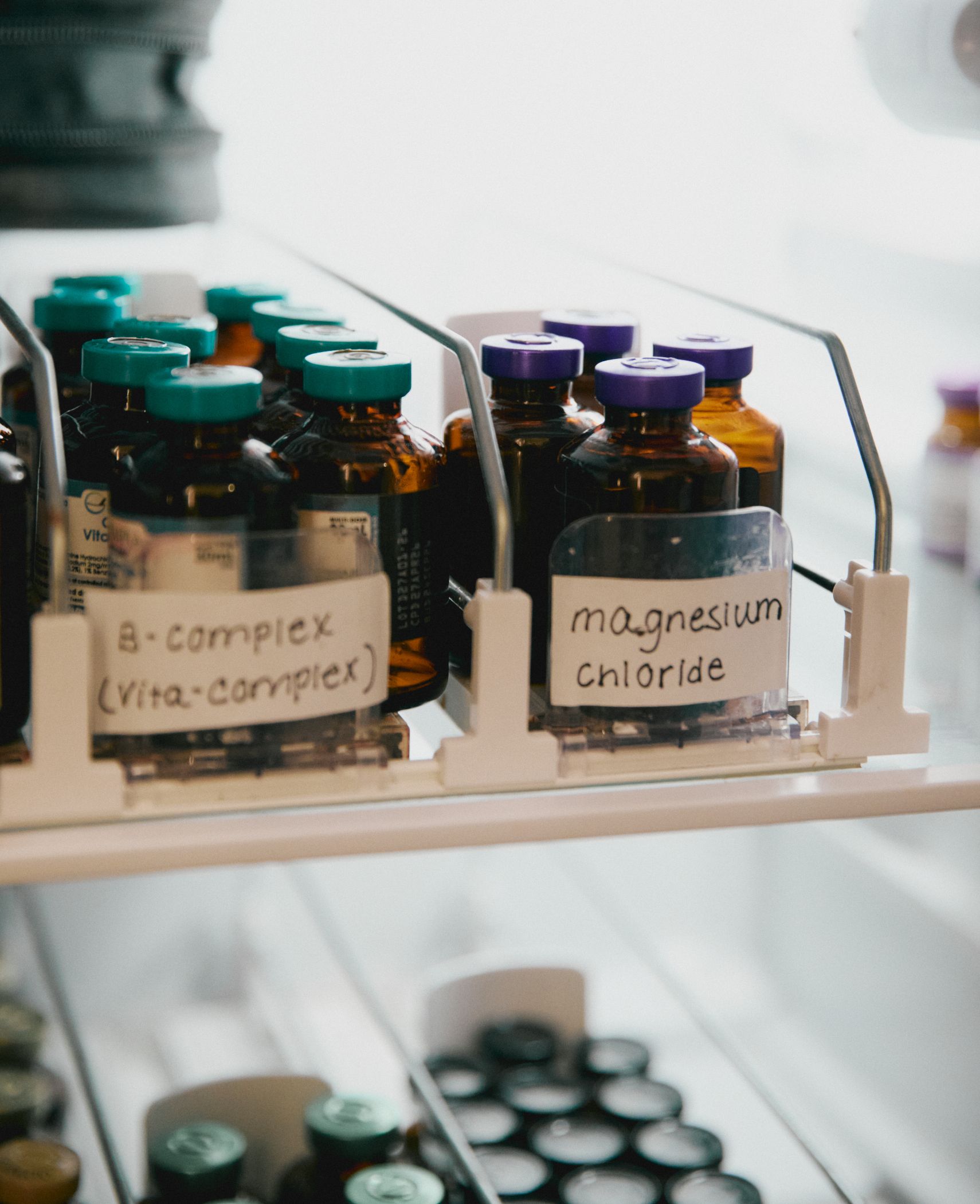
A Myers cocktail is one well-known example: typically vitamin C, B vitamins, magnesium, and sometimes calcium, though the exact mix varies by clinic.
Before you book, it's worth asking three things: what's actually in the bag, why those particular ingredients were chosen for you, and how the mix was prepared. A provider who answers plainly is doing this right. One who can't is worth reconsidering.
The situations IV vitamin therapy is built for
Behind every different name on a menu, IV vitamin therapy is really doing one of five jobs. Here's where yours probably fits.
- You've lost real fluid: Whether it's illness with vomiting or diarrhea, heavy sweating through an intense training block, or a rough night out, your body loses fluid and electrolytes the same way each time, and an IV puts them back directly instead of waiting on your gut to catch up.
- Your labs point to a gap: When a deficiency is confirmed, or a condition keeps your gut from absorbing what you take by mouth, the intravenous route earns its place.
- You're training for or recovering from something demanding: Before a race or a hard training block, or after one, hydration and key nutrients support the recovery your body's already trying to do.
- Travel has thrown off your routine: Dry cabin air, skipped meals, disrupted sleep, that's a real deficit, not just a feeling of being run down.
- You're preparing for or recovering from a procedure: With your surgeon's coordination, a clinician may use IV fluids to help you go in, and come out, properly hydrated.
What ties all five together is the same thing: a specific, physical reason the IV route helps.
The mechanism behind IV therapy
The intravenous route skips your gut's limits entirely, whether the gut just can't keep up in the moment, as with a rough night or sudden illness, or genuinely can't absorb what you take by mouth, as with a documented condition. Either way, it comes down to something a pill can't do.
Hangovers are the clearest everyday example. Alcohol is a diuretic, so it pulls more fluid out of you than a normal night would, and an IV can put that back, quickly. What it can't do is clear the alcohol out of your system faster or undo the rest of what a night of drinking did. The fix is real. Just smaller than the marketing implies.
Potential risks and trade-offs
Any IV can leave you with bruising or a sore vein, and in rare cases, an infection or an allergic reaction. Kidney disease or heart failure may rule an IV out for you entirely, since your body can't handle the extra fluid the way a healthy one can.
High-dose vitamin C carries its own risks worth knowing about. At very large or repeated doses, it's been linked to kidney damage from oxalate buildup and to breaking down red blood cells in people with G6PD deficiency, an inherited condition that changes how your body handles certain substances. That's precisely why a clinician should review your history and recommend treatments that are relevant to you.
When an IV vitamin drip is worth it, and when it's not
Everything above adds up to the same conclusion: IV vitamin infusion is a good fit for some situations and a poor one for most others.
Consider a clinician-guided infusion when:
- You've had prolonged vomiting, diarrhea, or poor intake and can't keep fluids down
- Labs or a known condition point to a deficiency or absorption problem
- You're recovering from illness or a procedure and oral intake is limited
- Hydration and electrolytes should be the actual goal, separate from whatever's really going on with your sleep, diet, or health
Consider other care first when:
- Your main issue is persistent fatigue, brain fog, or recurring illness and no one has reviewed labs, medications, sleep, or hormones
- You have kidney, heart, or liver disease and haven't been cleared
- You're pregnant, breastfeeding, or under 18, unless a clinician has specifically approved care
Skin, gut, energy, and recovery sit inside a bigger picture. Our guides on gut health and skin health start with daily habits and only then discuss where an IV vitamin treatment might fit.
What to expect during a visit
Knowing what to expect going in is half of feeling comfortable once you're there. Here's what to know before your first IV infusion session:
- Sessions run 30 to 60 minutes, seated the whole time.
- You might notice a cool feeling in your arm as the infusion starts. B vitamins can leave a faint metallic taste.
- Most people feel normal again within minutes of finishing. Some feel more hydrated. Some feel no different, which usually just means there wasn't much to correct in the first place.
How Arōe approaches IV vitamin therapy
Walk-in drip bars optimize for speed and a menu board. Arōe is built the other way: clinician-led care, a physical presence in SoHo, and mobile concierge when you need the same standard at home, a hotel, or an office. Here, a formula gets chosen for you, not picked off a board and hoped into fitting.
Assess, design, support
Care follows the same method we use across the practice:
- Assess: A clinician reviews what you're experiencing, your history, medications, and, when it would change the plan, diagnostic testing.
- Design: If an infusion fits, the formula is chosen for that picture. If it doesn't, we say so and point you toward what will actually help: oral rehydration, an injection, sleep and nutrition support, or another part of care.
- Support: Follow-up matters, because a single drip is a moment, and your health is an ongoing conversation.
What you'll find on the Arōe IV menu
Every clinic names its formulas differently. At Arōe, our current IV therapy offerings are grouped by what you're actually there for:
- Hydration and energy: Pick Me Up (fluids and electrolytes) and Energy Burst
- Recovery and appearance-focused hydration: Arōe Glow and Gut Health IV
- Training days: Game Prep, Pre Workout, and Muscle Recovery
- Travel: pre-travel and jet lag infusions
- Illness and hangover support: including Flu, Food Poisoning, Myers Cocktail, and Sunday Scaries
- Related clinician-guided infusions: NAD+ options and iron infusion when indicated
Exact contents, add-ons, and current in-clinic versus mobile pricing live on the IV therapy page and can change.
What a good IV membership actually gives you
If you're the kind of person who'll want this more than once, a membership can make sense, but only if it's built around you rather than a calendar. Before you commit to one, ask these few questions:
- Will a clinician actually look at your history each time, or just the first time?
- Does your schedule follow what your body needs, or a default the plan came with?
- If your needs change, can you change with it?
If the answer to all three is yes, you're paying for judgment and that's worth paying for.
You can find us in person at the SoHo flagship at 172 Prince Street, or come to you through mobile concierge in New York and select markets. If you're ready, book IV therapy directly, or start with a consultation if you're still deciding whether an IV is the right next step.
When to seek medical care instead of an IV lounge
Get urgent or emergency care for severe abdominal pain, high fever, fainting, chest pain, confusion, worsening dehydration, black or bloody stool, or an inability to keep fluids down.
Persistent fatigue, recurring infections, or digestive symptoms that keep coming back deserve a real workup too, one your doctor can run and an IV alone can't replace.
The right reason matters more than the right ingredients
Every claim in this piece comes down to one thing: was there a reason, specific to you, or just a name on a board that sounded right? That's the entire difference between a drip that helps and one that's just expensive water.
You don't need to become your own clinician to know the difference. You just need someone willing to ask before they mix the bag, and honest enough to tell you when the answer is no.
If that's the conversation you're after, explore IV therapy at Arōe or request mobile concierge care.
Frequently asked questions (FAQs):
Does IV vitamin therapy really work?
IV vitamin therapy works best when there's a specific reason to use the intravenous route: significant dehydration, a documented deficiency, trouble absorbing nutrients by mouth, or real physical depletion from travel, training, illness, or a night out. General claims about energy or immunity in someone who isn't deficient are the one place to stay a little more skeptical. Feeling better after fluids is common; that's not proof a named drip treats what's on its label.
What are the disadvantages of IV vitamin therapy?
The main disadvantages are cost, time, and procedure risks like bruising, vein irritation, and infection. Less common but more serious: allergic reactions, and complications for people with kidney disease, heart failure, or G6PD deficiency, an inherited condition that changes how the body handles certain substances. High doses of some nutrients, particularly vitamin C, don't automatically help and can cause real harm.
Are vitamin IV drips covered by insurance?
Most plans don't cover wellness-oriented IV vitamin therapy. Coverage is more plausible when an infusion is medically necessary for a diagnosed condition, and even then it depends on the plan. Confirm with your insurer.
What is a Myers cocktail?
A Myers cocktail is a clinic-prepared blend built around a handful of core nutrients, typically vitamin C, B vitamins, and magnesium, with calcium added at some clinics. It's designed as an all-around hydration and nutrient formula, one of the most requested options across IV therapy.
How often can you get IV vitamin therapy?
There's no universal schedule for IV vitamin therapy. Frequency should follow need, labs, kidney function, and what the last infusion actually changed, so a standing weekly drip without a documented reason is worth questioning.
What should I look for in an IV therapy membership?
Look for a clinician who reviews your history at every visit, not just the first; a cadence based on your labs and symptoms rather than a fixed schedule; and the flexibility to pause. A membership worth paying for buys you clinical judgment, and that's what should set the price.
Where can I get a custom IV vitamin drip?
Look for a setting where a licensed clinician reviews your history before the bag is mixed and will tell you when an IV isn't the right tool. At Arōe, custom-feeling care comes from that assessment, not a catchy name. Book at the SoHo flagship, or request mobile concierge where available.
Is a boutique lounge better than a mobile IV visit?
The room matters less than who's responsible for the infusion. Arōe applies the same clinical standards on mobile visits as in person at SoHo. Choose the format that fits your day; choose the provider based on assessment, sterility, and follow-up.
Editorial disclosure
Editorial content is general information, not medical advice, and is not intended to diagnose, treat, cure, or prevent any disease. Prescription treatments are available only where a licensed clinician determines they are appropriate. Eligibility varies by state.