

Hormone Replacement Therapy Oct 13, 2026
Horrible perimenopause symptoms: Why they happen and how to find relief.
Severe perimenopause symptoms affecting your daily life? Understand hormone therapy, other treatment options, and when to seek care.
 Lauren HawkinsFounder & CEO · BSB, BSN, RN, CCRN
Horrible perimenopause symptoms: Why they happen and how to find relief
Medically reviewed by Dr Tobi Ogundare, Medical Director, Board Certified MD
Key takeaways
- Severe perimenopause symptoms tend to cluster: broken sleep, mood changes, brain fog, unpredictable periods and joint pain.
- Severity varies with how erratic your hormone levels are, individual sensitivity, sleep loss, and any condition running alongside it.
- Hormone therapy is the most effective treatment for hot flashes, cutting them by about 75% on average. Nonhormonal options average between 20% and 60% effectiveness.
- Symptoms that affect daily life deserve assessment, and abnormal bleeding or other warning signs need it promptly.
One hot flash is a bad few minutes. Four a night, for a year, is sustained sleep loss that takes your mood, focus and patience with it. Severe perimenopause usually isn't one unbearable symptom. It's several manageable ones compounding until they aren't manageable.
Some women get a few mild symptoms. Others get many that are severe, and where you land has less to do with how well you're coping than with how erratically your hormones are swinging, and what else is going on alongside them.
What helps is separating which symptoms are hormonal, which are something else with overlapping signs, and which have treatments worth asking about. Hormone support options are one part of that, alongside nonhormonal prescriptions and lifestyle changes that make the day easier.
Perimenopause or menopause: where are you in the transition?
Perimenopause is the transition leading up to menopause, but it doesn't have a clear starting point. You may notice changes in your periods, sleep, or mood long before you recognize them as signs of perimenopause.
Menopause is confirmed when you've gone 12 consecutive months without a period. Until then, you may still be in perimenopause, even if your periods have become irregular or you've skipped several months.
Perimenopause typically begins in your 40s and can last two to eight years, though about four years is common for most women. During this time, your ovaries gradually produce less estrogen and progesterone, the hormones involved in regulating your reproductive cycle.
These hormonal changes aren't steady. Estrogen levels can rise and fall unpredictably, which helps explain why symptoms may be mild one month and more disruptive the next.
Why are perimenopause symptoms worse for some women?
Perimenopause affects every woman differently. Hot flashes and night sweats, known as vasomotor symptoms, affect nearly 80% of women during perimenopause and menopause. About half experience them daily, and symptoms can persist for seven to ten years. Yet their frequency and intensity vary considerably.
Several factors can influence how severe your symptoms become:
- Hormonal fluctuations: changes in estrogen and progesterone can affect temperature regulation, sleep, and mood. Some women are more sensitive to these changes than others.
- Individual sensitivity: a history of menstrual migraines, significant PMS, or hormone-related mood changes may make you more susceptible to certain symptoms during perimenopause.
- Sleep disruption: night sweats and insomnia can leave you exhausted, making mood changes, pain, and difficulty concentrating harder to manage.
- Underlying health conditions: thyroid disorders, iron deficiency, anxiety, and depression can cause similar symptoms or make existing ones worse.
These factors can overlap, making it difficult to identify what's contributing to your symptoms. Hormone levels alone don't reliably indicate how severe your experience will be, which is why a clinical assessment considers your symptoms, menstrual history, and overall health.
What are the most common and severe perimenopause symptoms?
Hot flashes and irregular periods are familiar signs of perimenopause. But hormonal changes can also affect how well you sleep, how you feel emotionally, your ability to concentrate, and even your joints and skin.
Some changes are subtle. Others can be severe enough to disrupt daily life, including symptoms you might not immediately associate with perimenopause.
Why are hot flashes and night sweats so intense?
Hot flashes can come on suddenly, bringing a rush of heat, sweating, flushed skin, or a racing heartbeat. Some last only a few minutes, while others recur throughout the day.
This happens because changes in estrogen affect your brain's temperature control. As your body becomes more sensitive to small temperature shifts, it can trigger a hot flash even when you're not particularly warm.
Night sweats can interrupt your sleep in several ways:
- Waking repeatedly throughout the night
- Difficulty falling back asleep
- Fatigue that carries into the next day
- Trouble concentrating or increased irritability
You may also experience insomnia without night sweats. Persistent sleep problems are worth addressing, especially when they affect your daily life.
Can perimenopause cause severe anxiety and mood swings?
Yes, and these changes can appear even if you've never experienced anxiety or depression before.
Estrogen influences brain systems involved in mood regulation. As hormone levels fluctuate, you may notice changes in how you respond to stress or manage your emotions.
These can include:
- Feeling anxious or unusually on edge
- Becoming irritable more easily
- Experiencing low mood or losing interest in things you usually enjoy
- Feeling overwhelmed by situations you previously handled comfortably
- Noticing more intense or unpredictable PMS symptoms
Perimenopause may contribute to these changes, but persistent anxiety or depression can also occur independently and may need their own treatment.
Why does perimenopause cause brain fog?
Forgetting a familiar word, losing your train of thought, or struggling to concentrate can be frustrating, especially when these changes seem to appear without an obvious reason.
Brain fog is commonly reported during perimenopause, although researchers are still working to understand exactly why it happens.
Women who report memory and concentration difficulties don't always show corresponding changes on cognitive assessments. Research also suggests that mood and psychological well-being may influence how these difficulties are experienced.
Difficulty concentrating doesn't automatically mean your memory is declining. Sleep quality, mood, and other aspects of your health deserve consideration, too.
Persistent or worsening cognitive difficulties should be evaluated to investigate other possible causes.
Are heavy or irregular periods a sign of perimenopause?
Often, yes. Changes to your menstrual cycle can begin years before menopause.
As ovulation becomes less predictable, your periods may change in timing, duration, or flow. You might notice:
- Periods arriving earlier or later than expected
- Heavier or lighter bleeding than you're used to
- Skipping a period, then having one unexpectedly
- Changes in cramps or breast tenderness
Some variation is expected during perimenopause, but unusually heavy bleeding, bleeding between periods, or bleeding after sex should be checked. Fibroids, polyps, and other conditions can cause similar changes.
Why do vaginal dryness and urinary symptoms develop?
Declining estrogen can affect vaginal and urinary tissues, sometimes well before your periods stop. These changes are known as genitourinary syndrome of menopause (GSM).
You may notice dryness, irritation, or pain or discomfort during sex. Some women also experience urinary urgency, more frequent urination, or recurring urinary tract infections.
These symptoms are worth raising at an appointment, even if they seem unrelated to your other symptoms. Several treatments are recommended, and you don't have to wait for discomfort to become severe before discussing your options.
What are the lesser-known symptoms of perimenopause?
Other symptoms can be harder to recognize because they aren't usually associated with hormonal changes.
Symptom
What you might notice
Joint pain and stiffness
Aching or stiffness in your hands, knees, or hips
Headaches and migraines
More frequent headaches or changes in your usual migraine patterns
Heart palpitations
A fluttering, pounding, or skipped-beat sensation
Dry eyes
Increased dryness, irritation, or sensitivity
Skin and hair changes
Drier skin, changes in hair texture, or increased thinning
Reduced libido
Changes in sexual desire or response
Fatigue
Feeling tired more often, even after a full night's sleep
Some of these symptoms have a clearer connection to perimenopause than others, and many can have unrelated causes. If a symptom is new, persistent, or troublesome, it's worth discussing with a clinician rather than assuming it's hormonal.
How can you get relief from horrible perimenopause symptoms?
There's no single treatment that works for every perimenopause symptom. What helps with hot flashes may be different from what helps with anxiety, heavy periods, or vaginal dryness. Your medical history and the severity of your symptoms also matter.
There are several ways to find relief, from everyday adjustments to prescription treatments. The right approach starts with understanding what's causing your symptoms and which ones need the most attention.
Small changes that can make everyday life easier
Some simple adjustments can help you sleep better, manage stress, and feel more comfortable, even if they don't address the hormonal changes themselves.
- For night sweats: Keep your bedroom cool and choose light, breathable bedding.
- For better sleep: Stick to consistent sleep and wake times, and avoid caffeine late in the day if it affects your rest.
- For mood and stress: Regular movement, spending time with people you enjoy, and relaxation techniques can help support your emotional well-being.
- For joint discomfort: Gentle exercise and strength training can support mobility and bone health.
- For vaginal dryness: Over-the-counter vaginal moisturizers and lubricants may ease discomfort.
These changes can help, but they may not be enough when symptoms are severe or persistent. That's when medical treatment may offer more meaningful relief.
Could hormone replacement therapy help?
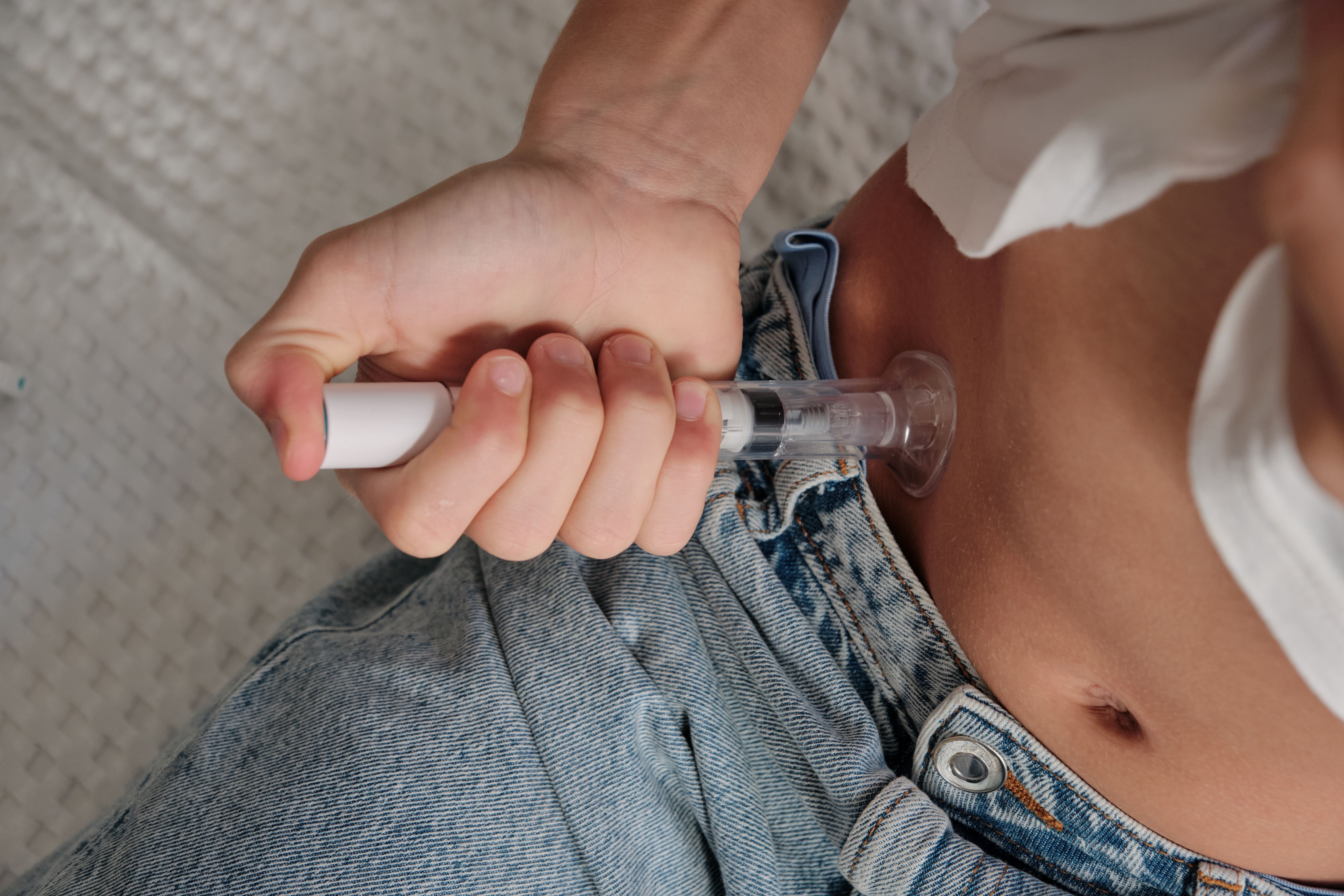
Hormone replacement therapy (HRT), also called menopausal hormone therapy, is the most effective treatment for hot flashes and night sweats, reducing them by about 75% on average.
Treatment usually means taking estrogen. If you still have your uterus, you'll take a progestogen alongside it, a form of progesterone that protects the uterine lining. HRT may also help improve sleep when night sweats are causing frequent awakenings.
However, hormone therapy isn't appropriate for everyone. For women under 60, or within 10 years of menopause onset and without contraindications, the benefits outweigh the risks. Your clinician will consider your age, medical history, and any conditions that could make treatment unsuitable, including estrogen-sensitive cancers, blood clots, stroke, coronary artery disease, active liver disease, uncontrolled hypertension, or unexplained vaginal bleeding.
You don't need to wait until your periods stop to discuss HRT. A clinician can help you understand whether it's an appropriate option and what the potential benefits and risks mean for your health.
What if hormone therapy isn't right for you?
Several nonhormonal prescription treatments can reduce hot flashes and night sweats, improving symptoms by roughly 20% to 60% depending on the option.
Some may also help when mood symptoms occur alongside perimenopause. Cognitive behavioral therapy (CBT), particularly approaches designed for menopause, can help women manage sleep difficulties and the distress associated with hot flashes.
Which treatment options fit depends on the symptoms you're experiencing, your medical history, and your treatment preferences. A clinician can help you weigh the alternatives.
Do supplements help with severe perimenopause symptoms?
Supplements such as soy, black cohosh, and herbal blends are widely marketed for menopause relief. But the evidence is limited, and many haven't been studied well enough to establish whether they reliably improve symptoms.
Supplements are also regulated differently from prescription medications. The FDA doesn't approve dietary supplements for safety and effectiveness before they're sold, so product quality and ingredient accuracy deserve attention.
Some supplements can be useful when you have a diagnosed nutritional deficiency. However, they can also interact with medications or be unsuitable for certain health conditions.
Before adding one to your routine, talk with a clinician about whether it's appropriate for you and what evidence supports its use.
When should you see a health care provider?
You don't have to wait until your symptoms become severe or your periods stop to seek help. If perimenopause is affecting your sleep, mood, or daily life, a conversation with your health care provider can help you understand what's happening and explore your options.
Consider making an appointment if:
- Hot flashes or night sweats regularly interrupt your sleep
- Anxiety, low mood, or irritability interferes with your work or relationships
- Fatigue or brain fog makes daily responsibilities difficult
- Your periods become unusually heavy, prolonged, or unpredictable
- Vaginal discomfort or urinary symptoms persist
- You notice symptoms associated with perimenopause before age 45, particularly if your periods become irregular or stop
Some symptoms need more immediate attention. Seek emergency care for chest pain, fainting, severe shortness of breath, or heavy bleeding accompanied by dizziness or weakness. Bleeding after 12 consecutive months without a period is not normal and needs prompt medical assessment.
What should you track before your appointment?
A symptom record from the past few weeks can help your clinician identify patterns. It may be useful to note:
- Periods: Dates, duration, heaviness, and any spotting between periods
- Hot flashes: Frequency, severity, timing, and episodes during the night
- Sleep: Hours slept, nighttime awakenings, and daytime fatigue
- Mood and concentration: Anxiety, low mood, irritability, or difficulty focusing
- Other symptoms: Headaches, joint pain, palpitations, or vaginal discomfort
- Daily impact: How symptoms affect your work, activities, or daily routine
Bring a list of any medications or supplements you take, along with relevant medical conditions and treatments you've already tried, whether you're seeing your usual provider or a menopause specialist.
Do you need hormone testing to diagnose perimenopause?
Usually not. For otherwise healthy women over 45, perimenopause can generally be assessed through your symptoms, menstrual history, and age, so hormone testing is rarely needed to confirm it.
Testing may be helpful if you're under 45 and experiencing changes in menstrual bleeding, particularly before age 40, when a clinician may need to investigate early or premature menopause. Other blood tests may help rule out conditions such as thyroid disorders or anemia that can cause similar symptoms.
How Arōe Health supports women through perimenopause
Perimenopause can last several years, and your care needs may change along the way. At Arōe Health, we take the time to understand your health, develop an individualized plan, and adjust it as your needs evolve.
Our Assess → Design → Support approach brings that continuity into every stage of your care:
- Assess: We begin by understanding your symptoms, medical history, and goals. A clinician may recommend testing where it can help guide your care.
- Design: A licensed clinician reviews your information and recommends an approach based on your health needs, including prescription treatment where appropriate.
- Support: Care continues beyond the initial assessment, with follow-up and adjustments as your symptoms and needs change.
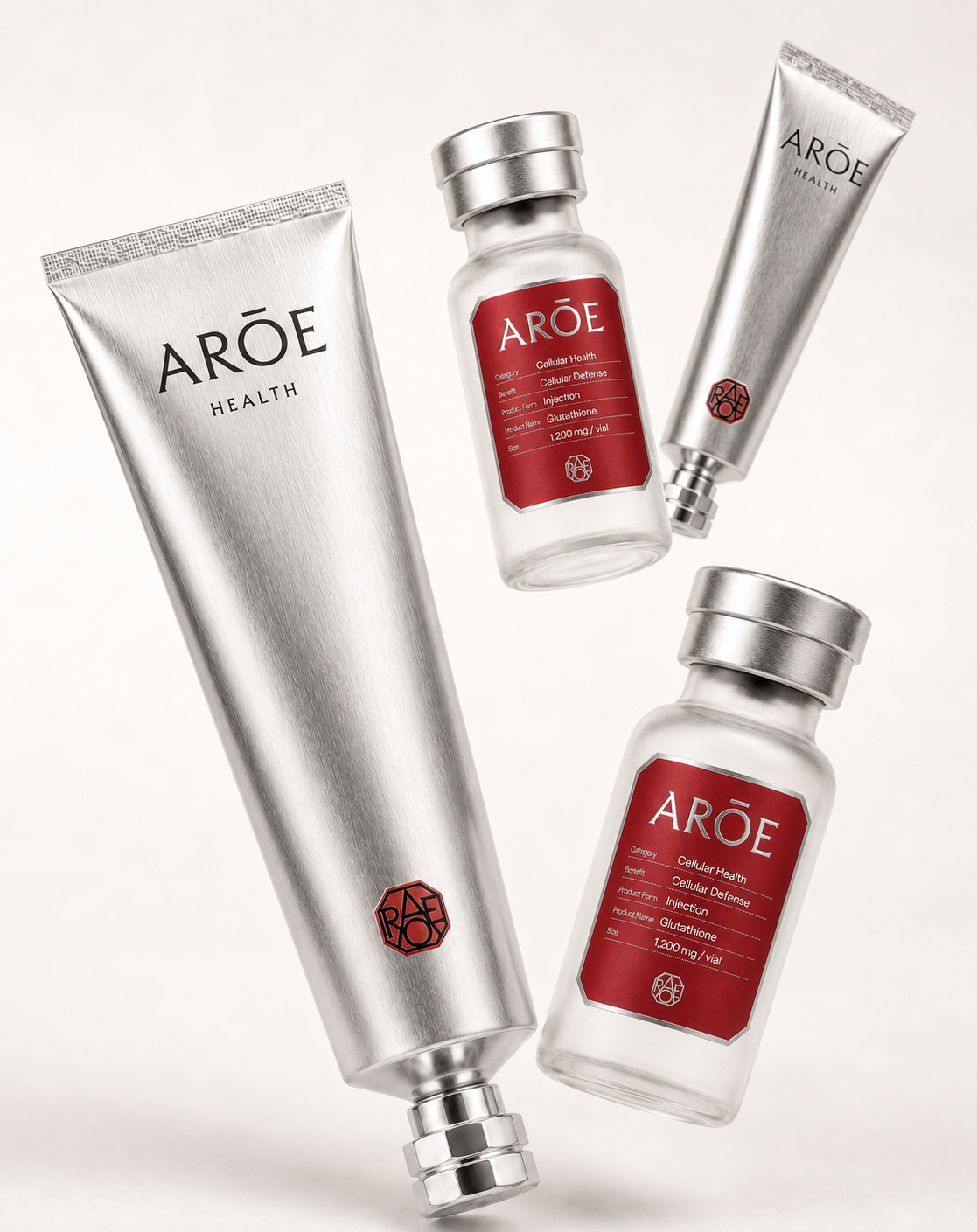
For women considering treatment, Arōe offers Women's Hormone Support (HRT), which includes clinician-prescribed hormone treatments such as estradiol and progesterone, where appropriate.
Founded by Lauren Hawkins, RN, a practicing clinician, Arōe has cared for more than 3,000 patients over two-plus years. Alongside our SoHo clinic, we offer telehealth services where available and clinically appropriate.
How our care works explains the initial intake, clinician review, and what happens next.
You don't have to wait until symptoms become unbearable
Perimenopause symptoms don't have to be severe to deserve attention. If changes in your sleep, mood, or energy are affecting your daily life, it's worth finding out what's behind them and what could help.
You can start with what you've already noticed, whether you've been tracking your symptoms or not. Begin your assessment with Arōe Health, where a licensed clinician will review your information and recommend appropriate next steps.
Frequently asked questions (FAQs)
At what age are perimenopause symptoms the worst?
Perimenopause symptoms often become more severe during the later stages of the transition, although there's no fixed age when they peak. A study of US women found that the overall impact of symptoms was highest among women aged 51–55. Some symptoms, particularly hot flashes and night sweats, can remain troublesome after menopause.
What are the 34 symptoms of perimenopause?
The commonly cited 34 symptoms of perimenopause aren't an official medical checklist. Symptoms can include irregular or heavy periods, hot flashes, night sweats, sleep problems, anxiety, mood swings, brain fog, vaginal dryness, joint pain, headaches, heart palpitations, dry eyes, hair thinning, and reduced libido. Not everyone experiences the same symptoms or severity.
Can you still get pregnant during perimenopause?
Yes, you can still get pregnant during perimenopause because ovulation can continue, although it becomes less predictable. Hormone replacement therapy (HRT) doesn't prevent pregnancy, so discuss contraception with your clinician. How long you need it depends on your age, menstrual history, and contraceptive method.
Editorial disclosure
Editorial content is general information, not medical advice, and is not intended to diagnose, treat, cure, or prevent any disease. Prescription treatments are available only where a licensed clinician determines they are appropriate. Eligibility varies by state.